
Hardly more than a week ago, scientists confirmed the existence of a potentially habitable planet, and its name is Proxima B. This slightly-larger-than-Earth planet was first detected back in 2013, but the signs were not convincing. Since then, scientist Guillem Anglada-Escudé and organizations such as the European Southern Observatory have been working to find stronger evidence of Proxima B's existence.
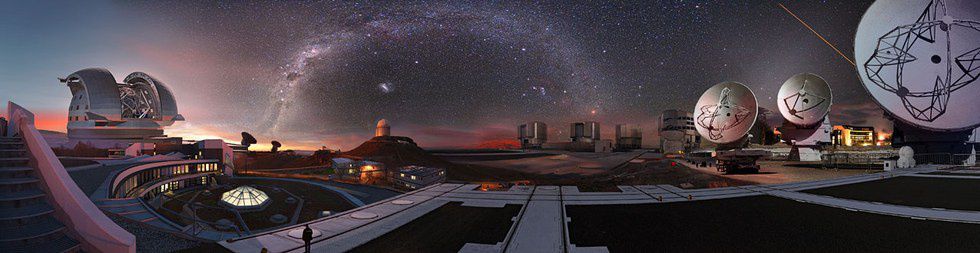
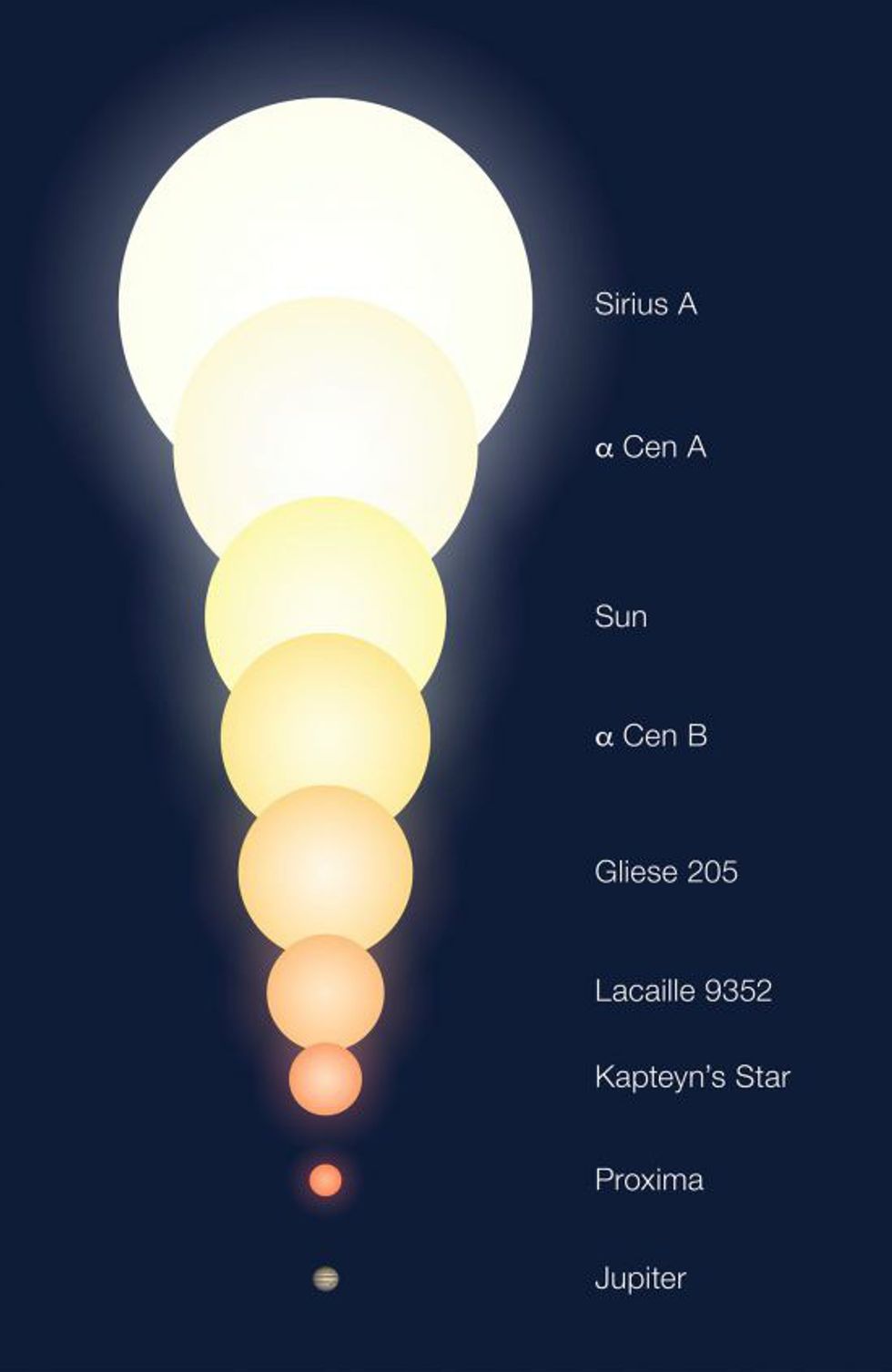
Proxima B is a planet in the next star system over, located smack in the middle of the star Proxima Centauri's habitable zone, meaning there's possibility for water to exist on it. However, it's only a possibility -- there are no definite promises of water... yet. The Pale Red Dot campaign has been striving to find an Earth-like planet near the closest star to our sun, Proxima Centauri. While Proxima B is only 5% of the Earth's distance to our sun, Proxima Centauri is .1% as bright as our sun, and only 12% of the mass. In other words, Proxima B's habitable zone is 25 times closer to its red dwarf parent than our Earth is to the sun!
While a year for us is 365 days, a year on Proxima B is only 11.2 days. One of the biggest indicators of Proxima B's existence was the fact that, at times, Proxima Centauri was moving towards Earth at about 5km (3 mph), and at other times, it was receding away from Earth at the same pace. This back-and-forth shift is usually an indicator of an unseen object -- in this case, a planet that is in mutual orbit with a star. The Pale Red Dot campaign was launched for the sole purpose of attempting to find a planet for Proxima Centauri. Their research found that Proxima B is about 1.3 times Earth's size and is 4 light years away from our own solar system. This means it would take about four decades for astronauts to reach it.
Due to the possibility for liquid to exist on Proxima B and its relation to Proxima Centauri, it has become a shining ray of hope in the science community for extraterrestrial life. Let's just hope they're friendly!