
At first look, most would not think twice about it, but the majority of Pixar films follow a strong male-lead. Taking a deeper look into the story lines of each movie, as well as the process for how each one is made reveals this. In an article written by Time Magazine, writer Joel Stein, he states that Pixar has a girl problem. Most notably he says, “Until I visited Pixar’s offices, I did not know that 12-year-old boys were allowed to run major corporations” (Stein 37). Up until recently, all Pixar feature films followed the same type of pattern or story-line. Not only could this connect all the feature films into the same universe and timeline, but it also reveals how similar each male-leads story is to one another. Pixar does not give the same respect for women as they do men. Even when they finally took a step in the right direction with the movie Brave, they still struggled accepting the change. This article will cover these topics and delve into Pixar’s girl problem.
Now the story of Pixar dates back to its founding in 1986. George Lucas first founded Lucasfilm, and in 1979 he brought Ed Catmull from the New York Institute of Technology to head Lucasfilm’s Computer Division. This part of the company had the responsibility of developing state-of-the-art computer technology for the film industry. In 1984, they presented a version of “The Adventures of André & Wally B.” at the Special Interest Group on GRAPHICS, or SIGGRAPH conference. This first short film used the most innovative technology at the time, such as complex flexible characters, hand-painted textures and motion blur. Following this presentation, Steve Jobs bought the Computer Graphics Division from George Lucas in 1986, and established it as an independent company which is now known as Pixar.
In an article published by the Journal of Popular Film and Television(JPF&T), Ken Gillam and Shannon R. Wooden talk about a “rather progressive post-feminist model of gender” (Gillam, Wooden 2), in Pixar films. The article focuses on this with a close look at three of Pixar’s feature films, Cars, Toy Story and The Incredibles. In the abstract of this study, Gillam and Wooden claim:
Pixar consistently promotes a new model of masculinity. From the revelation of the alpha male’s flaws, including acute loneliness and vulnerability, to figurative emasculation through even the slightest dis-empowerment, each character travels through a significant homo-social relationship and ultimately matures into an acceptance of his more traditionally “feminine” aspects. (Gillam, Wooden 2).
Although each of the films has a strong male-lead, each said male-lead ends up appealing to their feminine side. They all have some sort of flaw that causes them to not reach their goal. And in order for them to be successful, they must, as Gillam and Wooden point out, accept their more traditionally “feminine” aspects. In addition to each male-lead maturing into acceptance of their more feminine aspects, they each have a sidekick, who also is male, by their side from the beginning to the end of the adventure.
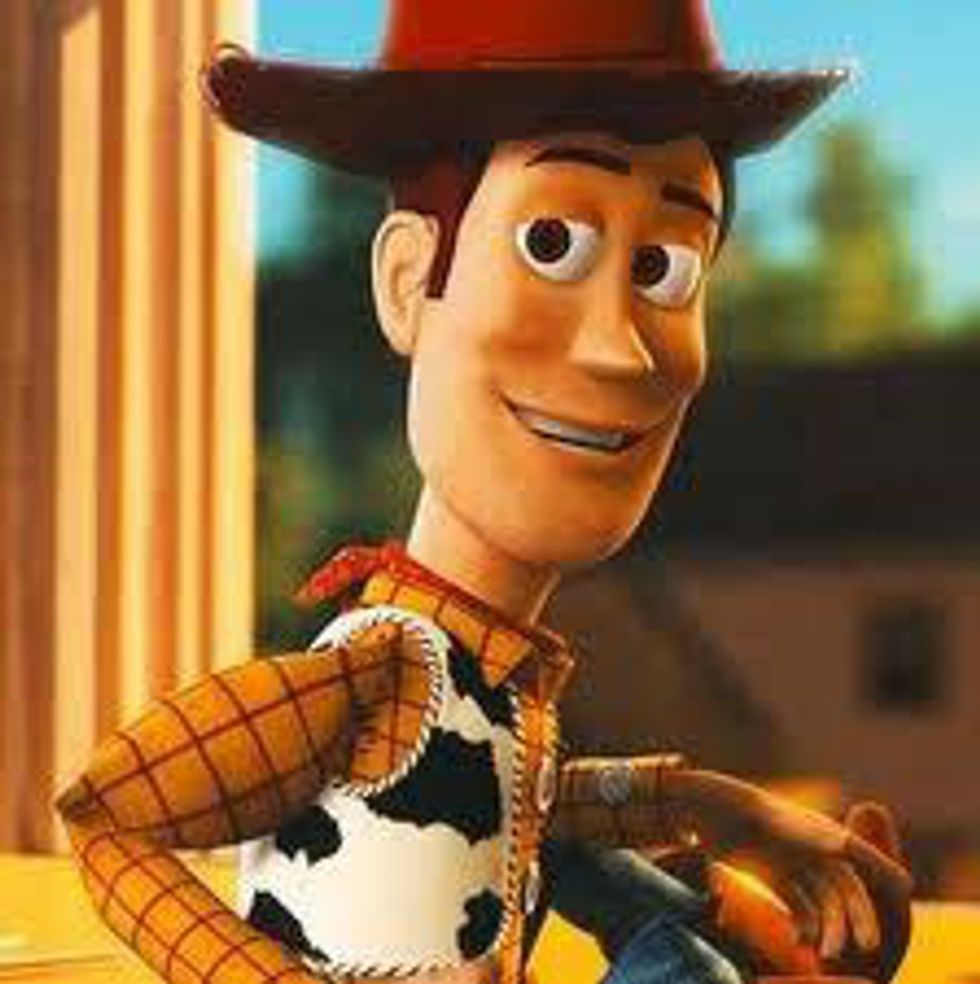
When taking a look at Pixar movies, the male-leads “are actual protagonists; their characters develop and change over the course of the film, [which renders] the plot” (Gillam, Wooden 3). For characters like Buzz Lightyear, Woody, Mr. Incredible and Lightning McQueen, they strive for an alpha-male identity. But it is not only prevalent for these few, it also appears in Monsters Inc., Ratatouille. In Pixar’s first feature-length film, Toy Story, Buzz makes his debut as the new toy in the house. Woody tries to assert his dominance by telling him that Andy’s bed is his spot. When all the other toys appear in this scene and start questioning him, Buzz delivers his programmed spiel:
"BUZZ LIGHTYEAR here, I am stationed in the Gamma Quadrant of sector 4. As a member of the elite Universe Protection Unit of the SPACE RANGER Corps, I protect the galaxy from the threat of invasion from the Evil Emperor Zurg, sworn enemy of the Galactic Alliance." (Toy Story)

It is clear to see that Buzz is a programmed alpha-male. He has the desire to protect the universe and is very confident in his ability to do so. Regardless of that, the competition and struggle for power between Buzz and Woody to be Andy’s “favorite toy” prove their alpha-male desires. They also are trying to “possess the admiration of and authority over the other toys in [Andy’s bedroom]” (Gillam, Wooden 4). Woody exquisitely and effortlessly attempts to emasculate Buzz at the first chance he gets. He plants a seed that eventually makes Buzz realize that he is not an actual SPACE RANGER, but just a toy. Similarly, in Monsters Inc., James P. Sullivan otherwise known as Sulley, is in constant competition with Randall Boggs to be the top Monster on the Scare Floor.
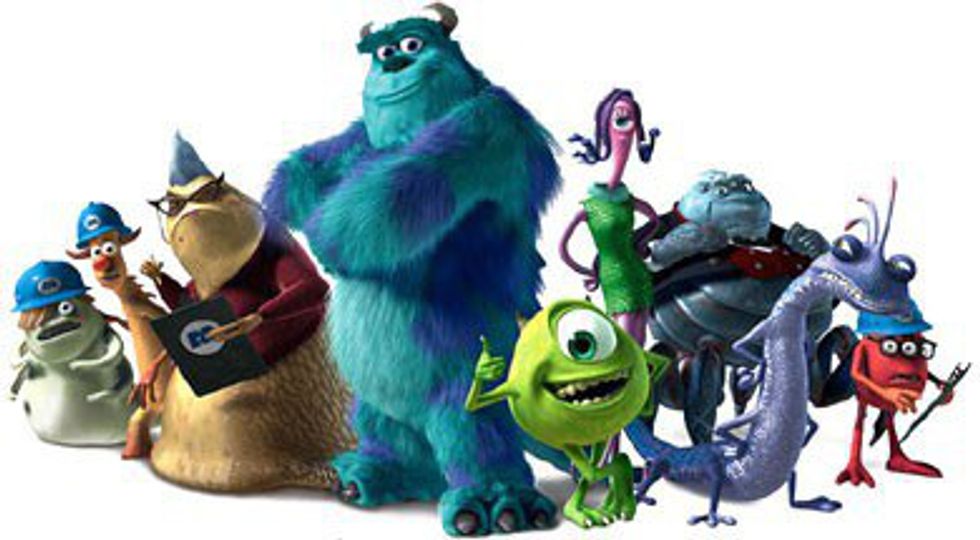
But this rivalry is born in Monsters University. Sulley and Randall have been competing arch-enemies since college. In addition, Sulley meets Mike Wazowski, his sidekick, in the college based movie. Also, in Ratatouille, Alfredo Linguini is a struggling cook in Paris, France. Remy the rat, his sidekick, helps him improve his cooking in the quest to get a Five-Star rating for Gusteau’s. All the while, he competes to be the top cook against Skinner. These are all related because each male-lead has a sidekick and a rival that progresses the story line and help him achieve the happy ending.
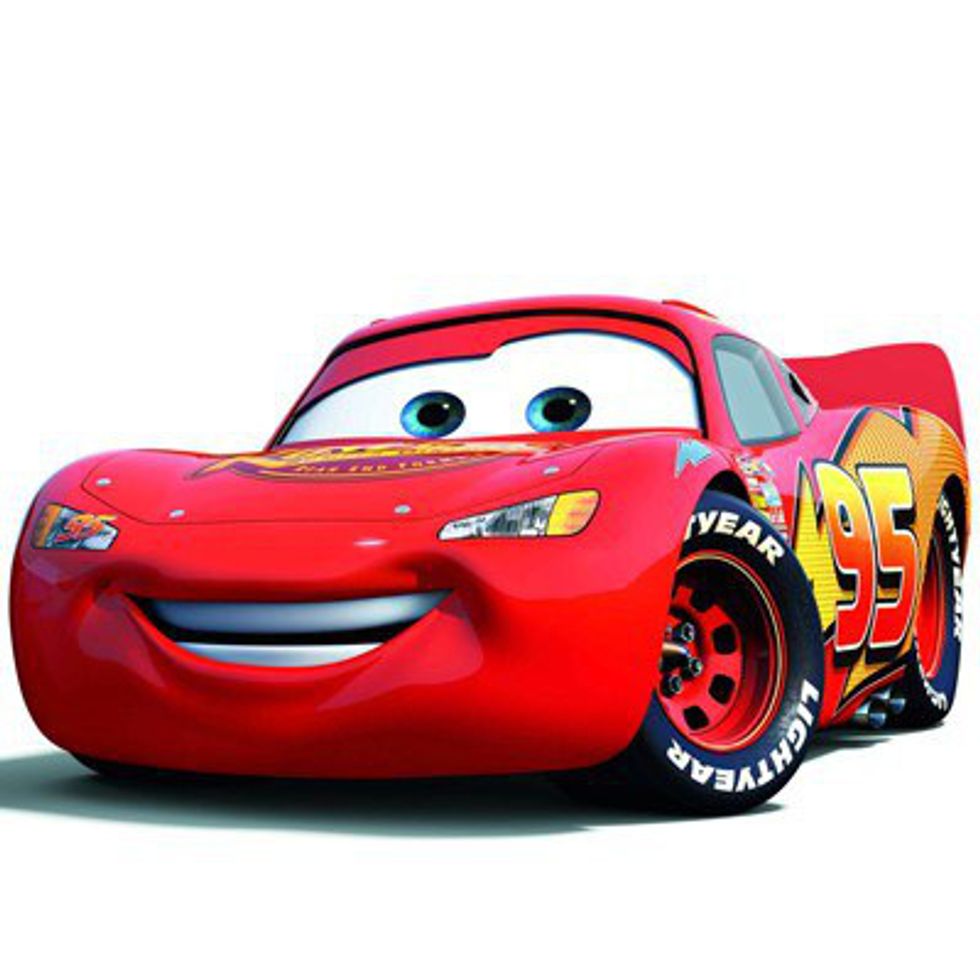
Similarly, in Cars, there is a competition between the top race cars to be the alpha-male. In the opening scene, Lightning McQueen states, “Speed. I am speed… I eat losers for breakfast” (Cars). That is the first line of dialogue in the movie, and it shows his intent and aggressive competitive style. Lightning McQueen, translated Lighting the Queen, is only second to Strip “The King” Weathers. Strip, number 43, is also the one who always beats Chick Hicks, number 86. Ironically enough, their race numbers identify Strip as 1, and Chick as 2. Where 43 is 1 and 86 is 2 because 1+1=2 and 43+43=86. Coincidence? I think not!
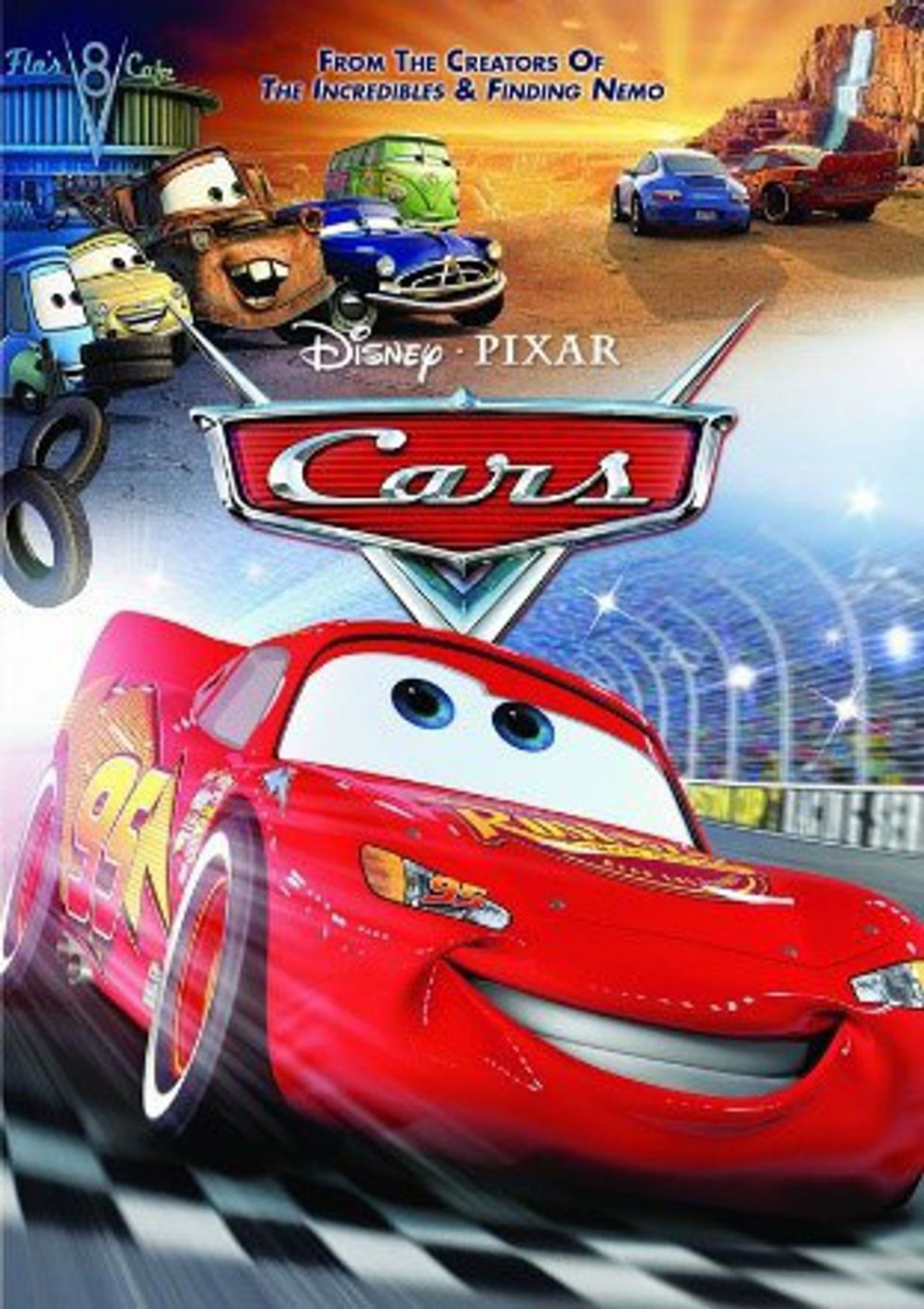
This was intentionally put into the movie. It further establishes Strip as the top dog, the legend, whereas Chick is always number two. In addition, Lighting McQueen’s name is consistent with his rookie status on the race track. Although he is fast, strong and dominant like lightning, he cannot easily win because of the experienced legend ahead of him. A closer look at McQueen reveals “his inability to name any friends… [and] both his isolation and attempts at stoicism” (Gillam, Wooden 4). This is yet another example in addition to the list of many alpha-male problems with McQueen. After the initial race, Lightning finds himself stuck in Radiator Springs serving community service because his lack of control over his physical power that destroys the road. His sidekick, Mater, is a local that helps him throughout the movie to get to the Piston Cup. This story line is also consistent with the other movies mentioned above. It is because Lightning has a sidekick, as well as a rival that helps push him towards achieving success and a happy ending.
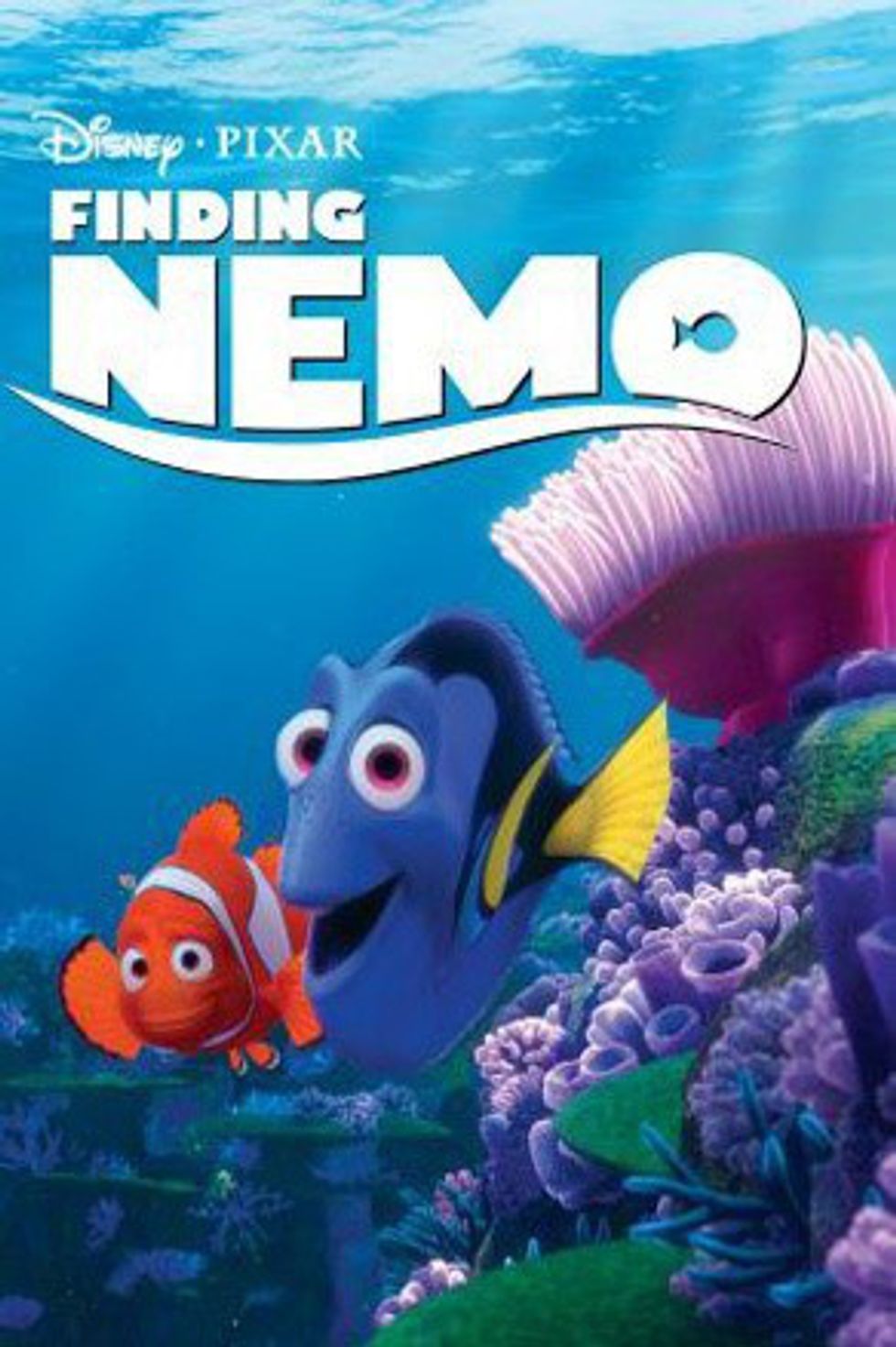
In the first 12 Pixar feature length films, not only Cars, there is some sort of “male bonding” (Ebrahim 44). A look back at the Toy Story series shows Woody and Buzz progressively shift from Finding Nemo, there is a focus on the bond between a father and a son. Ratatouille presents the male bonding through “interspecies symbiosis forged by challenging the ‘elitism and pretentiousness of… French haute cuisine” (Booker 101)’ (Ebrahim 44). Also in Up, a bond develops between the boy and the old man on their adventure, despite the decades of age difference. Why there is not a single instance of a male-lead with a female sidekick, or vice versa, up until Brave, no one but Pixar film makers could tell you. Either way, it is very clear to see this trend, with the obvious lack of female representation in any of the first 12 feature length movies.

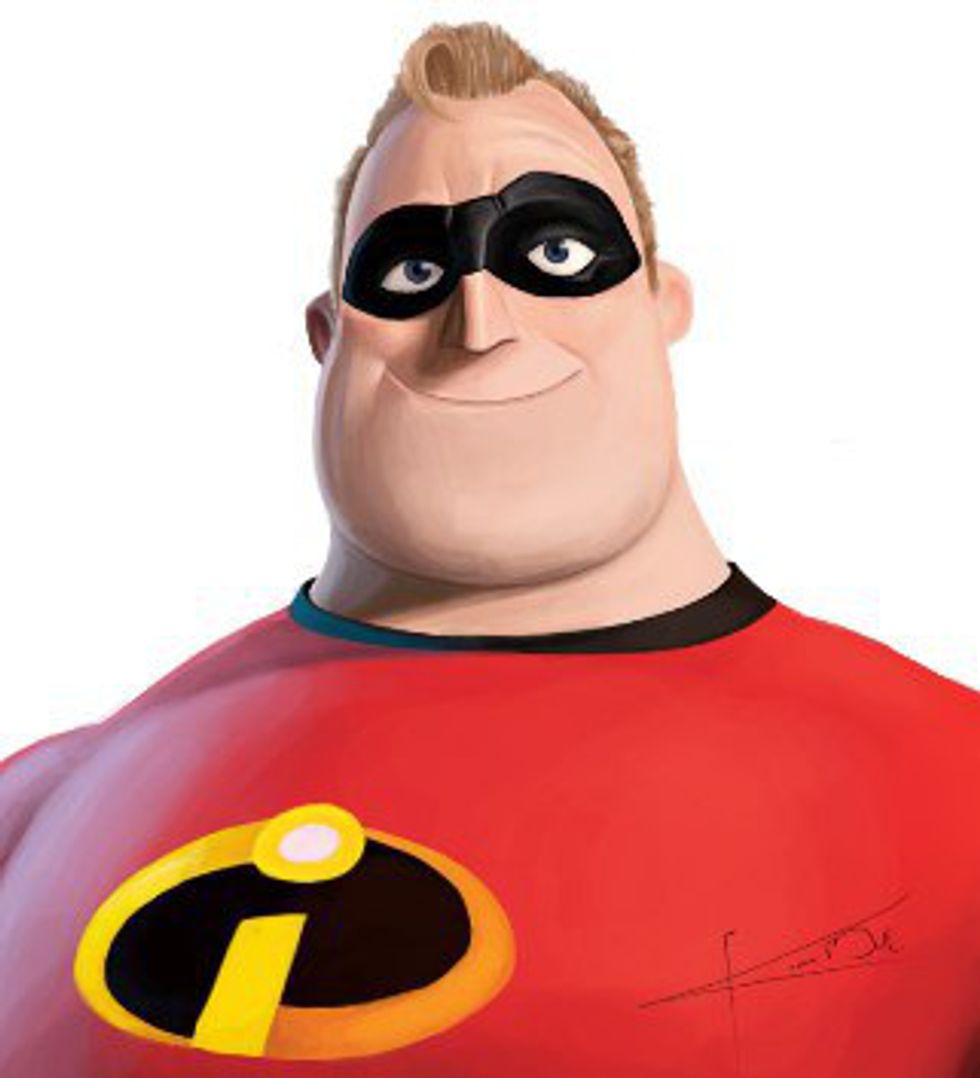
Next, Mr. Incredible from The Incredibles, opens the movie “displaying the tremendous physical strength that enables him to stop speeding trains, crash through buildings, and keep the city safe from criminals” (Gillam, Wooden 4). Though, his sense of independence is taken from him when he is forced to hide his powers, along with the other ‘Supers’, as per the government's request. Mr. Incredible is curbed now by his new settled down family and job, working for an insurance company.
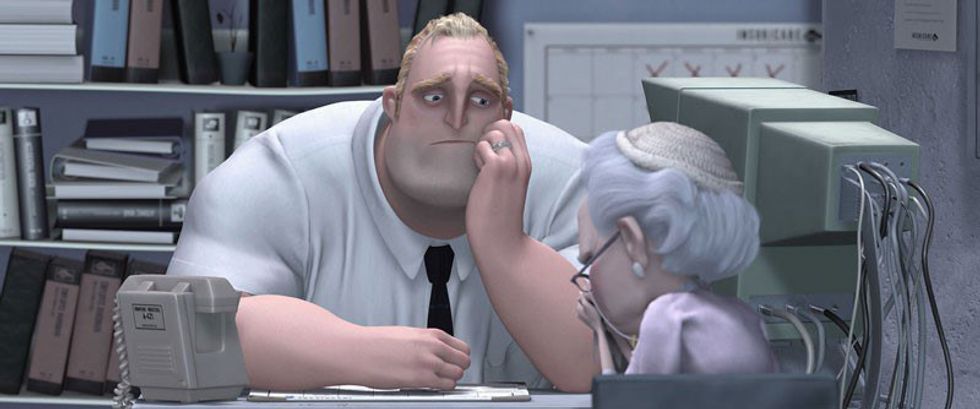
And to make it worse, his boss, who is maybe as tall as his waistline, fires him from this job. All of these male characters have the same thing in common. Each one is either emasculated, faces a struggle trying to achieve contentment or both. Through these movies, it is clear to see the New Model of Masculinity that is presented by Pixar. In each respective movie, the downfall each male protagonist experiences, occur in the very beginning of the movie. That is with the exception of Buzz, where his downfall is in the second half of Toy Story. Regardless, each plot is centered around the alpha-male model. There is no argument that these films do not represent what it means to be a man. From Woody in Pixar’s first movie, to Carl Fredricksen in Up, the last original feature length film before Brave, there is a clear growth from the beginning to end for each of these alpha male leads. The emasculation that occurs for each male-lead helps them so that they can reemerge successful, with a more feminine self-identity. The idea of the alpha male lead is a major example of Pixar’s girl problem because it is a recurring theme in their first 12 films.
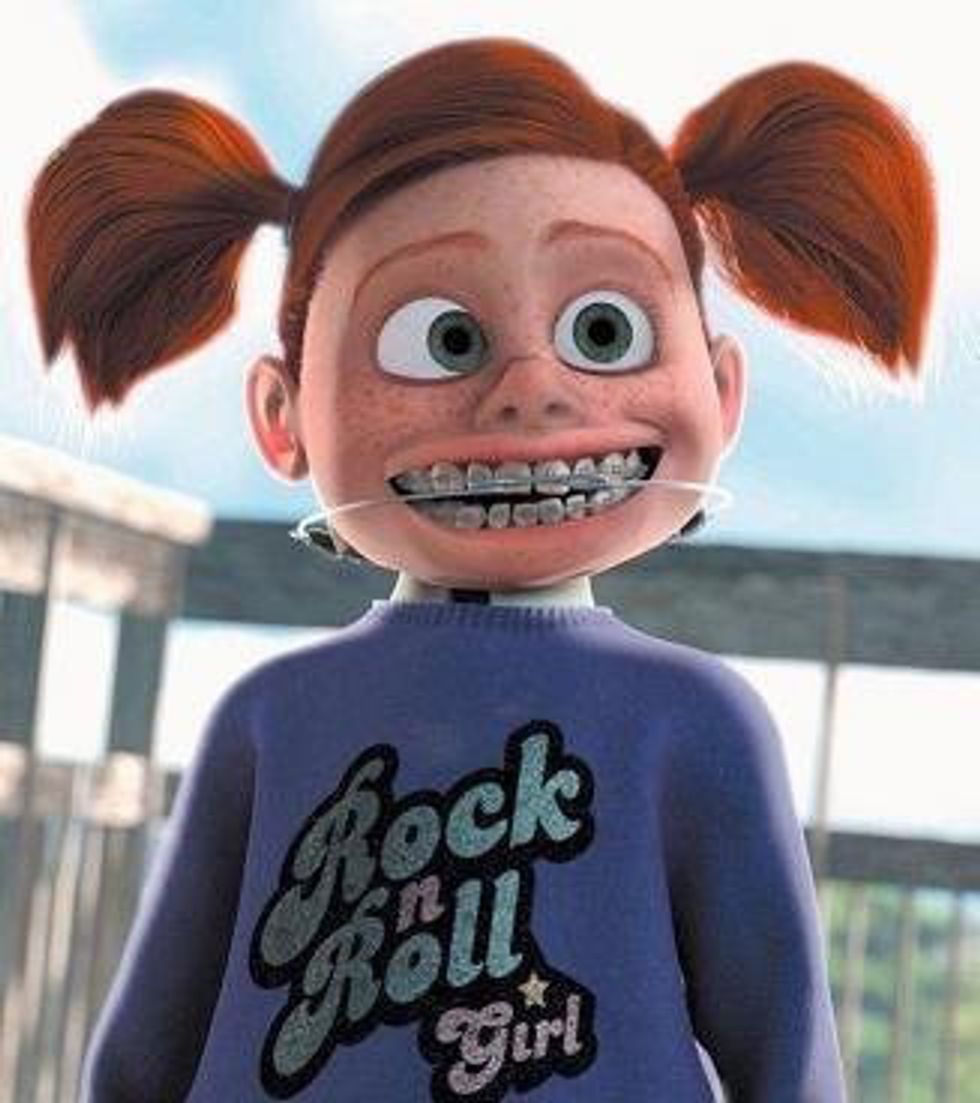
Another example of the problem, is how girls are portrayed in each movie. For example, in Finding Nemo, the mother is already dead before the timeline of the movie starts. Also, Dory is a fish with short term memory loss. Later in the movie, at the dentist shop where Nemo ends up after being taken by fishers, we meet young Darla. A little girl with the dream of owning a pet fish. But her excitement and uncontrolled behavior render her to kill any fish she tries to possess. Not only do we see this kind of subtle discrimination in Finding Nemo, but it is also widespread across the other feature length films by Pixar.
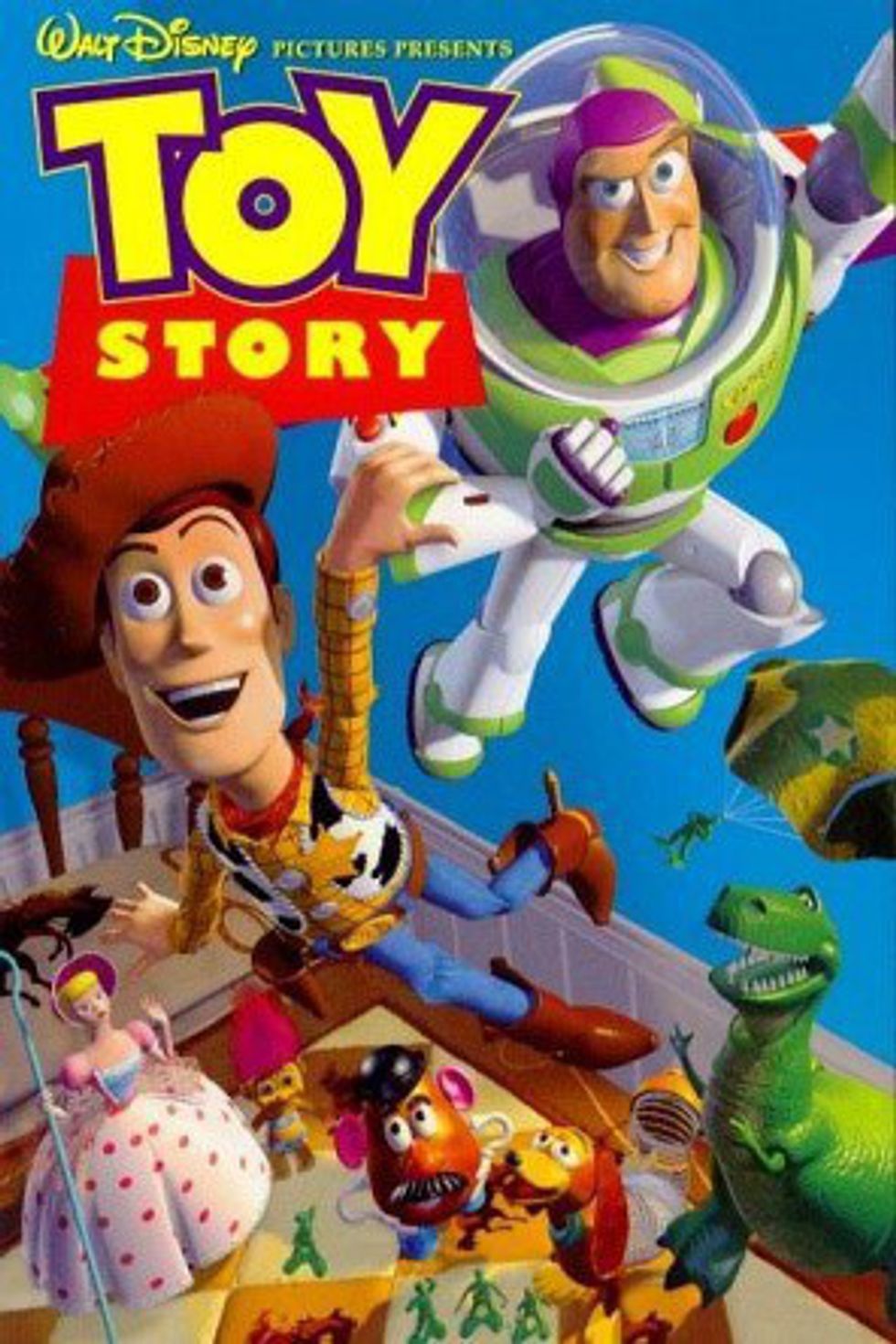
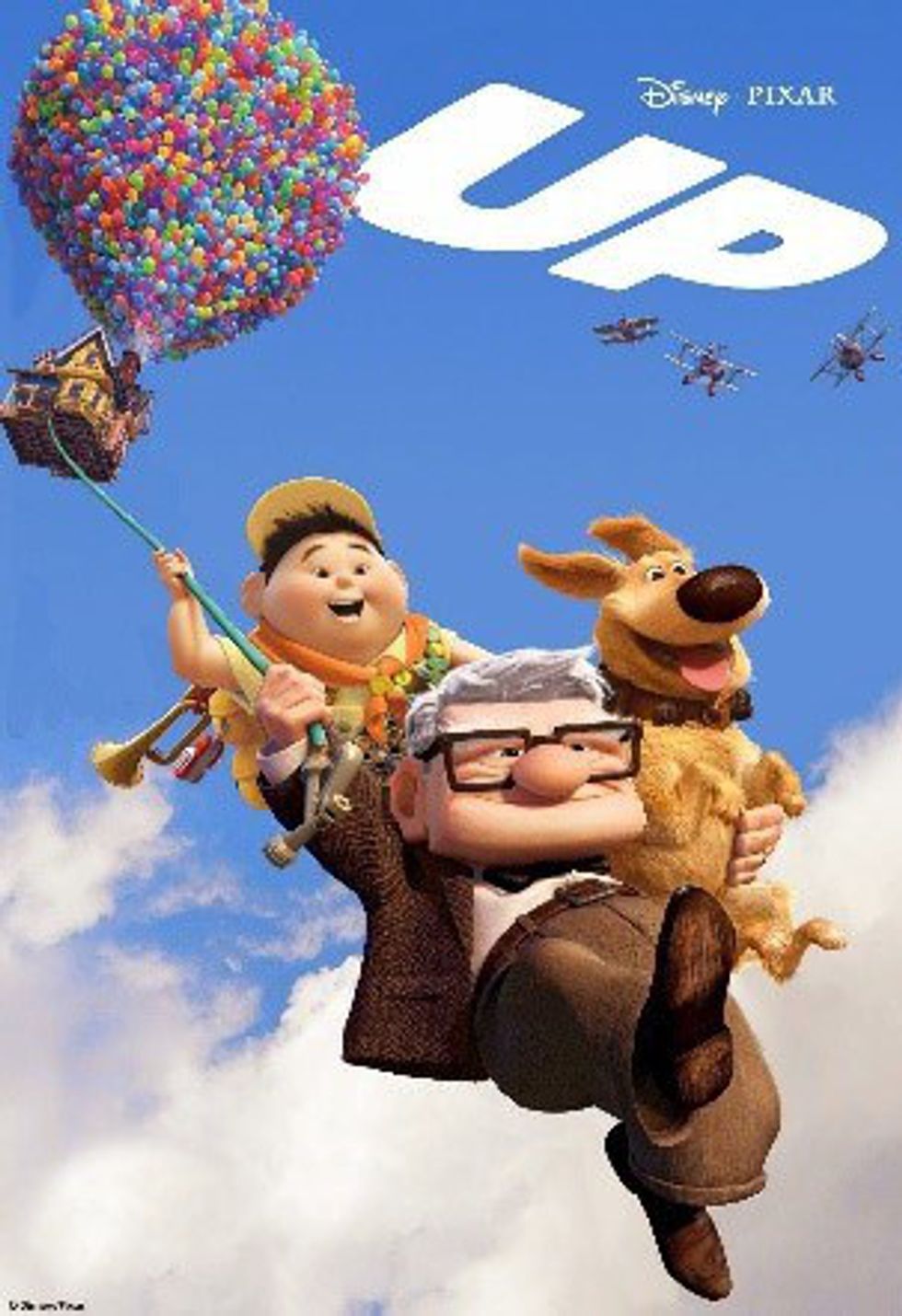
Starting way back with Toy Story, Little Bo Peep was one of the only female characters in the initial group of toys. She clearly was the love interest for Woody. In every scenario that Andy acted out with his array of toys, Woody saves helpless Little Bo Peep every time. In comparison, Sally Carrera was Lightning McQueen’s love interest in the movie Cars. The portrayal of helpless, weak, incompetent or love interest is also present, in Ratatouille, Up, WALL-E, and the sequels of Toy Story, Cars, and The Incredibles. But it does not end there. In Walter Metz close look at Pixar’s Up, he says:
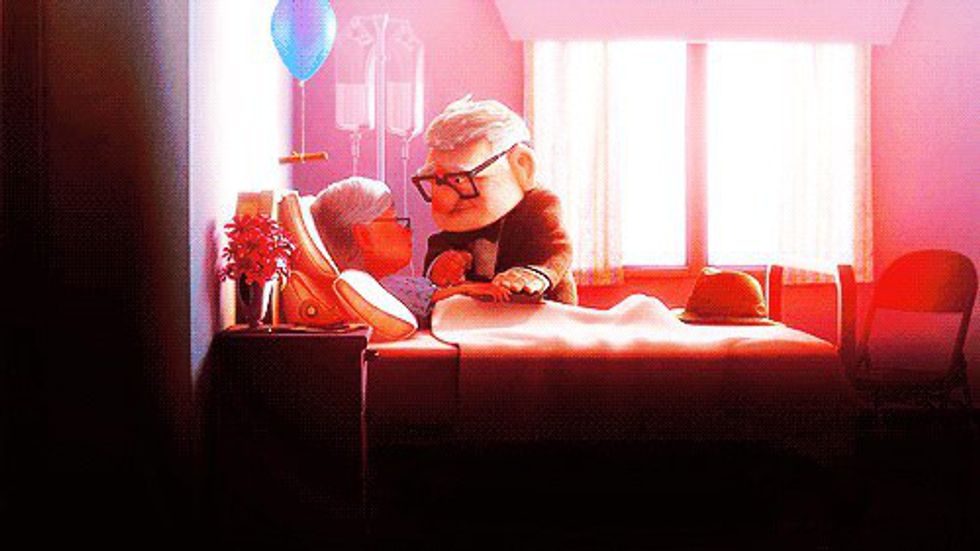
Carl puts together a mobile of zeppelins above a baby’s crib while Ellie paints a mural of a stork in flight in the baby’s nursery. A rectilinear pan right past a wall reveals, without warning, in extreme long silhouette, a doctor informing Carl and Ellie that she has lost the baby. (Metz 70)
Ellie had suffered a miscarriage. Subsequently she falls ill and dies in the last flashback before we reach the present time in the movie. There is a clear line drawn by the animators and writers at Pixar Animation Studios. As mentioned earlier, they do not give the same respect for women as they do men.
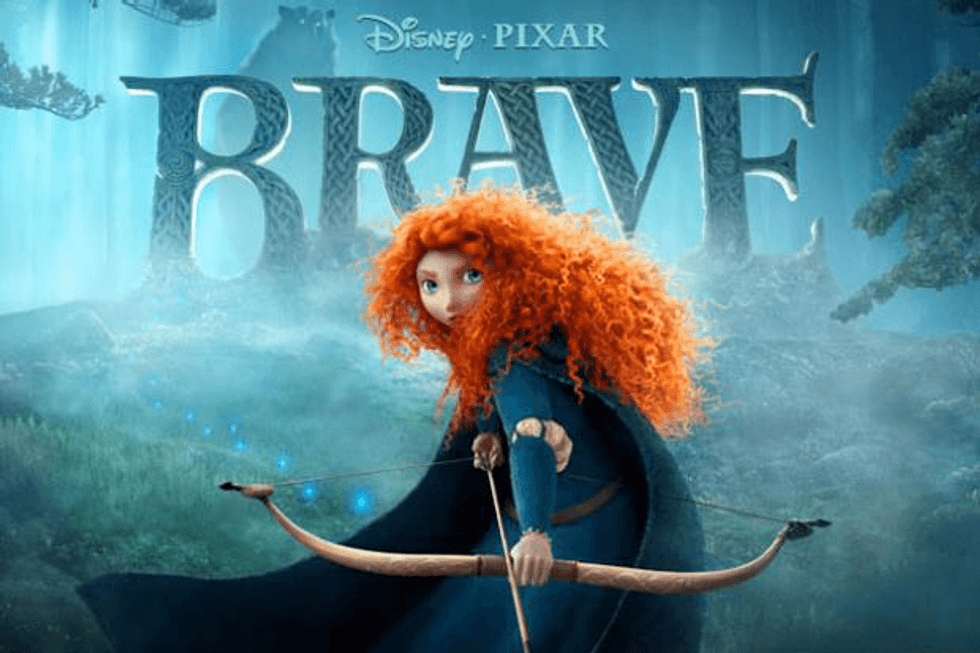
Ever since Pixar’s conception, it was known as a boy’s club. An interview, by Richard Corliss of Time magazine, of Pixar Director Lee Unkrich has Unkrich stating, “Pixar is filled with people who don’t get rid of their toys” (Corliss 37). Not only is inequality in Pixar movies painfully present, it is also represented in their staff. Brenda Chapman was the first female director of any Pixar feature length film. But she was fired and forced to share credit with another director because of her creative differences with the studio. And even so, the movie still had remnants of a male-centric world. Merida, the main protagonist is the first female protagonist of any Pixar film. But, she was still very tom-boyish. The sub-story-line of finding her a worthy husband took form in a competition between three neighboring kingdoms. She did not want to get married, so she entered the competition against the three contenders that were competing for her hand in marriage. If she beat them, she would remain single.
In an article written by Ellen Scott, published in the Journal of Popular Film and Television, she raises a point that shows how Pixar had lasted this long on male-centric movies. She says, “One of the distinct pleasures in Pixar’s films is the pleasure of seeing the deepest of human struggles, timeless philosophical questions projected in and through remote forms of representation” (Scott 152). I do believe that this idea is what propelled Pixar to repeat history with each of their first 12 movies. They found something that worked, and they stuck to it. Even if it meant keeping a male-dominant staff, and movies that followed the same type of story-line.

Nothing will ever take away from the quality of any Pixar Films. The success that the Pixar Animation Studio has produced since its conception in the 1980s cannot be knocked. But their problem with girls is a big deal, and thankfully they are taking steps into the right direction to fix it. From Toy Story to Brave, they have made good progress. All the male-leads, as proven above, are similar in their journeys. In addition, the inequalities towards any female character in the first 12 movies are
consistent with Pixar’s lack of female touch. The problem with girls in film is not just a problem with Pixar. Dr. Stacy L. Smith and Crystal Allene Cook, of The Geena Davis Institute on Gender in Media found in a study of G-Rated Films, from 1990-2005, “fewer than one out of three (28%) of the speaking characters (both real and animated) are female. [And] Fewer than one in five in this sample (17%) of characters in crowd scenes are female” (Smith 12). The whole industry has a problem; Pixar is just one specific case. This is something we can change, and it is something we should change. Movies and television shows are similar to that of what was examined above. All that is being presented to millions of people, children, and planting subtle gender norms and stereotypes into their minds. That in turn could negatively affect society, so we need to take action and solve the girl problem in film. Specifically starting with Pixar’s Girl Problem.