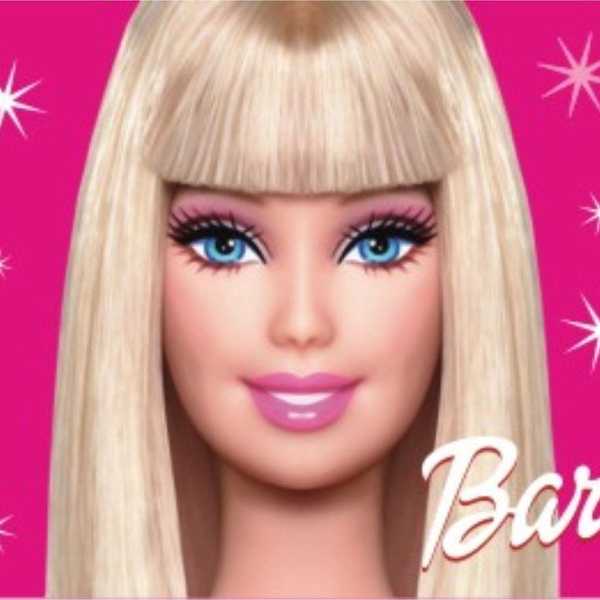
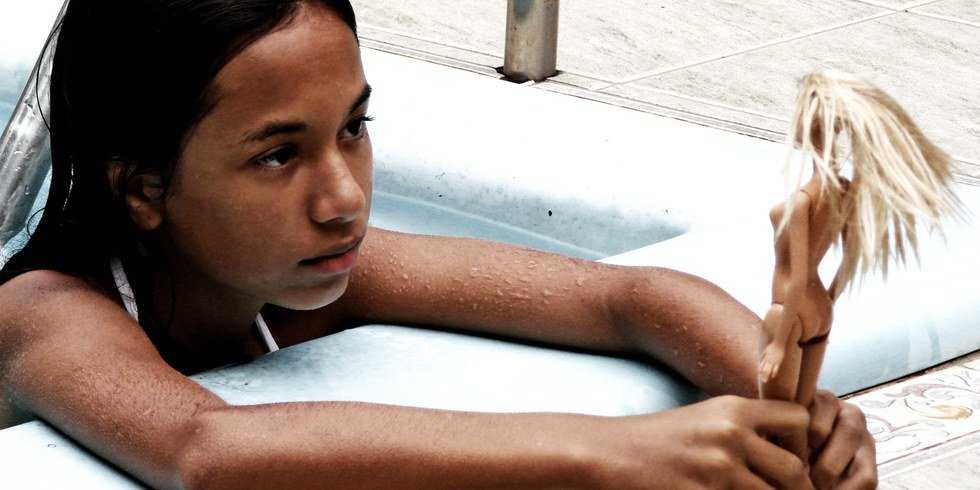
Growing up, many young girls shared a special bond with a glamorous best friend, one with impeccable features. Her name was Barbie, and as a young girl, I was not an exception to the situation. I spent countless hours trying to brush and detangle her wicked hair, and much to my dismay, my grooming skills proved to be inadequate.
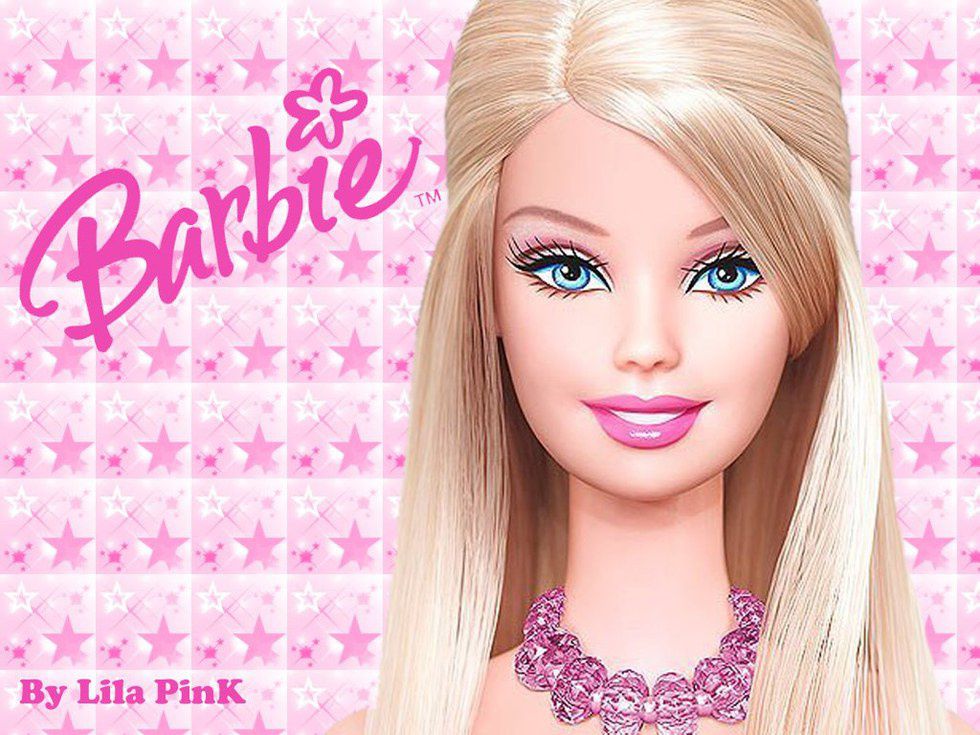
Although Barbie and I sported similar outfits, matched fuchsia lip balm, and drove pink Jeeps, we were very much unalike, and it did not take long for my 3-year-old self to realize that. When Barbie wore pigtails, like silk, her hair cascaded into golden waterfalls, glistening as they met her lower back. On the other hand, my pigtails curled into tight, twisted ringlets, bouncing together as a unit. It seemed as though Barbie and I were exact opposites, and that much was very disappointing.
As a child, I often held my Barbie close, praying to God to change my appearance. Absorbed by the reflection in the mirror, my younger self grew more uneasy with her appearance, spending countless hours wondering why I could not look like my plastic companion. In my mind, everything about me was dark -- the jet-black textured hair, the Bambi-brown eyes, and the olive skin tone. Meanwhile, Barbie was the light; I longed for the pin straight blonde locks, the eyes clear as the ocean and the flawless skin that was pale as snow.
Moving to the United States further drove my infatuation as I found myself surrounded by real life Barbies in a cozy pre-school classroom; however, it is important to note that Western society is not the sole party responsible, as many of these sentiments stem from Eastern societies as well, such as the one that I was brought up in. The issues stems from any society that creates a single mold to fit a concept. Society has a critical role in representing and defining what beauty is. For decades, Egyptians held on to the belief that fair skinned women were considered to be more beautiful than their counterparts, and this remains true in many parts of the country.
While the effects of the over-sexualized and glamorized plastic doll do not tend to get noticed immediately, the portrayal is forever ingrained in the minds of many girls and boys as they enter the world looking for real-life mannequins. Occasionally, I catch myself still wishing I were white, to have the light hair and to have the colorful eyes -- all mere superficial and physical traits, things that do not affect or shape my character in the slightest. To change my physical appearance would be to change who I am, whether I liked to admit it or not. It was not until I stated growing into my own skin that I realized how important it is to fully love and embrace my physical traits because they were nothing more than physical traits, regardless of how different I looked.
Unfortunately, many young girls and women find themselves victim to the endless mental torment and anguish brought on by stereotypical portrayals for beauty; but as society becomes more aware of these sensitive issues, I am hopeful. I am hopeful to see many young faces standing proudly in front of a mirror, delighted by what they see. Social media campaigns have brought many individuals -- both females and males -- out of the shadows and into a world filled with growing acceptance and encouragement.
Now, if there was only a way I can go back in time and hug the little girl standing in front of the mirror clutching her Barbie, curly hair and all.