
On particularly frustrating occasions, I have to try three different addresses before my credit card can be processed. In response to this dilemma, I have developed a methodical approach, naming locations in chronological order, jumbling numbers and street names, forgetting zip codes and the smell of home. My computer tries to interrupt me, autofilling the blanks with yellow boxes reading a place that is no longer mine.
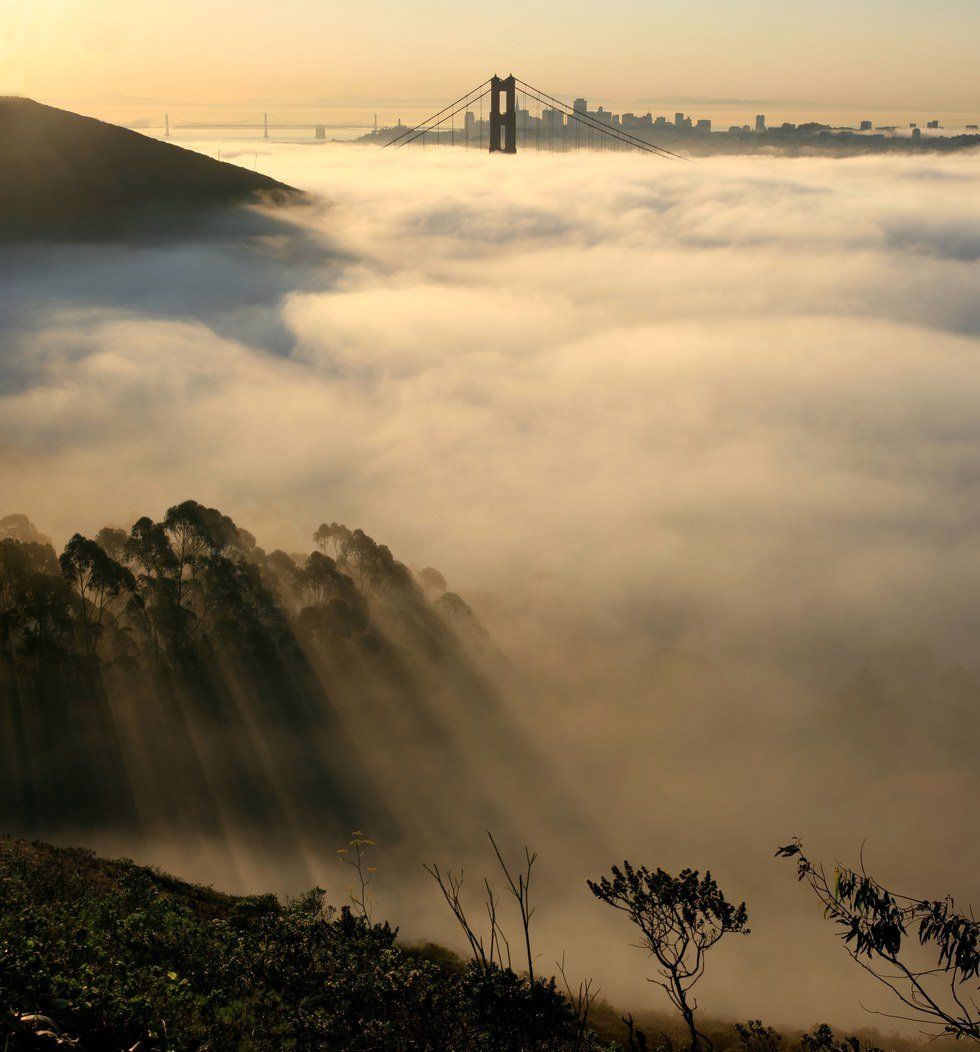
Deracination seems to be the consistent theme tying together the disparate ends of the years. When I was younger, I used to make a game of counting the number of schools I had attended, meticulously tracing the number of cities I had lived in, the number of friends I had made, only to drop with the tremor of unexpected announcement. This is no longer the case: I have been spoiled by a semblance of stability, but overnight, the steady march of fate has once again swept me away from the gentle tendrils of my foggy haven.
My parents are immigrants. This means our journey has been a meandering one. I suppose in a way, I too, am an immigrant, but this feeling of otherness is much more deeply rooted than that. When my paternal grandfather heard about my birth, he sighed. "A girl. What a shame," he told my father. My otherness finds itself rooted in the pores of my memory, etched by family lore into the folds of my skin.
These days, the word “home” rolls off my tongue like a question. My parents are immigrants, and they have never stopped migrating—so home, for me as much as it is for them, is a dialectic in flux. We speak earnestly of a synthesis to end all syntheses, knowing the immovable lie of what we are saying.
In one week, I fly back to California, the closest thing I have known to a home in these years spent in the States. But my home, in every physical manifestation of the word, will not be waiting for me. My bedroom houses another, and the weeds of my backyard have long forgotten the gentle tugging of my fingers; the splattered skies which used I used to embrace no longer remember me. This home I speak of remains only in my memory.
“Home is wherever family is,” my mother tries to assure me. But family is not the same as home. Family is mobile, is fluid, rests securely in the rich inner world, untouched by heavy clouds or springy buds. It is a concept immune from physical occupation by another.
The holiday season in Williamstown feels like a farce. Fraying pine trees draped extravagantly in glittering lights bow with the weight of the unattainable. Electric snowflakes line the lamp posts, screaming for attention above barren concrete. The air is too cold for celebration, the skies too uniformly dark. I do not remember the last time I have felt so excluded by the ghost of Christmas past.
Recently my phone has begun labelling Williamstown, Massachusetts, as “home.” Right now, it will take you approximately two hours to get Home, Siri tells me in Boston. I want to tell her she is wrong: it will take me approximately six hours and several heartbreaks to remember home. I do not remember the last time home has felt so elusive.
Maybe this is the way it is supposed to be, I tell myself: we leave, so we may return. But the second law of thermodynamics cites entropy as an inevitability removed from escape. There is no such thing as return. The act of leaving can never be undone; the authenticity of the past can never be repasted.
Some days I wonder about the daughter I may never have, wonder if she, unlike her mother, will succeed in building a home inside of herself. Wonder if she will inherit the nomadic tendencies of my parents, or if she will absorb the dregs of longing—for a home, a bed, a sky, an unattainable past—that flow through my veins. So it goes.
From above the barren concrete, a snowflake twinkles. The skies sigh in deep purple wonder. And so it goes.