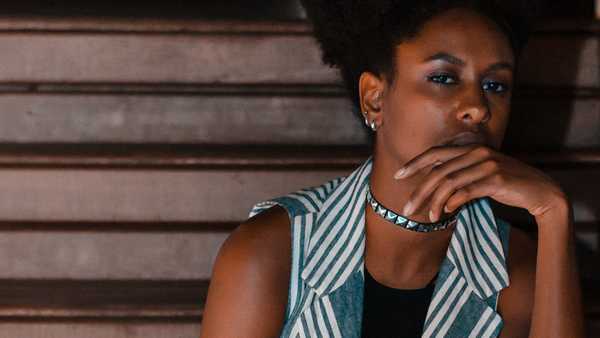
Islam is a difficult subject to talk about, specifically in the United States. It is seen with so much acrimony and contempt. This initiated me to write this article and share my experiences as a hijab-wearing Muslim, and maybe change your perspective on what you think of Muslims in general. I first started wearing the hijab, a head cover, when I was 10-years-old. I was really excited to have this garment over my Afro-textured hair. The truth, however, is that I did not wear it for religious reasons, but because I found the idea of wearing this piece of clothing intriguing. I wanted to experience having that little source of enigma Muslim women feel. Over time, the hijab became the clothing I put on every day. However, coming to the United States completely changed my perspective on how I interpret the hijab.
When I first came to the United States, I didn’t expect to feel bigotry centered on my ability to contribute to this world. When most people think of a Muslim woman, they assume she has a misogynistic dad and is not an origin of change and revolution; Muslim women have become a symbol of oppression. People make preconceived ideas as to who I am as an individual. For this reason, I have always felt the need to prove myself to others. I had to say: I am smart, beautiful, confident, and happy through my hijab. Of course, I have also experienced this prejudice in my home country, Ethiopia. While attending school in Ethiopia, I had to prove that I am not ludicrous and stupid.
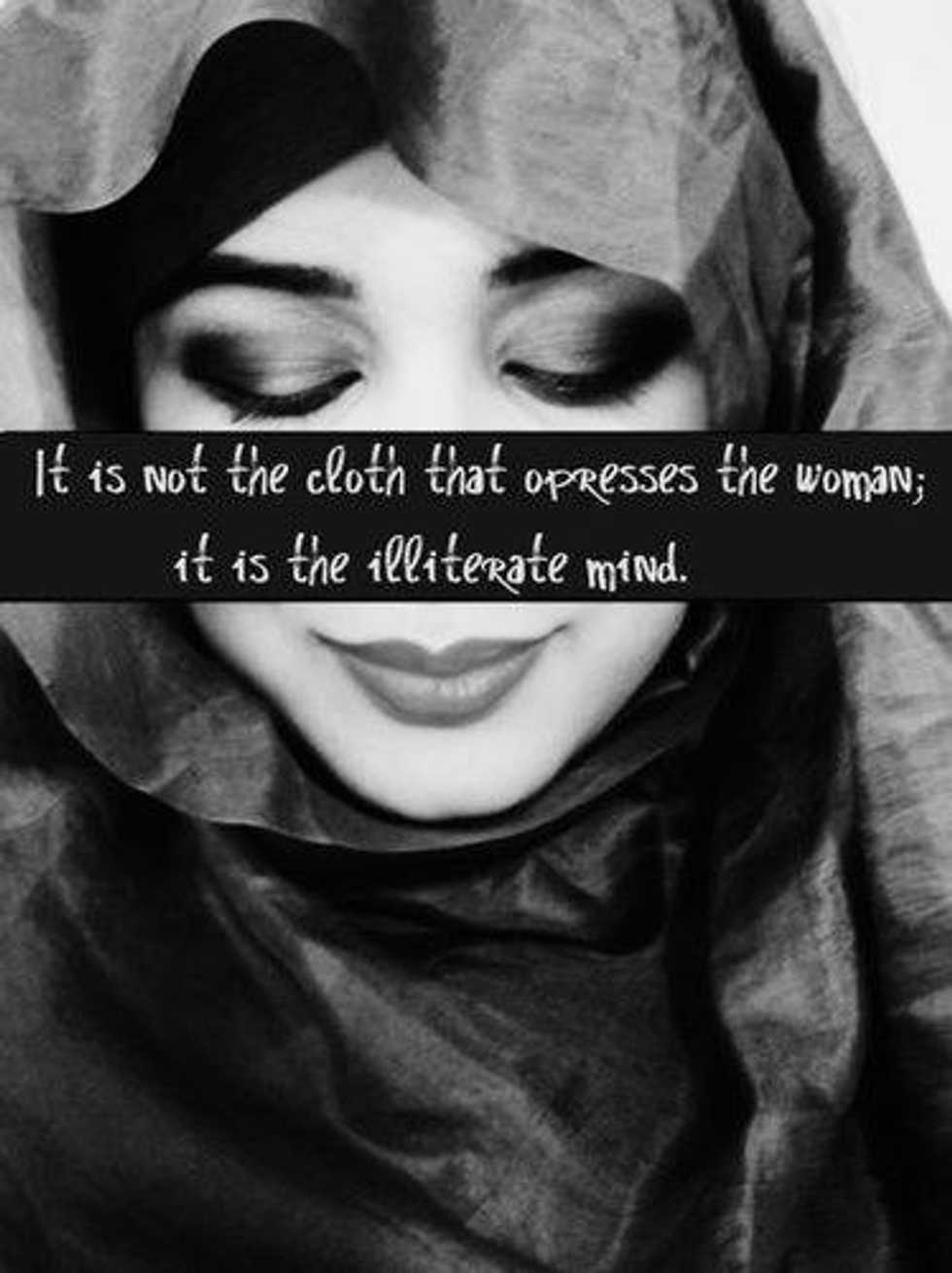
However, since I came to the United States, that prejudice became even more prominent. I have never felt like I am losing some part of my identity so much, and at the same time, felt the need to protect this source of pride and confidence. Through this, I have come to understand that my hijab is a source of confidence, commitment, and strength. It is not meant to cover up my weaknesses. Rather, it is a source of my liberation, not my repression. The hijab is simply supposed to be a symbol of a woman’s intellectual ability.
People continuously stare at me, and some have felt awkward talking to me. I do realize it is because they probably haven’t had the opportunity to meet other Muslims. I’ve had several people approach me and ask me if I am Arab because of my hijab. I wasn’t even considered black anymore. My dark chocolate skin color seemed to be imperceptible. My entire identity became solely based on my religion. Islam is not a race; it is a religion, which means there are black, white, Asian (South Asian and East Asian), and Native American Muslims. You don’t have to be from the Middle East and North Africa to be a Muslim, and at the same time, not all Arabs are Muslims. Muslim women are just like any other women. You see, I am not a terrorist; I am a Muslim. I garner conversation and communication. I am a feminist. I love science, and I am in love with Nicki Minaj. I am a college student still trying to figure out what I want to do with my life. My race, religion, and gender are not reasons I should be criticized. My actions and what I do should be what I am judged and scrutinized for.