
Memories are stories I’m afraid will turn into fiction the more I replay them in my mind. Recently, I’ve found myself longing for an indescribable feeling of simplicity, for memories from my childhood and early teenage years. Perhaps it’s the academic stress or the effects of being a college student uncertain about her future, but one sentiment has been more overwhelming than others: nostalgia.
Don Draper in "Mad Men" described nostalgia as “a twinge in your heart far more powerful than memory alone… It goes backward, forwards… It takes us to a place where we ache to go again.”
From experience, nostalgia takes two major forms. One is the places or time periods in culture and history I have encountered in books and films. When I read "The Great Gatsby", like many others, I desired to time-travel to the romanticized Golden Age of jazz, prosperity, and the dynamic energy of a new era. And when I watched Woody Allen’s "Midnight in Paris", I once again wanted to visit a world where the greatest artists like Hemingway, Fitzgerald, Picasso, and Matisse, among others, created art. I wanted, as incredulous of a proposition, to be a part of the artists’ inner circle and to learn about life by being immersed in discussions of art and morality.
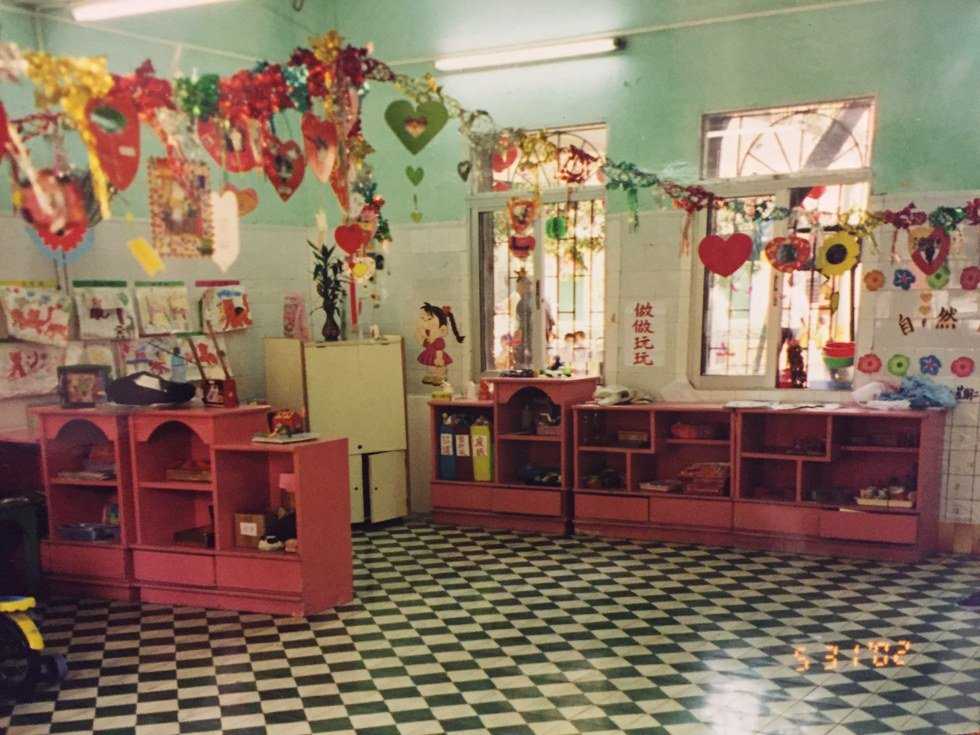
The second form of nostalgia is more personal, more derivative of past experiences. It is a longing for moments in one’s past that may appear more pleasant than a current situation. Often, revisiting these moments provides the comfort of life returning to the purity and innocence that it once was. Recently, I’ve been feeling nostalgic for the town in China where I once lived, for the memories of walking through food markets with my grandmother under the glare of the persistent sun.
One memory outshines all the others, and it is perhaps why I feel such a sense of nostalgia for this particular time in my life. I had lived in a small town in Southern China for four years of my childhood. On most mornings, my grandmother and I walked down a street of food stands to buy breakfast. Every time, I would choose a pastry called the Chinese cruller, or youtiao (in Mandarin). I was intrigued by the process of making this, and was delighted as the chef prepared each pastry. He stretched risen dough, wrapped it in loose flour, and placed it in the deep fryer. Within three minutes, it turned golden brown, ready to be indulged. As minuscule of an experience as this seemed, it was the highlight of my day.
A friend has also recently expressed nostalgia for the town in Ukraine where she spent much of her childhood and teenage years. Her reasons were not as specific as mine. In fact, she could not pinpoint a specific reason for wanting to return. She simply couldn’t shake off the feeling that if she didn’t return, she would continue to be unable to sleep and unable to stop dreaming about the town.
When she did return, she was overwhelmed with comfort and the thought that she would be able to carry forward with her life. Then, is nostalgia something that pushes us into once familiar territory and back, just for a moment?
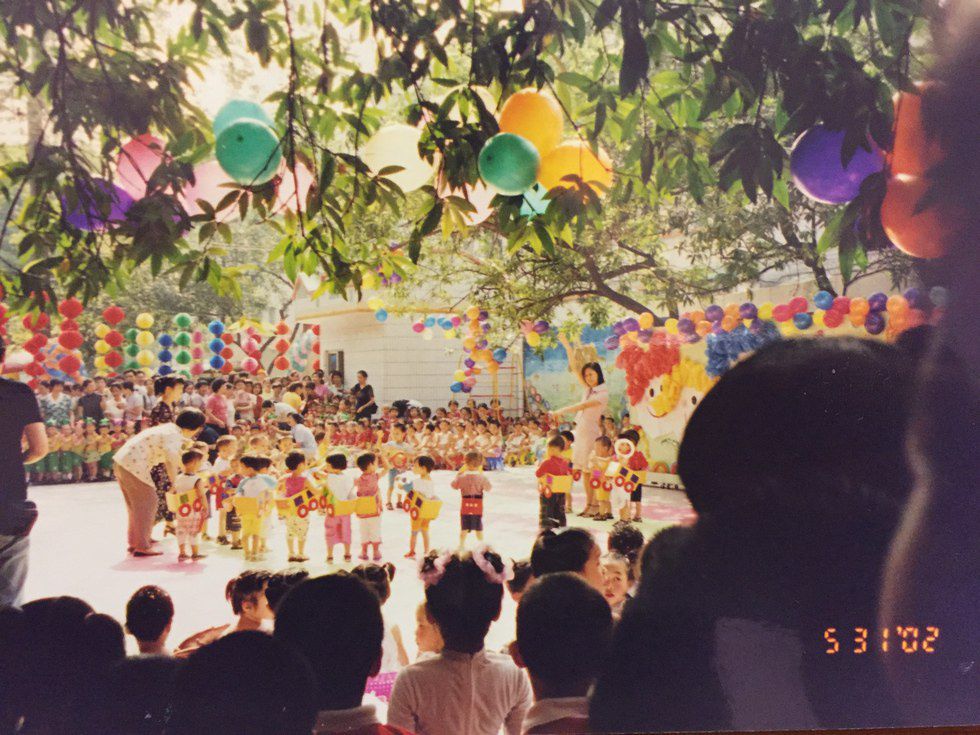
I don’t exactly know why I am nostalgic for this particular moment in the past. Perhaps nostalgia is a double-edged sword. It allows us to reflect on a magical past we wish to make the present. It allows us to change current conditions in our lives with which we are not satisfied. However, nostalgia is also borderline fiction; it is a succinct, bright-eyed set of stories that sometimes leave out unpleasant details. Our minds innately distort select events, and after some time, we tend to romanticize some memories to retain only what we want.
There are moments in our lives we wish would last forever, and for me, these include basking under the warm sun in the agora of a small town in China. It also includes the stories of Woody Allen and F. Scott Fitzgerald that mesmerized me as a 17-year old with an overly idealized mindset.Above all, nostalgia represents a set of stories in my life, even if they have evolved into fiction, that I will forever carry with me. Nostalgia becomes a fantasy we will never be able to accurately recreate since our minds won’t recognize all aspects of the memory. Therefore, isn’t nostalgia simply an idea we can only relish inanimately? Without a way of fully realizing events in the past that occurred, they are fragments of the subconscious that either obstruct or propel life.