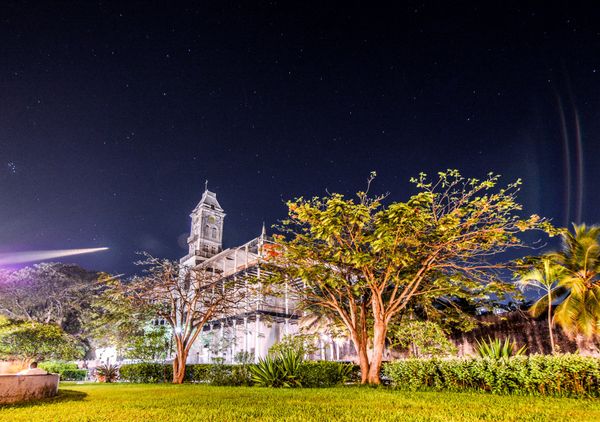


To many Americans, New Zealand is nothing but a far away land home to The Lord of the Rings. This small country is packed with natural beauty, friendly people, and not to mention, a lot of sheep. The fact that New Zealand is home to endless breathtaking destinations, placed just about everywhere you look, makes it the travel destination of a lifetime.
It is obvious that people all over the world have realized how special New Zealand really is, considering that tourism is one of the country’s largest industries. In response to the large numbers of people visiting the country to see its stunning sights, and sometimes specifically to see the filming location of Sir Peter Jackson’s Lord of the Rings trilogy, travel conveniences such as bus tours, camp grounds, and information centers have sprung up all over the country. Though these resources are greatly beneficial to travelers, below I will list a few of my most recommended and personal favorite travel destinations in New Zealand’s North Island.
1. Mount Ngauruhoe

2. Mount Ruapehu
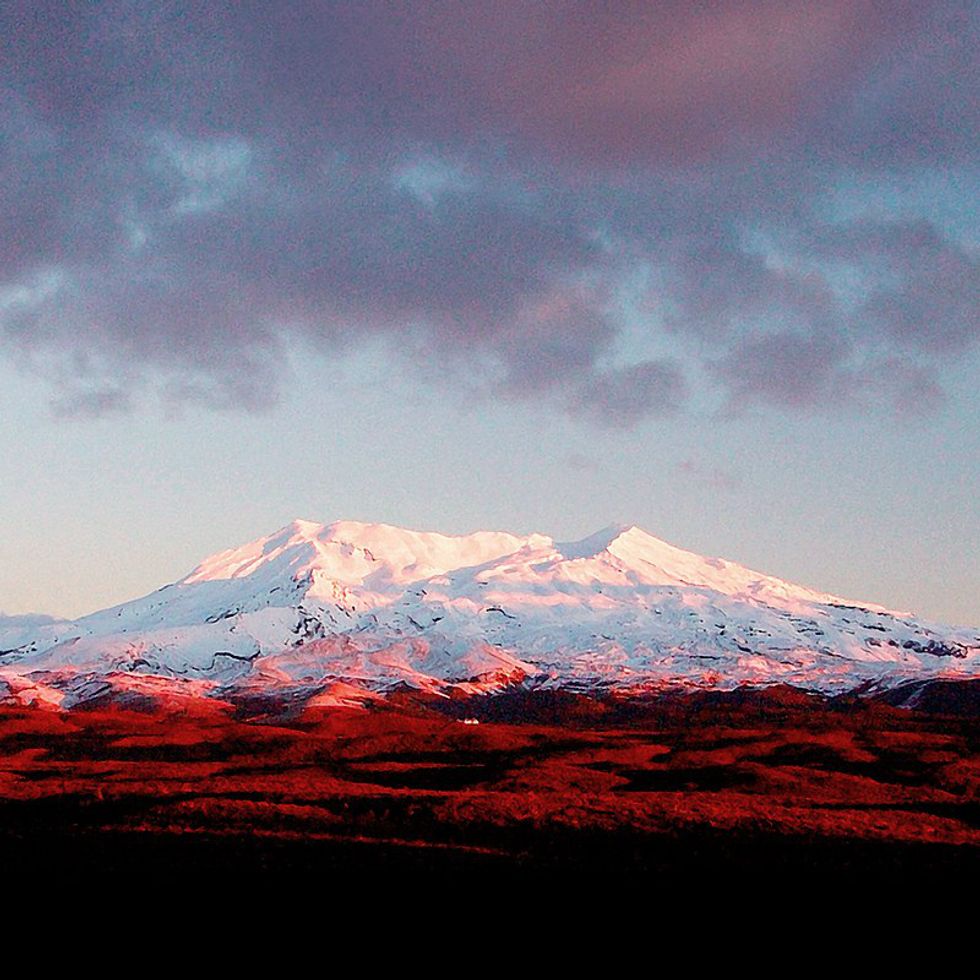
If you visit Mt Ngauruhoe, just next door lies the stunning Mount Ruapehu, which is also an active volcano. This volcano has been more recently active than its neighbor, Mt Ngauruhoe, with its last eruption being in 2007 and several eruption warnings being given in years since. This volcano is the largest active volcano in New Zealand, with three major peaks: Tahurangi, Te Heuheu, and Pareteteaitonga. The tallest peak is the Tahurangi peak, with an elevation of 9,176 feet. Mount Ruapehu’s elegant slopes contain ski fields and the North Island’s only glaciers.
3. Lake Taupo
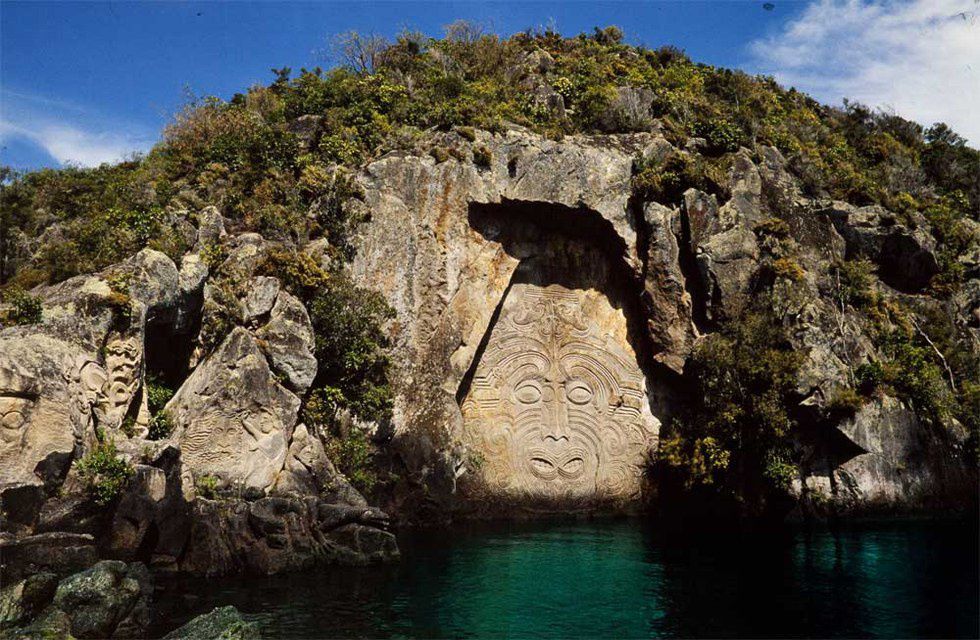
Lake Taupo, New Zealand’s largest lake, resides in the central North Island. The lake lies in the caldera of the Taupo Volcano, and was created after a supervolcanic eruption that occurred around 26,500 years ago. This event is known to be the largest known volcanic eruption to occur in the last 70,000 years. Though this eruption was destructive at the time, it has resulted in the beautiful Lake Taupo. The lake area’s temperate climate and the striking hue of the bright blue water make it a must-see destination. Another feature of the lake is its thirty-foot-high Maori rock carvings located at Mine Bay. But, if you plan to see these carvings, be prepared for a bit of an adventure, for they can only be reached by boat or kayak.
4. Huka Falls
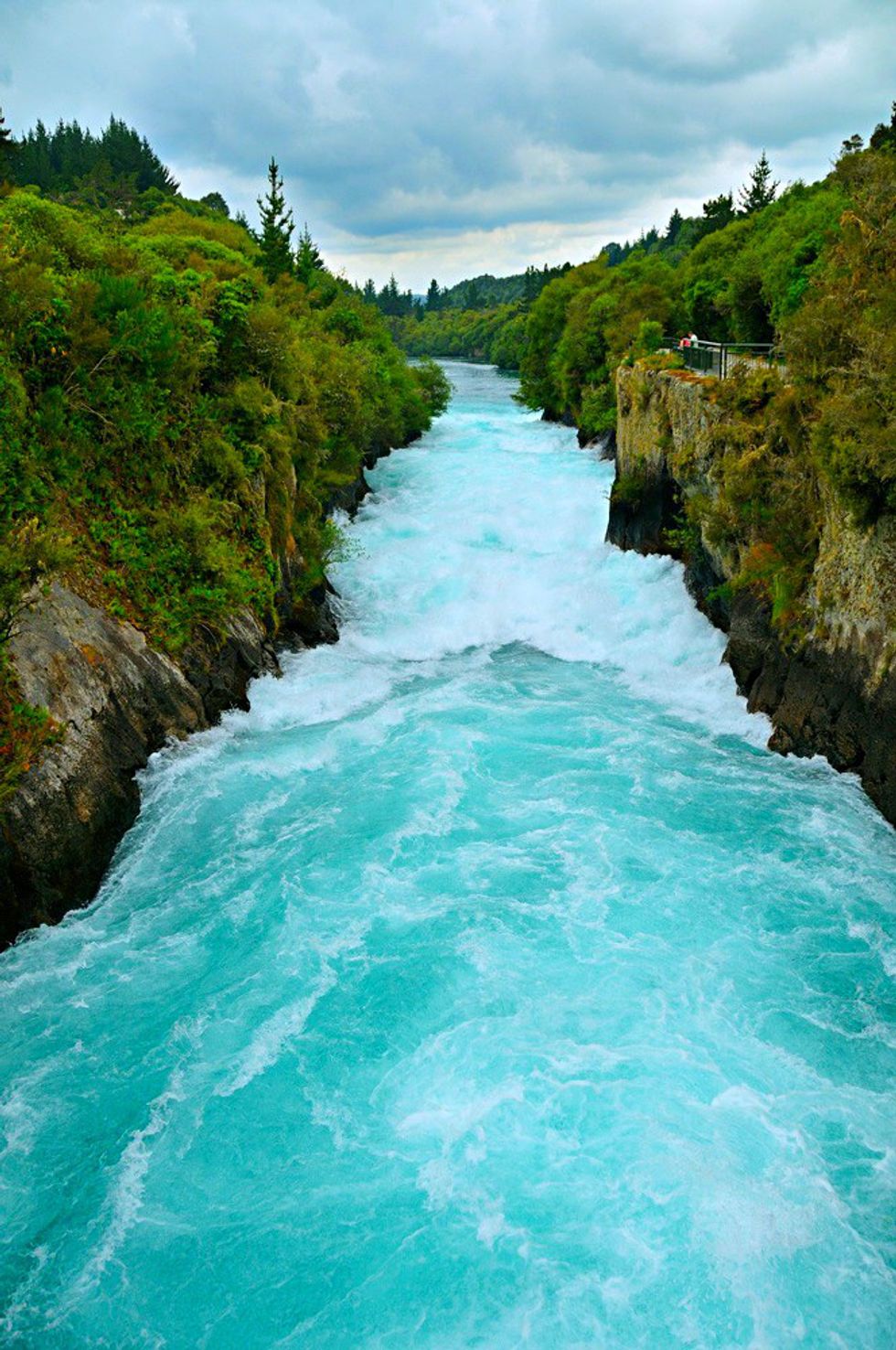
This set of falls is located on the Waikato river; the river that drains Lake Taupo. The insane volume of water flowing through these falls is incredible, as it flows at an astonishing 220,000 liters per second. Visitors can view the shockingly-blue falls from an overbridge, as well as other viewing centers. If you decide you want an even closer look, thrilling jet-boat tours are available at the base of the falls.
5. Piha Beach
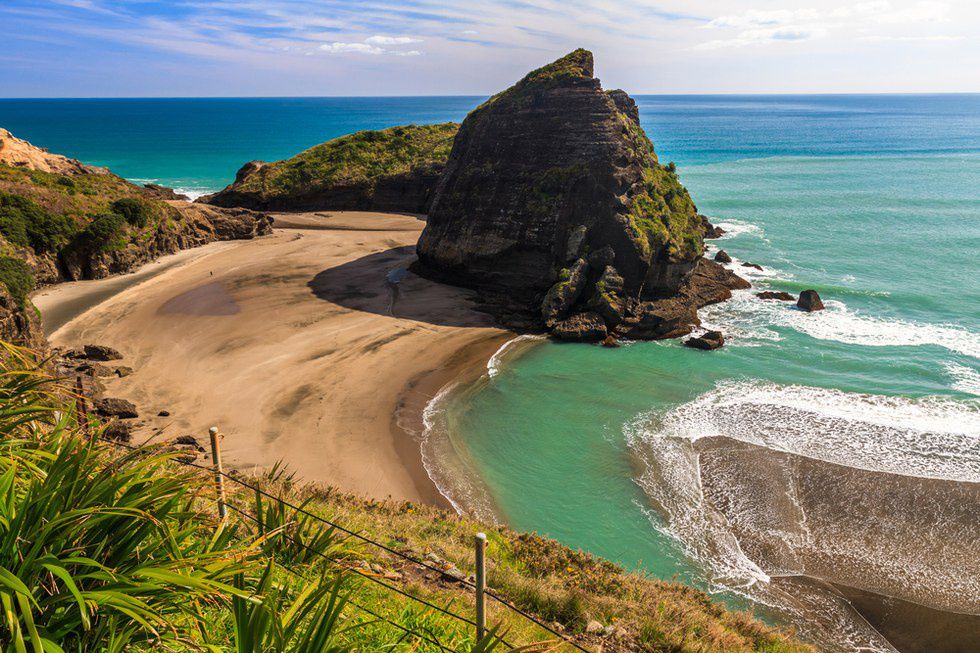
Piha Beach, known for its rugged beauty and pumping surf, is located on New Zealand’s Wild West Coast. Piha is the birth-place of New Zealand surfing, and now hosts both national and international surf competitions. The beach is divided into North and South by Lion Rock, a landmark that is actually an eroded 16-million-year-old volcanic neck. Piha’s waters are thrilling, often filled with surfers. But, if you personally plan on swimming, take caution. This beach’s powerful currents have landed Piha its very own television show, “Piha Rescue,” which documents Piha Surf Lifesaver’s experiences and the rescues performed in Piha’s treacherous waters.
If you visit Piha Beach, plan on taking a quick walk over to the Kitekite track, where in just twenty-five minutes of trekking you will stumble upon a beautiful six-tier waterfall called Kitekite Falls. The falls’ base provides a pool-like lake of clear blue water, perfect for swimming.
6. Cathedral Cove
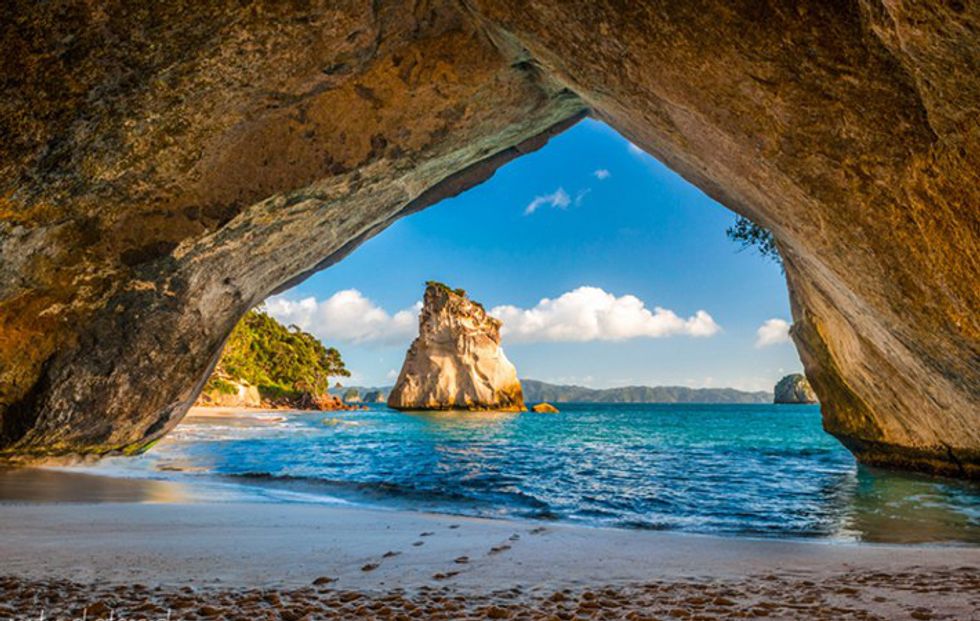
Located on New Zealand’s Coromandel Peninsula, Cathedral Cove houses a famous cathedral-shaped cave from which its name originated, as well as various formations of natural rock stacks. The white sand beach and beautiful coast line alone are worth visiting, but the beauty does not end at the water’s edge. The waters offshore are filled with marine life, making this location a popular diving and snorkeling area. You may recognize this location from its appearance in The Chronicle’s of Narnia: Prince Caspian, where it is set as the first entry location back into Narnia in the film.