
New York City is like no other city in the world.
The five boroughs—Manhattan, Queens, Brooklyn, the Bronx and Staten Island—house a variety of neighborhoods with each having a distinct characteristic. Step into Jackson Heights, Queens, and embrace the South Asian and Latino culture. Head over to the East Village in Manhattan if you want a taste of the rich music and art scene. Or stop by Bedford-Stuyvesant, nicknamed "Bed-Stuy," to explore the African-American heritage and the famous brownstone architecture it offers. From Pelham Bay Park in the Bronx to various wetlands and parks in Staten Island: it all makes New York City, well, New York City.
Yet, the unique culture of this great city is changing, and sadly, disappearing. It may not be noticeable for someone who has not lived in New York City, but as a native New Yorker I am witnessing the sudden transformations every single day.
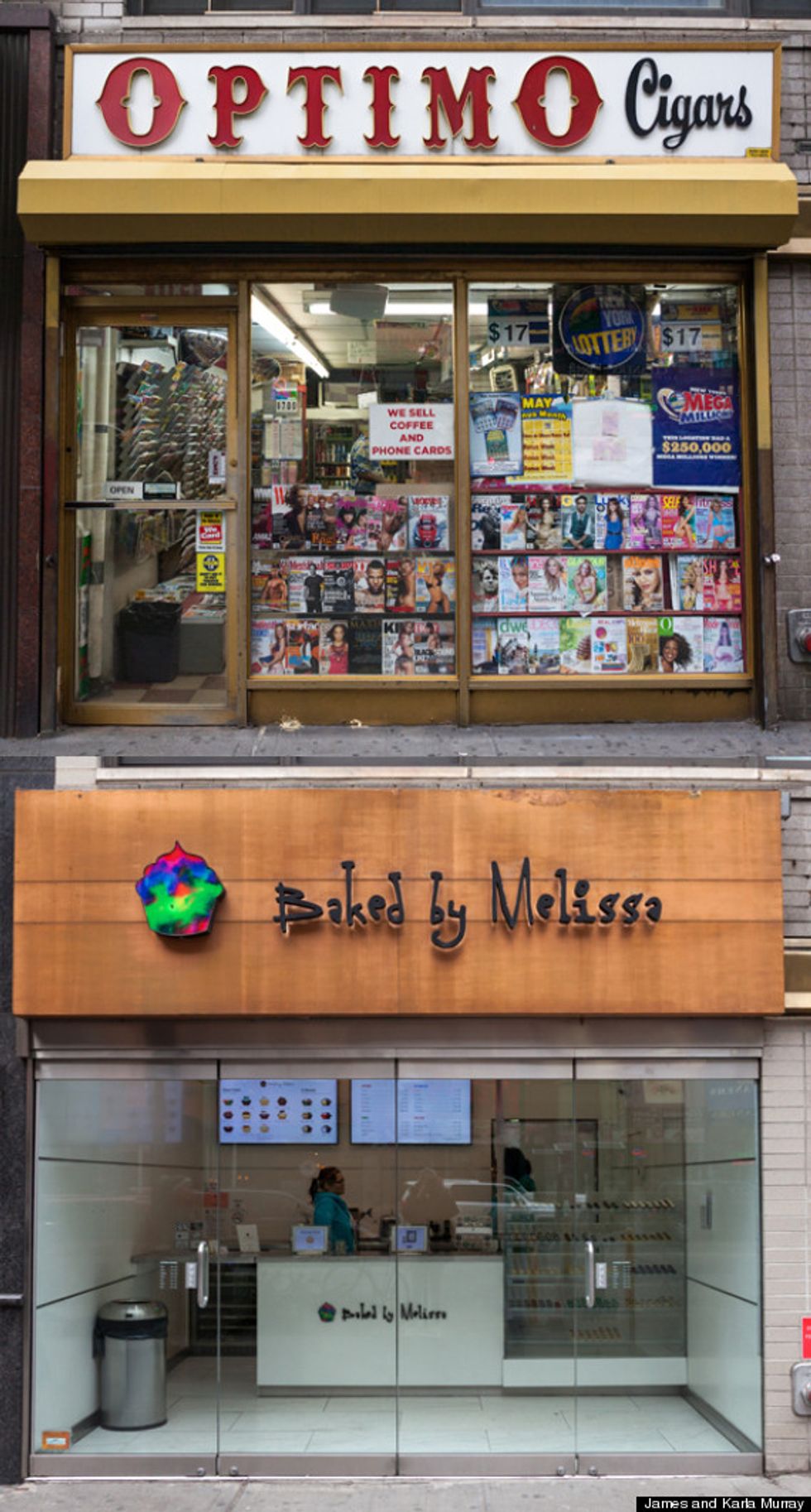
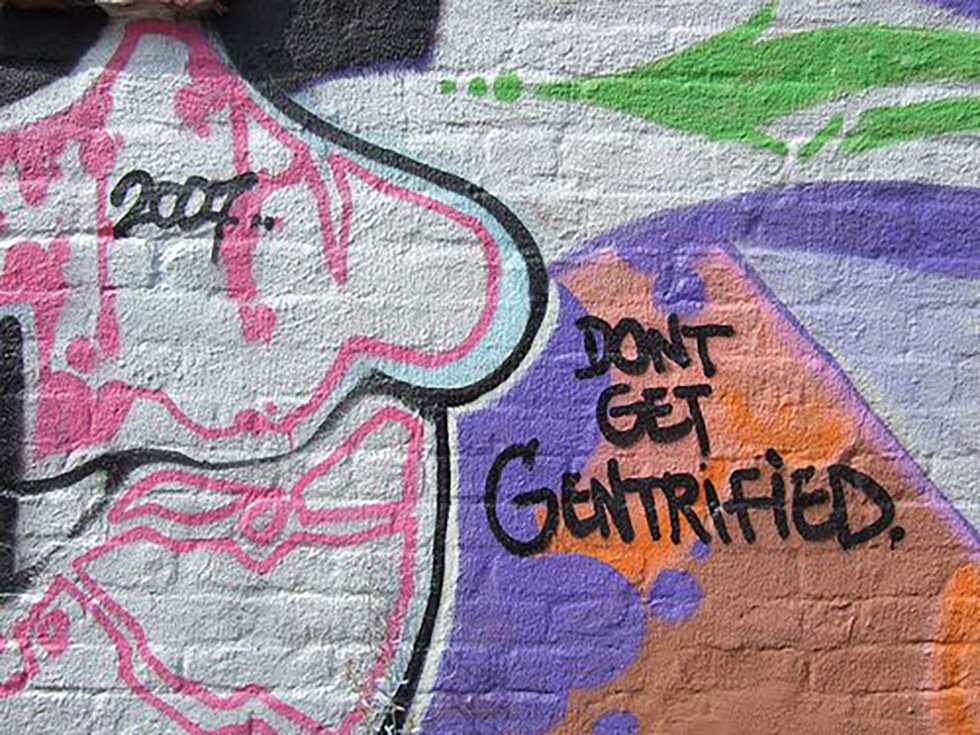
Gentrification. This particular word is commonly known nowadays no matter which borough you go. However, it is not a favorite phrase for many New York City residents. The formal definition of gentrification is "the process of renewal and rebuilding" a low-income area by wealthy individuals.
The informal: rich people moving into poor neighborhoods while displacing the poor residents.
Just this past month, a real estate company's promotional video caused controversy in the Bed-Stuy neighborhood. The video, titled "This is Bed-Stuy," presents charming cafés and fancy donut shops, although for many longtime residents, this was simply not true.
Instead they felt ignored.
Kathleen Grosvenor, a Bed-Stuy resident, shared her thoughts about the gentrification going on for PIX 11 News. Disappointed with the video, Grosvernor complains that there was "no mention of those institutions that are our Bedford-Stuyvesant."
Besides alienating part of the community, the rising rents are forcing many residents to move out. "They won't renew leases...they'll say they'll buy you out," explains Felicia Grosvenor. And it is not only seen in the Bedford-Stuyvesant area. According to the New York Daily News, "median rent in central Harlem has jumped [to] 90 percent since 2002," based on a report analyzed by the Community Service Society.
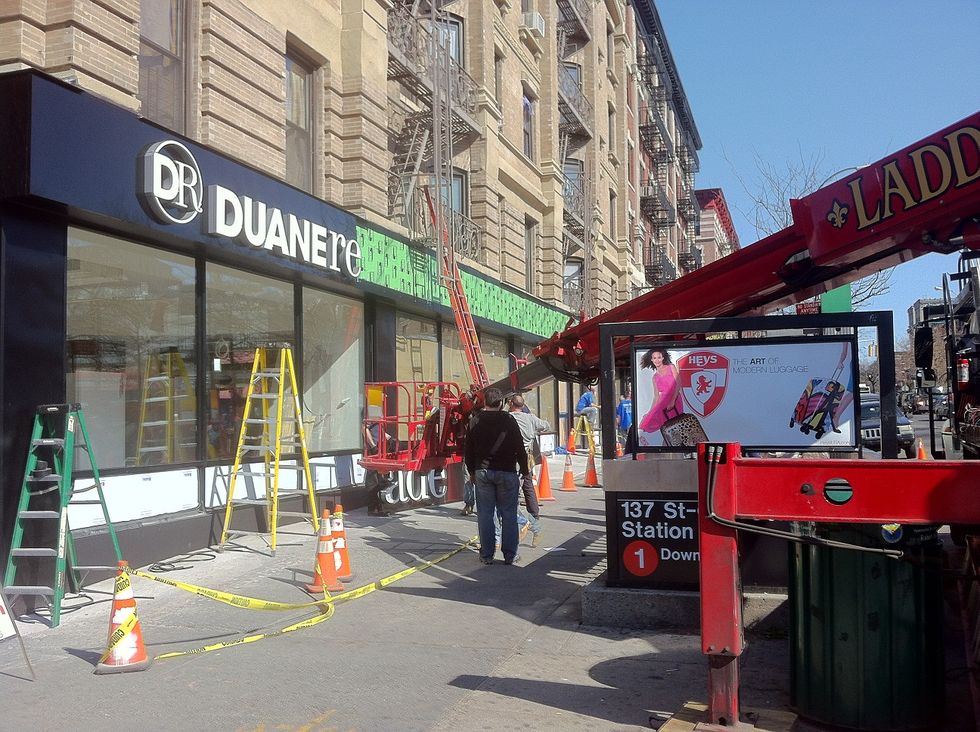
Photo: Insidedigs
Linda Chaplin, a retired MTA clerk born in Harlem, believes that gentrification changed the "flavor of Harlem" since the rents are out-pricing "the people who grew up in this neighborhood."
The rents in Queens are rising, but slowly. However with the construction of new luxury apartments appearing left and right, Queens will be next to fall victim of gentrification. The effects of gentrification are appearing in Long Island City and soon it will become the "next Williamsburg."
Whenever the N or Q train passes by Queensborough Plaza station, all I see are high-rise buildings with the phrase FOR RENT in front. Whenever I explore Long Island City, it is no longer gritty but clean and sleek. The abandoned streets are replaced with bars and cafes. It is now a mini-Manhattan, with my neighborhood, Astoria, being next.
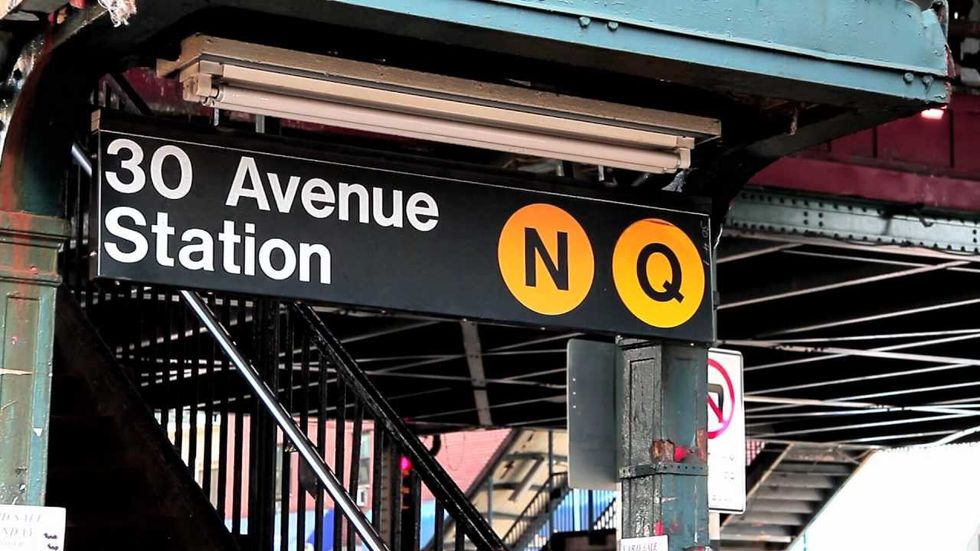
Photo: YouTube.com
I do not want Astoria to become the next Manhattan. I want my neighborhood to just be what it is: Astoria. A neighborhood that is known for its rich history in Greek heritage, with other cultures mixed in as well. And just like other residents, they want their neighborhoods to be just Bedford-Stuyvesant or just Harlem, not a carbon copy of something else.
Each neighborhood has its own history, its own traits, its own flavor, and all of that is what makes New York City different from other cities. Gentrification only takes away all of the richness that makes these neighborhoods unique.
As a native New Yorker, born and raised, I do not want my city to disappear into the shadows. It is my home that I share with 8.4 million other New Yorkers.
And it's my home that I do not want to change. Ever.

















