There are 319 million people living in the United States, 2,488 of them are enrolled at Muhlenberg College.
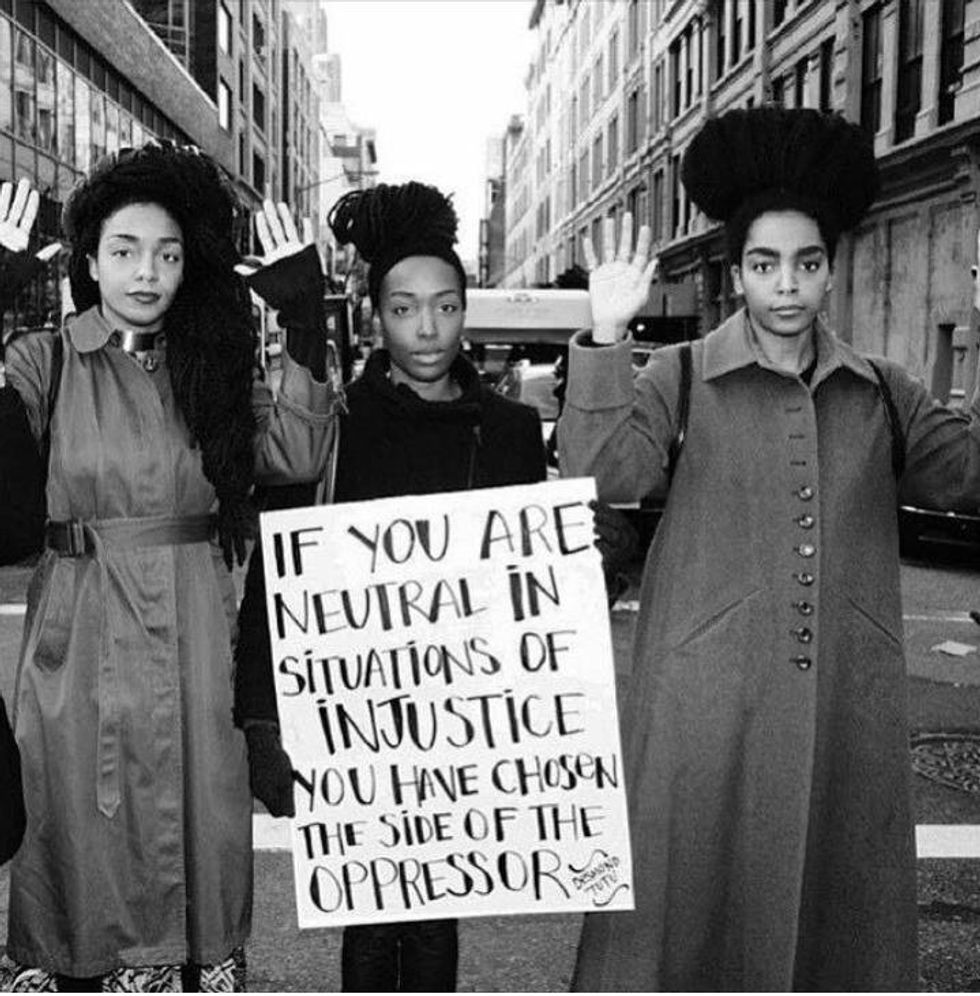
In today’s society, we often judge people with no understanding of who they are. There’s no denying it - we’re all guilty. Injustices occur daily across the nation regarding race, religion, sexual orientation, and even body image. Students are no exception. Students experience injustices daily because of their race, religion or looks. We often develop certain stereotypes about others because of the way we have been raised, or because of the way our friends act towards others. In the past months, the U.S. has seen countless acts of injustices to countless groups of people. Whether it’s Ahmed Mohamed, Caitlyn Jenner, or the victims of the Charleston shooting, there have been too many stories of intolerance. Fourteen students from five different schools share their stories.
University of Houston | The University of Alabama |
University of South Florida | University of North Georgia
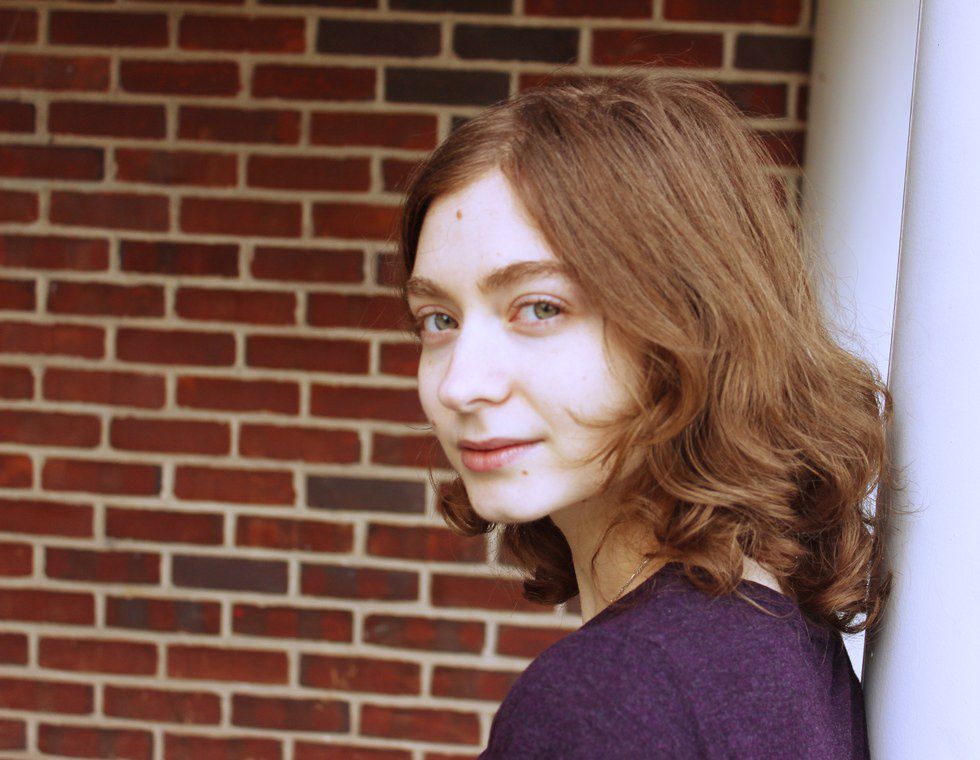
"Since there aren’t many Orthodox Jews on campus, I get a lot of comments like “Super Jew.” And the thing is, I’m not on such high level. I’m very modern, and I do things that aren’t considered okay in some stricter communities. Don’t get me wrong, I keep kosher, I keep Shabbas, and I consider myself to be orthodox, but there’s such a wide spectrum. I’m on the standard level. [That being said] every day I’m affected by my religion. Every day I have to get kosher food, say a blessing over everything, and every weekend I won’t be using technology Friday-night to Saturday-night. Especially as a college student, it means I miss out on a lot of socializing that happens here. Going to class on the holiday really sucks. I know that I have to do it, especially since I had an issue with a professor last semester regarding it. It definitely takes away from my experience, especially on Rosh Hashanah which is supposed to be about repentance. I sometimes feel like I’m missing a part of myself. In the back of my head I worry about the balance. And then people are like “let’s go to Hillel afterwards!” and I can’t because I have to work, since I’m going back into all these days where I can’t use technology again. So there’s a lot of guilt and a lot of isolation." - Esther Kruman
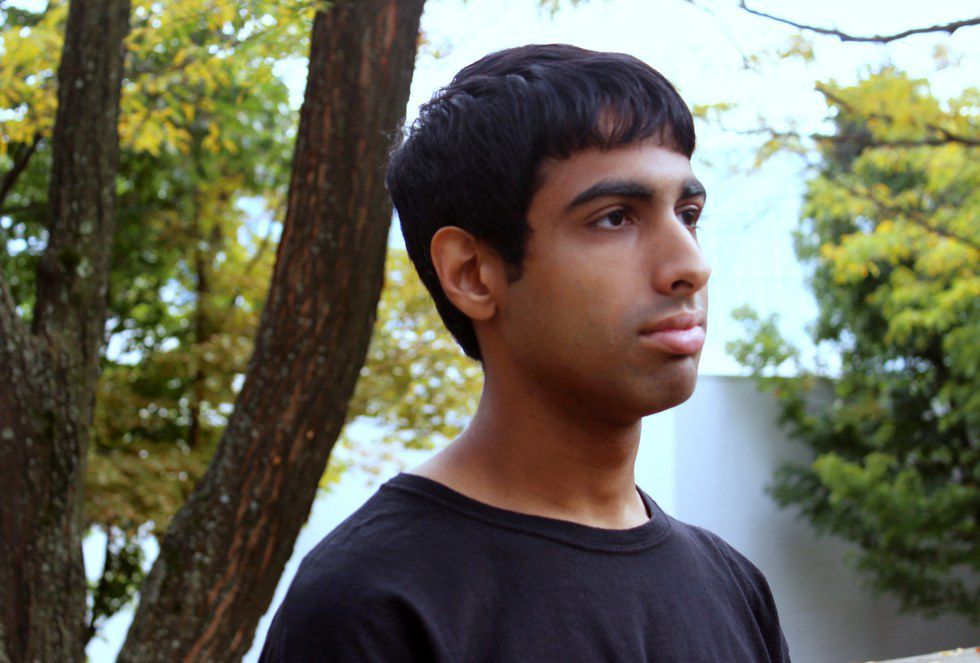
"When I came to campus, I knew that I was going to be a minority no matter what, being Indian, let alone an atheist, or even being from a Hindu background. No matter what, I was going to be that token person. I just wanted to fit in, to be a normal guy. And I know that atheism, while it’s looked at better now than it was five years ago, is still one of those subjects that aren’t good to bring up in conversation. It brings in all these conversations like, "Wait, what do you mean you don’t think God exists?' or 'Without God, how are you going to determine that this did happen or what will happen?' And I like answering questions, but some people seem to push it off as a lesser belief, even though I’m trying to present hard scientific evidence. They push it off as ‘no,' and other people hold their beliefs a lot higher than mine, which is my biggest issue. I don’t care if they don’t agree, but if they don’t accept it, I kind of get worried. Because they’re ignoring other points of view. [This is also an issue when talking about] religious freedom, which is generally pointed toward law and Christian views. I think religious freedom is great, but it should involve all points of view, or have no religion in law at all." - Krish Damany
"Overall, it's strange not to be able to talk to International Students in Chinese, and actually in general. It's like there is a boundary, and the [Chinese] International Students and the [Chinese] adopted students don't really associate. At times it seems like they just stare at us, and we stare at them like we are aliens. Which is relatively sad and odd, because we were born in the same place but are so different. There are two very different ends of the spectrum represented: the International Students, and those that look Asian and are far from it. There is no in between; there aren't many Asian/American individuals. Around Asian/Americans it feels okay to call myself Chinese. But when around International Students I am hesitant to saying I'm Chinese since honestly it's not that accurate. Adoptees often find themselves in a confusing position. We look Asian, but have been raised in an all white environment. We don't always fit in with the white homogenous environment here, but we also don't fit in with our own."
This article is meant to open eyes, start a dialogue and educate people. Injustices are fueled by fear and lack of understanding. And it's time for that to end. Please treat everyone equally and with respect. Don't be afraid to ask questions and learn something new.