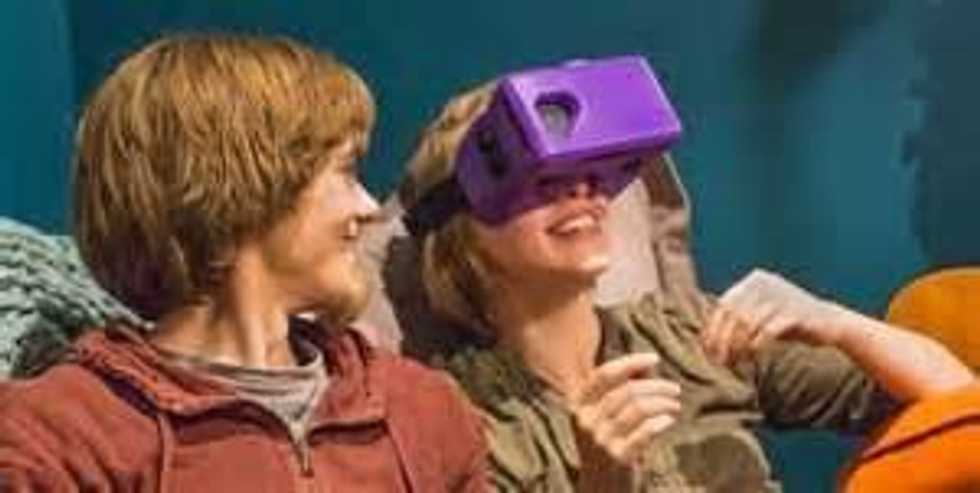
Virtual reality has always seemed to be to be something of the future or film. I never imagined a world that included virtual reality glasses without the presence of hover cars and holographs. Little did I know that the virtual reality technology has been around for some time now, and glasses have been sold since the '90s. However, they never really caught steam in most circles.
Recently, however, TOMS, the company responsible for donating shoes to underdeveloped countries, released an ad showing a virtual reality video of the company handing out the shoes to children. The 3-D interactive video is being shown in stores to give consumers a more immersive view into the lives they are impacting by purchasing TOMS brand shoes.
TOMS' "Virtual Giving Tour' has been very popular, and piqued many people's interest in this VR technology, myself included. But I figured this technology was overpriced and unattainable for a college student such as myself and wrote it off. This, however, is not the case.
I got my hands on a pair of Google Cardboard glasses, which have the cheap price tag of $2.99. The item itself is nothing of great technological praise; it is quite literally a folded cardboard box with two glass lenses in the middle. I downloaded the app that accompanied the glasses and was immediately amazed. I could spend an hour in London, gazing at the London Eye or walking next to Westminster Abbey, all from the comfort of my bed. I searched the app store for even more applications and found myself chasing dinosaurs for the better part of my afternoon. The idea and technology are simple, but the effect is enthralling.
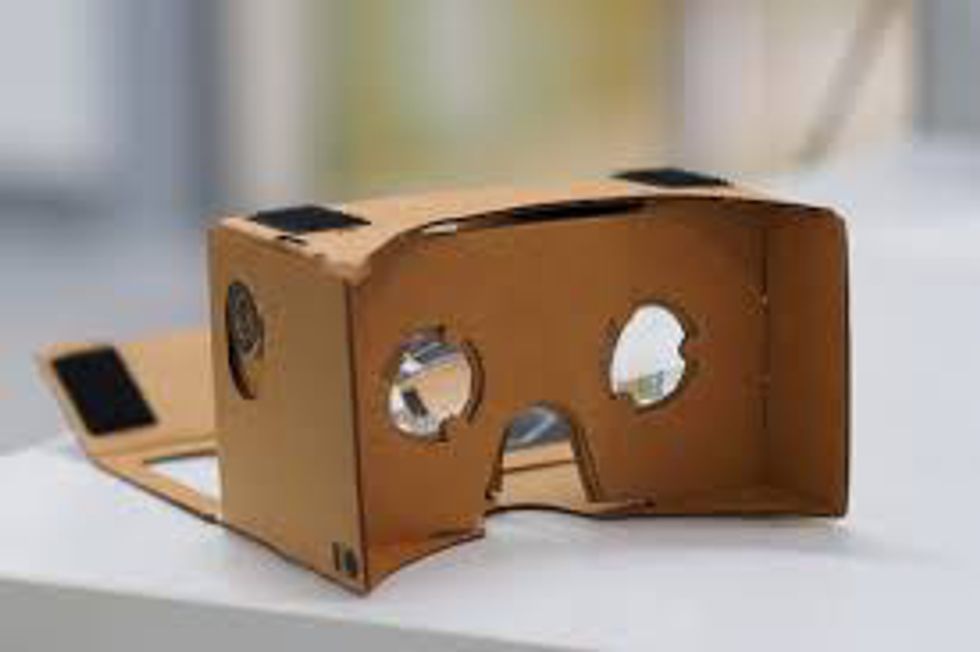
Many companies have also made glasses - including Samsung, Sony and Brookstone - but it is hard to beat the three dollar price tag on the Google version. More and more apps are being released each week that adhere to this technology. Some devices will even allow you to watch Netflix and Hulu on them in three dimensions.
I can foresee this technology having receptions that vary greatly in nature. Some will see the positives that this type of inclusive technology has to offer - that people from across the world can all but experience firsthand a place different from where they stand. However, it is equally likely that people will only see VR glasses as an extension to the already huge problem of people being stuck in technology.
Will this technology finally stick? I certainly hope so. Either way, you can find me laying on my bed, wishing I was in London.