
“If you want to learn what someone fears losing, watch what they photograph.” —Unknown
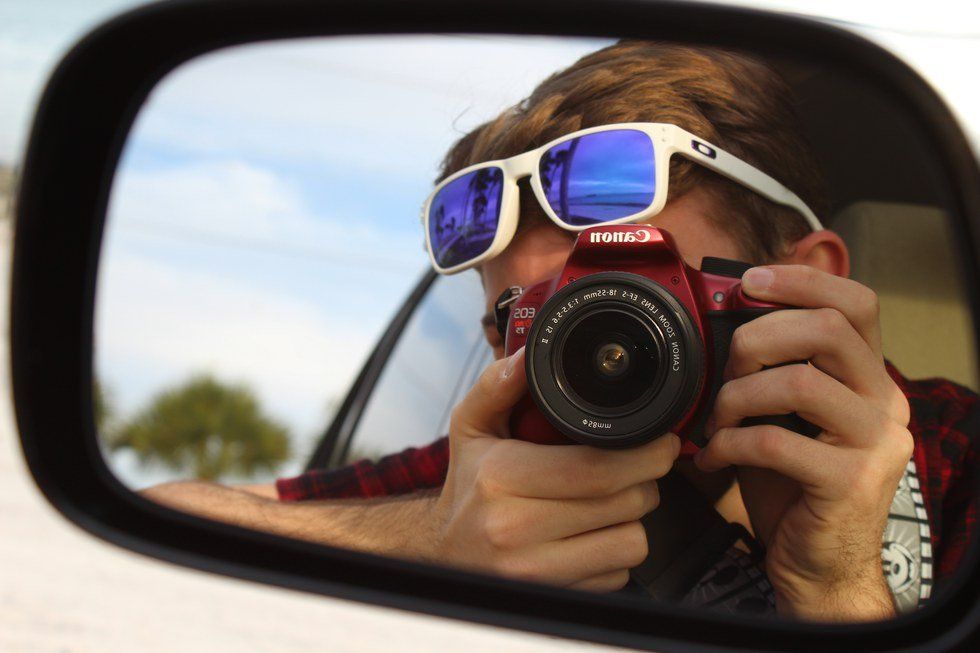
Photography has become something accessible to everyone now in today’s society. Practically every cell phone has some built in camera that enables us to take pictures while we are on the go. This easy accessibility has allowed essentially everyone to become a photographer, contrary to just a few years ago when photography was a profession and, in order to capture a moment in time, you had to carry around all your equipment where ever you went. In today’s modern era, the evolution of electronics is extraordinary. We now are always eager to take a quick picture of where we are, or what we are eating and post it on the various social media platforms that encourage this type of behavior.
Interestingly enough, we are seemingly more concerned with how many likes we can get on a picture rather than the memory it provides. Taking a picture is a revolutionary idea that allows the individual to solidify a moment in time, and freeze one second for eternity. It is said that a picture says a thousand words, and all those words that go along with the past are the feelings that were running through you, and the conversations that took place, and those who surrounded you at that time. These moments are precious, for everything can end in a moment without warning. Thus, creating a much more powerful meaning behind photography, and what the subject of that picture is based around.
The quote listed above provides a thought-provoking idea that what someone photographs exemplifies what they fear losing. Which in retrospect, is a thought that seemingly hadn’t crossed my mind prior to the discovery of such an interesting idea. In western society, we are more concerned with our material goods rather than those we spend time with, and that hold a special place in our hearts. Why is that? We possibly figure that these things or individuals will always be there for they always have. However, the fact that they may no longer be there one day is something that doesn’t cross a lot of people’s minds. The idea of loss or death in our society is almost a taboo that no one wishes to acknowledge.
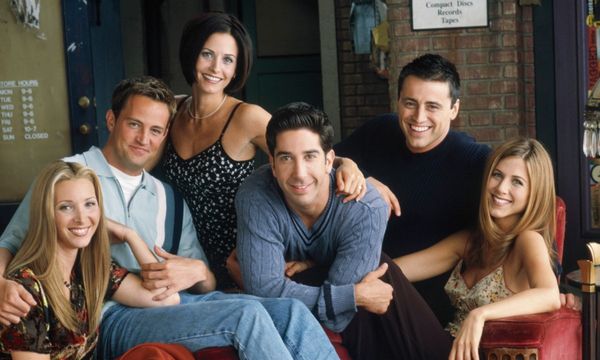
To test this theory, simply scroll through social media and take into account how many of those pictures are things other than people. Eliminating those submissions, how many of these pictures that you encounter are taken with that person, rather than being victim to a simple hashtag for a certain day of the week if you will. Simply just by thinking through past experiences, these numbers drop drastically to very minimal numbers in comparison to the number that was started with. If you think back to the start of photography, food or settings weren’t the focal point of pictures, but rather who was in the picture.
Why is it that we fear to lose our wealth or social status, but seemingly set aside our friends and family? That meal that may have been presented beautifully is not going to last long in terms of memory. That warm feeling you get when you are around those you love will stick with you forever. Our material goods are just bonuses of living. According to Maslow’s Hierarchy, our basic principles of survival are broken down into seemingly simple things, yet things that are taken for granted. The third level of this pyramid model is in regards to relationships. We need social interaction, and we require the affection of others.
We all wish to be loved and to have someone to call our best friend. However when they are gone, the obsession of those additions to life lose all meaning, and that person comes to the forefront of emotions. Don’t take life for granted. Appreciate the little things that may seem unimportant because when looking at how existential life is, it means a lot. We always wish we had something different when the sad state of reality sets in. Whether it be spending more time with someone, or focusing on something more, rather than becoming lost in the digital world.
That picture will say more than a thousand words, and will speak for itself if you listen. Photography is an outlet of emotion and ideas with no need for context or captioning. A portrait of someone can speak a lot as to what both the photographer and subject are feeling. Every detail accounts for what is happening in that moment in time, and if you simply glance over it, time will be lost and it now is just another collage of some form of color medium.