

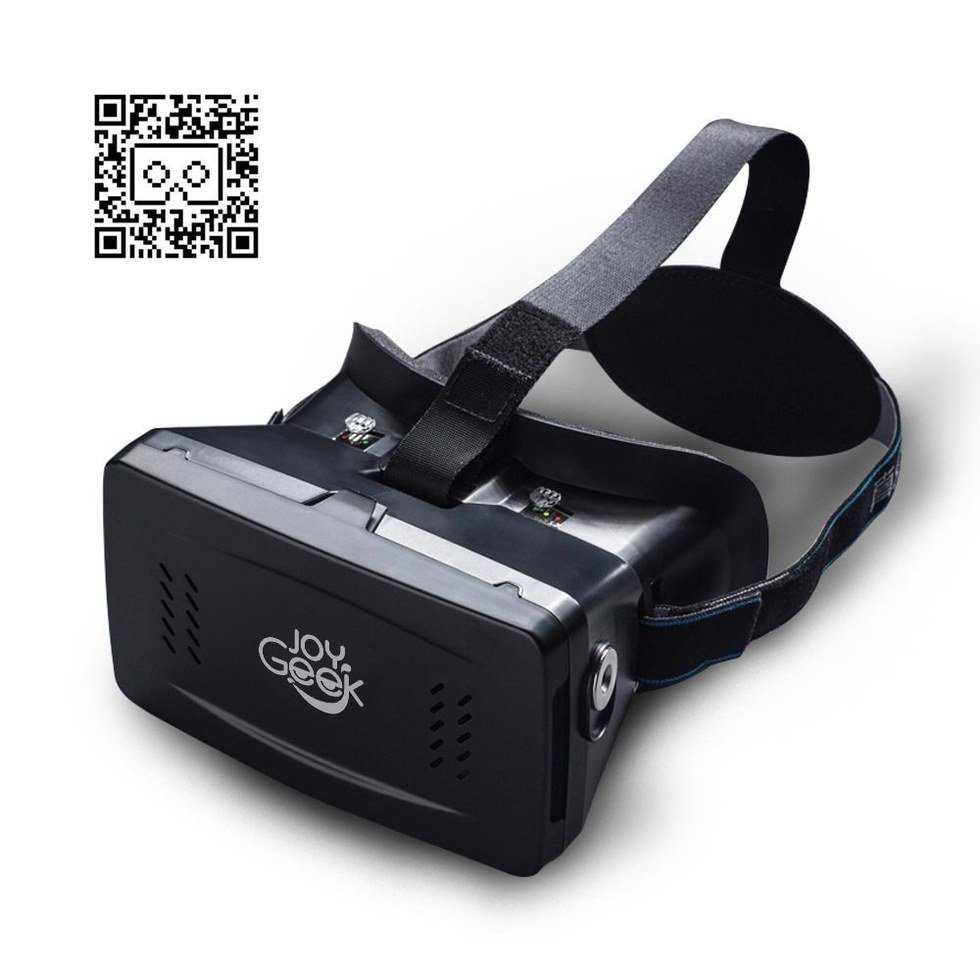
Mobile Virtual Reality is a great entry level VR experience for the consumer. Once a smartphone is in hand, one can buy a Head Mounted Display (HMD) from Amazon for as low as $10! The next step requires the free Google Cardboard app from the app store.
After that, many go on to experience a wide range of games on mobile interfaces with some FPS drop, while a select few escape stutter struggle. One common element between all smartphones is the uncomfortable feeling of heat on the palm of your hand. There are ways to reduce the heat when the phone's in your hand, but it’s a bit difficult when the phone is in a cardboard portal to a virtual reality that few in your family have had the chance to explore.
Many Google Cardboard Head Mounted Displays come with vent holes installed on the phone plate, keeping the phone from falling out. I’ve found that this is not enough. My Motorola Droid Turbo (3GB RAM & 2560x1440 display res) will get through one round of “Deep Space VR” and nearly reach its temperature limit. That’s just more than 10 minutes of galactic battles running around 20-30 FPS at best. I’ve been playing games since I was three, and I know enough to say that FPS is not pleasant. Now I understand the phone is not packed with an overclocked i7-6700k alongside an NVIDIA 980 Ti. The components are too big for now. But shouldn’t the phone games be made around the phone specs? I don’t know right now because I haven’t developed a game, let alone a phone game. Anyway, I’ve taken the liberty to manipulate my $22 mobile VR headset to have large holes in the flip-up back right behind the phone. I didn’t stop there. No, I installed a fan in one side and left the other untouched.
You will have to imagine it. I don’t have a photo with the fan attached.
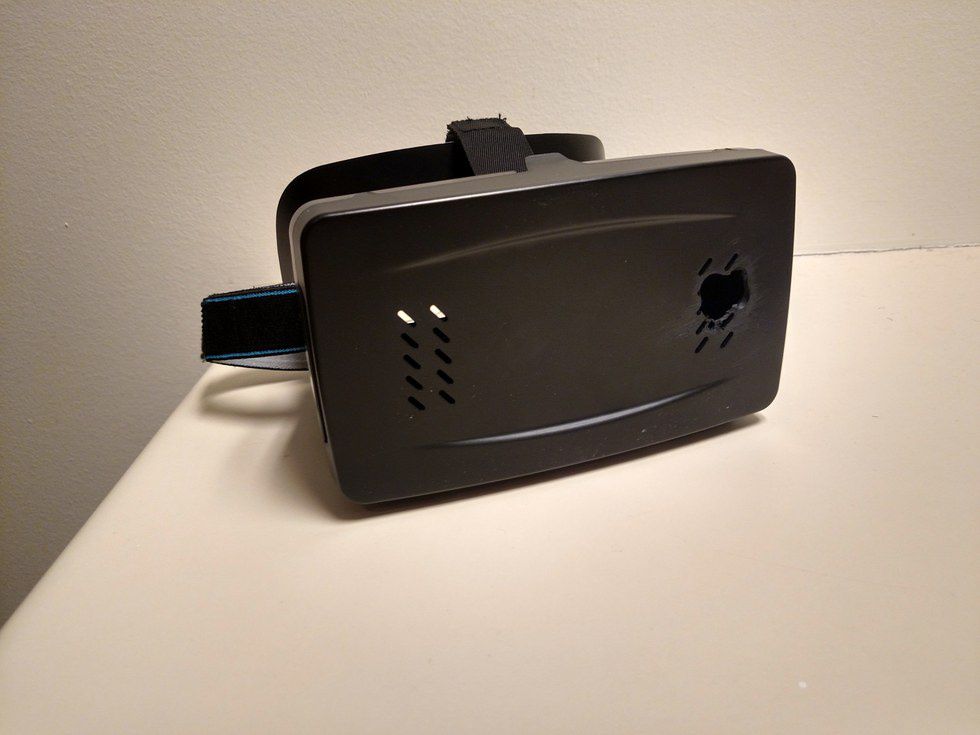
My goal was the development of a cross flow from one side to the next, and I immediately, and I mean immediately, felt a difference in the heat directly around the phone.
It took two rounds in the game to reach previous temperatures. Yes, it’s only one more game, but that’s twice as long as before! I didn’t record the temperature because I wasn’t feeling very scientific at the time. I’ll get around to it, but after taking the phone out of the apparatus and using the sense of touch, there was a noticeable difference.
If companies like Google and Samsung want to keep pushing for a consumer base in Mobile Virtual Reality, the heat problem must be addressed. Large companies could find a way, but I encourage anyone willing to tinker with Google Cardboard to improve the heat problems caused by Mobile Virtual Reality.