I am a sellout -- a cog in the machine.
Identified in a system by a series of numbers, I communicate almost strictly through email with an automated signature of my job title and department. Everything is decided by meetings. I work 9-5, five days per week, on the same schedule every week. But contrary to many millennials' perception of big business, I am making a difference, and I am happy.
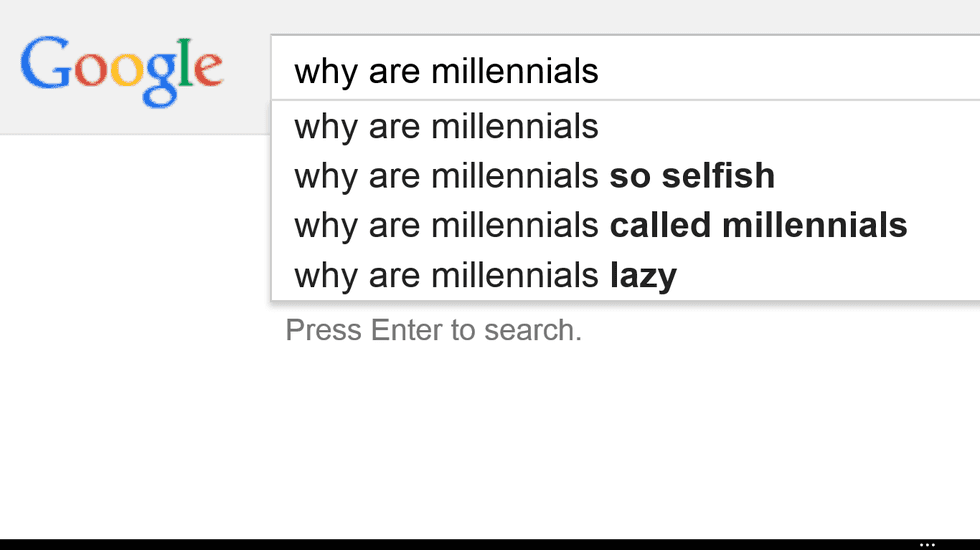
By 2020, 86 million millennials will comprise almost half of the workforce. The class of 2015 graduated with an average college debt of $35k, and millennials in their late twenties battle an average of $47k. Labeled as lazy and entitled, millennials have changed the way modern communication has integrated into our lives. Look at Mark Zuckerberg, founder of Facebook, born in 1984. Millennials are progress-focused and want to change the world instead of rule it. But in my conversations with college students and graduates, I found resistance to corporate, high-paying jobs -- the very types of positions responsible for the change millennials want. Money is not a millennial priority; just 57 percent of young Americans want to learn new skills and make a lot of money on their first job, and 60 percent of surveyed 2015 graduates would sacrifice a pay cut for a fun work environment.
The resistance to jobs in big business is not surprising. Millennials don’t want to be a cog. They want to be heard. They want to be coached, not lectured. They want flexible hours but seek regular validation and feedback. Nationally, 72 percent of millennials want to be their own boss, but if they had one, 79 percent want a boss that acts as a mentor. They view fellow graduates who donned the corporate uniform as sellouts to the system -- their authenticity and personality compromised by "The Man" -- a view perpetuated by Gen-X parents and constant pressure by the working class to earn financial independence. As a millennial myself, I understand this resistance; I’ve been lectured my whole life and had a work ethic beaten into my psyche. Millennials want to own their identity and highly value life experience, which explains why most social feeds feature year-long, post-graduate overseas trips and selfies at festivals and parties. While we are the empathetic, progress-oriented generation invested in changing the world, we invented a device to excuse our poor judgment. #Yolo #sorrynotsorry.
Millennials are the most educated generation, possess immense empathy, and want to change the world, yet they resist working for big businesses that can do it. This is where the entitlement stigma comes from: they're unwilling to follow The Man’s rules, but complain that there isn’t enough being done. Can we change the world without compromising our identities? Is selling out to big business -- a phrase uttered with the enthusiasm of drinking the flat, warm beer left after a house party -- the only way to make the change? No, but it sure helps. Our identities do not have to suffer. You can work a corporate position and follow orders every day, or you can propose new ones, lean into disruption, and empower others to do the same.
Before I sat down to write this, I recalled an article about Brian Acton, co-founder of WhatsApp. He was denied jobs at Twitter and Facebook, but saw the collective need for another stream of communication and empowered others to fill it. WhatsApp was purchased by Facebook in 2014 for $19 billion dollars, where Acton is now a capital owner. How’s that for “selling out?"
So go ahead, take a trip, get away, focus on being the real you and not who people want you to be. Don’t want to work for big business? Then don’t. Don’t want to be a cog in the machine? Then don’t. But remember that the change you want in the world is dependent on the decisions of those in power. You can view them as apathetic, greedy, power-hungry moguls, or you can view them as tools waiting for the right hands to use them.