
The language used in the media not only dictates how viewers perceive events, but also the way the public places value on the lives of those lost featured in the news. This is an especially pertinent problem right now while Americans are witnessing the genocide of young black men at the hands of police — who go almost completely unpunished. The language used to describe these victims of violence controls the perception people have of them, which, in turn, controls the way their lives are valued. When some lives are valued differently than others, there exists an inexcusable gap in the justice system.
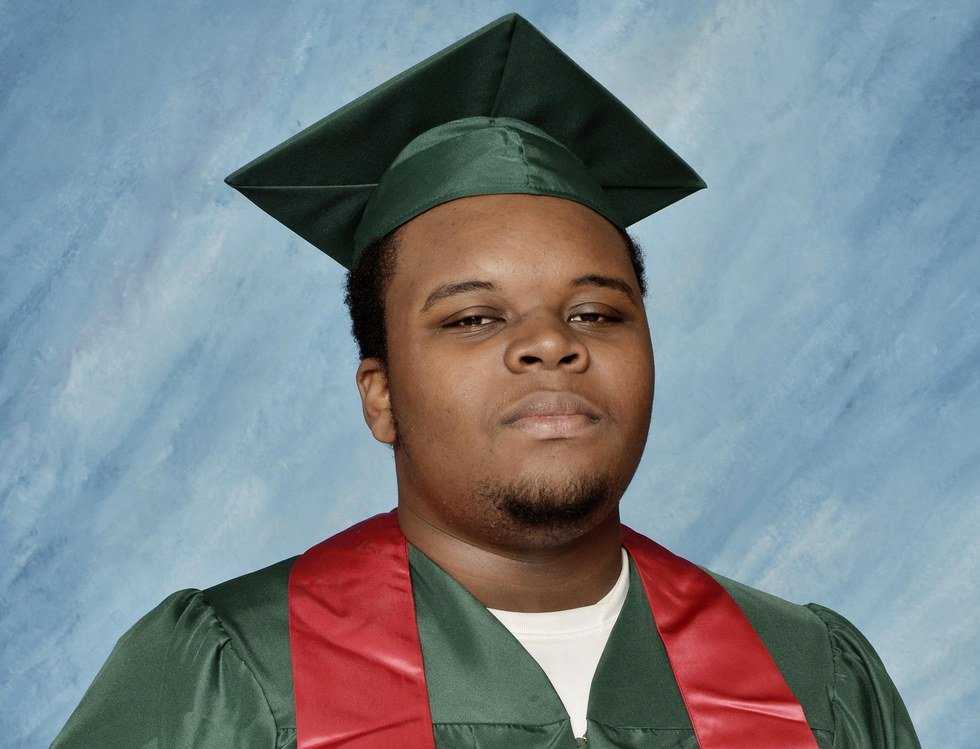
After news media reports an immensely tragic murder, it is no time at all before the facts of the case are paired with analysis and commentary. With this inevitably comes insurmountable bias. The case of Ferguson, Missouri teen Michael Brown was no exception. Only a few days after the news of Brown’s death spread across the nation, Fox News decided to examine the bias in earlier news reports that described Brown as an "unarmed teen." However, within the entirety of the four-minute discussion between Fox contributor Linda Chavez and Fox and Friends cohost Steve Doocy, they failed to explain how describing Brown as an unarmed teenager, bearing in mind there was no weapon in his possession when officer Darren Wilson attempted to unload 12 bullets into him, exhibited any real bias at all.
Their failure to do so likely stems from the pure fact that Brown, 18 years old at the time of his murder last August, was indeed an unarmed teen. Chavez argued that this description, although accurate and confirmed by Wilson himself, failed to give the public the “full picture” of the nearly 300-pound teen. She went on to describe surveillance video footage form the convenient store Brown was alleged to have shoplifted from minutes before Wilson stopped him in the street. Chavez expressed her concern that the way Brown is described “does in fact color the outcome.” Obviously this is true, but would the outcome not be “colored” to favor a certain side if Brown was portrayed as the criminal she and other sources have tried so hard to make him out to be?
Brown's case reached its somber one year anniversary this month. Criminalizing victims is a common strategy used by the media in many cases to divert attention from the tragedy of death in an attempt to justify those deaths. This strips the guilty parties of their responsibility and creates an image that will work for their defense. This criminalization tactic can also be observed in the case of a Mississippi man, Otis Byrd, found hanging dead from a tree in early March. In initial reports of his death, now likely ruled a homicide, the majority of news outlets chose to describe Byrd as recently released from prison for a robbery-turned-murder. In these news stories, Byrd’s humanity was defined strictly by his criminal record and a devastating dehumanization of black Americans. If we allow this marginalized group to be portrayed as less than human, we are allowing their lives to become more dispensable than others. During the trial for the indictment of Wilson, Wilson’s description of Brown—a description he had plenty of time to craft—did just this.
Wilson described Brown as a “demon” and said he “felt like a five-year-old holding onto Hulk Hogan” when struggling against him. While it is impossible to say how Wilson really felt during the entire confrontation, we do know that there was only an 80-pound difference between Brown and the professionally trained police officer. Wilson’s careful use of language to describe Brown “grunting” and his “aggressive” demeanor allowed him to portray himself as a victim against someone he never once described as the teenager he factually was. Wilson’s description didn't even describe Brown as man. Instead, Wilson painted a picture of a dangerous savage that he had no choice but to leave lying dead in the street. Unfortunately, this is a tactic that is usually successful in the prosecution of black Americans and in the defense of those who murder them.
Chavez points out in an editorial, published the day before her discussion with Doocy, that, being 18 years old, Brown was “an adult by all legal standards.” This was true. However, there were no headlines disputing this. Nobody attempted to describe Brown as a child—simply a teenager. While there is some controversy over the fine legal line between a teen and an adult, with all legal definitions aside, there is little room to argue that 18 is an acceptable age for anyone to have his or her life taken. Diving into arguments over legal age or any other minor detail distracts Americans from this real issue. The media knows that if we are too occupied with the fine lines, we will fail to see the larger underlying issues of racism and racial profiling that they are covering up.