The Arab Spring of 2011 became one of the biggest mass movement to happen in the Middle East and North Africa. Tunisia was successful in removing its authoritarian regime. However, most countries that participated in the mass movement were not as successful. In particular, the mass movement in Syria turned into a civil war. This conflict started when Syrian President Bashar Al-Assad took down protests in a violent way. Since then, many groups and outside nations have intervened. To understand the war in Syria, one needs to know the groups that have a hand in the conflict.
The Rebel groups, such as the Free Syrian Army, which are fighting against the Bashar regime are backed by the United States, Turkey, Saudi Arabia and Qatar. The U.S and the other nations have declared their opposition to the Bashar regime. These countries also oppose the Islamic State of Iraq and Syria (ISIS) which is a terrorist group currently taking land from Syria and controlling it. However, recently ISIS has lost about 45% of the territory it controlled in Syria. The U.S, Saudi Arabia, and Qatar have dropped airstrikes on ISIS. The U.S has also aided certain rebel groups with training and weapons. The Kurdish minority group of Syria affected by this conflict have had their lands taken from them by ISIS groups. But the Syrian Kurdish minority has the support of other Kurdish groups in Iraq, and Turkey.
The Syrian government and Bashar al-Assad have the support of Iran, Russia and Hezbollah. Iran and Russia provide weapons and aid to the Syrian government. Putin has supported al-Assad since the start of the civil war. Russia has dropped bombs in Syria claiming that it wants to fight terrorist groups such as ISIS while Hezbollah, a Lebanese Shia militant group, has provided Syria with fighters that are willing to die for al-Assad.
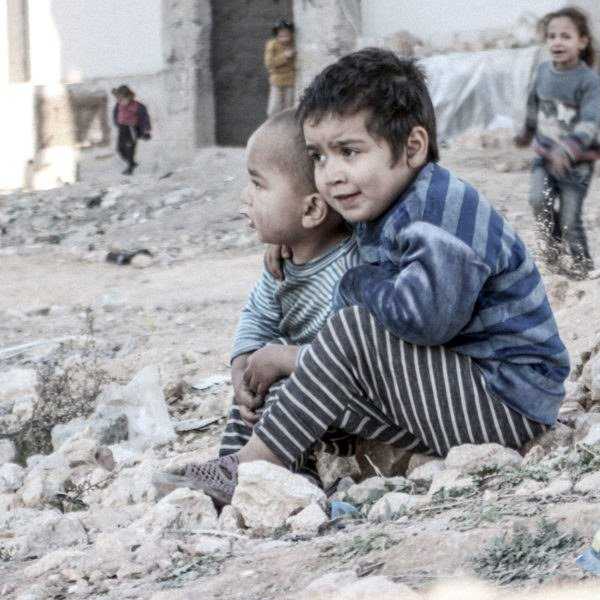
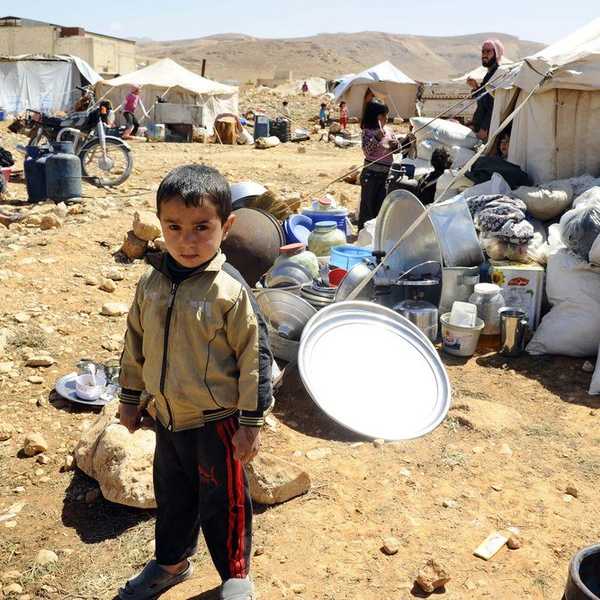
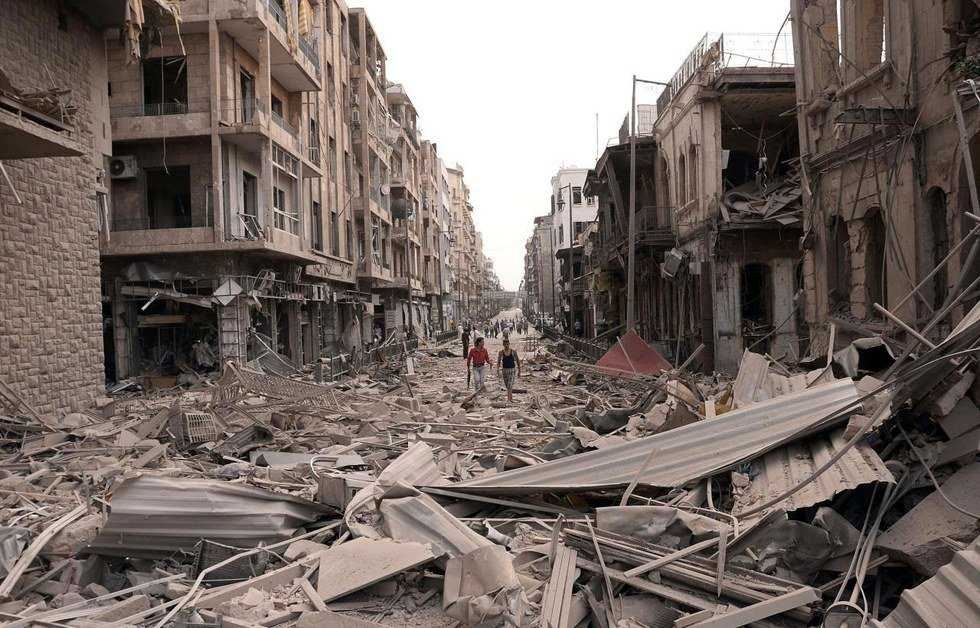
The effects of the civil war on Syrians has been damaging. Many families have been displaced, separated or completely destroyed. About 6 million people have been internally displaced, with 4 million people living as refugees aboard. 2.4 million of whom are children.Most refugees live in neighboring Turkey, but some Syrians also leave for Europe, Lebanon, Jordan, and the U.S. More than tenth of the population has been killed or injured with an estimated 470,000 deaths. Most hospitals and medical facilities have been destroyed. Many doctors and nurses have fled the war. Leaving many people in desperate need of medical attention.In 2011, the Syrian people protested against an authoritarian regime. However, the protests turned violent and they found themselves going through a civil war. The Free Syrian Army backed by the U.S, Turkey and Gulf States are fighting against Basher al-Assad. The Syrian government has the support of Russia, Iran and Hezbollah. Amidst this conflict is ISIS, taking and controlling land from the people. The Syrian people find themselves in a devastating situation, with many people getting injured or fleeing.