In today’s age, we use social media as a way to masquerade our everyday lives. We create an online presence and get tamper with it, morphing and blurring the imperfect, until the façade is complete. It’s as if we’re scared to let out followers know that we, just as them, are human too. But what if, below the surface of detox teas and waist trainers, there was a whole different world of social media hidden under the jumble of endorsements and facetunes that fill our popular page?
Well, finding this world isn’t as hard as you may think. Filled with glimmering hope and never-ending support, the existence of eating disorder recovery blogs is one that has helped hundreds of people begin, stay, and even document their journey into recovering from “ED”. A notoriously secretive disease, the people behind the movement use the platform to open the conversation, discuss their own struggles, and let others know that they are never alone. To understand and delve into the other side, I reached out to an amazing young woman who has used YouTube to share her story and inspire others.
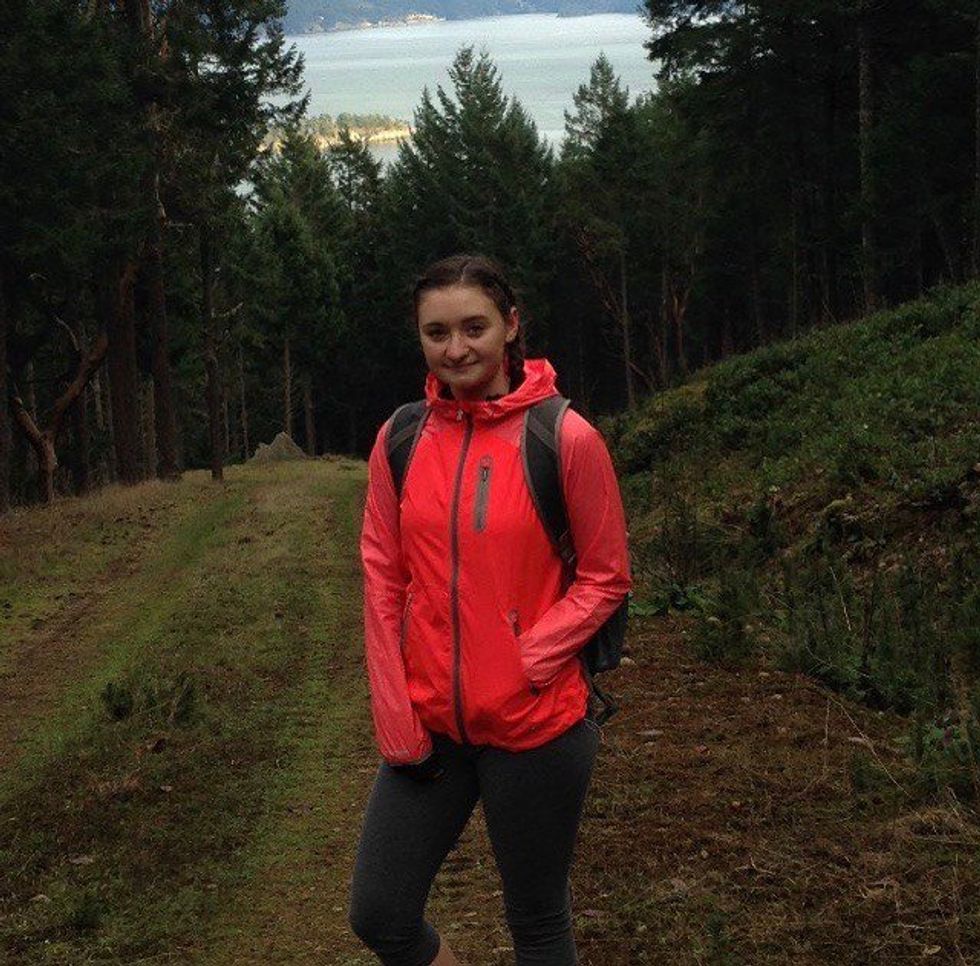
Lydia, also known as “Lydia’s Fight” on YouTube, is currently in recovery from an eating disorder and started her channel to not only discuss her personal journey with mental health, but to give advice and kind words to those also struggling. An 18 y/o student, Lydia discussed why social media was a great outlet and also the importance of raising awareness to the truth about recovery.
Me: Can you give a little backstory on what triggered your eating disorder and what made you want to recover?
Lydia: My eating disorder first began to appear when I resolved to go to the gym and eat healthier, inspired by multiple “beach body” pictures I'd seen online. Beneath those behaviours, my eating disorder stemmed from a belief that I wasn't good enough the way I was. Years later, my desire to recover came from finally seeing all that my eating disorder had taken away from me. Seeing all of the opportunities I'd missed while at home weighing my food was a huge reality check and was my first motivation to change.
Me: What made you decide to continue documenting your recovery journey through YouTube?
Lydia: At my sickest, I remember scouring the internet for anything that would help me see through the lies my eating disorder was telling me, remind me of the truths I couldn't think for myself, and give me some motivation to fight back. At the time, I was unable to find anything. Through my videos, I hope to create the presence, support, and motivation that I needed when I was in the depths of my eating disorder to help others that are struggling.
Me: Why do you think social media is such a great platform for people in recovery to connect?
Lydia: Mental health problems are rarely spoken about in our day-to-day lives and people's perceptions of eating disorders are often inaccurate or riddled with harmful stereotypes. Eating disorders are incredibly isolating and it's very hard to reach out for the support you need, particularly when people don't understand the illness. On social media, with the security of anonymity and the camaraderie of others having a similar experience, it's much easier to reach out, share your story, and connect with and support others. It's a great outlet to have when you feel lonely and removed from the people around you or need some extra motivation or support.
Me: Did you have any concerns with sharing your story on such a public platform?
Lydia: Yes. As I'm typically a very private person, few people in my life knew about my eating disorder. Opening up about it publicly, where anyone could know about my struggle, was initially very hard. The subsequent outpouring of support I received was remarkable, and the messages, comments, and emails I have received from those who watch my videos has been so rewarding. I am learning to be proud of my videos and what I am doing instead of feeling the shame that used to accompany exposing my struggle.
Me: Do you think social media can help educate people who may only recognize the stereotypes in eating disorders?
Lydia: Recently, there has been an increasing amount of exposure on social media about eating disorders--some positive and some negative. As more people raise awareness and open up about their struggles online, the stigma, stereotypes, and harmful myths about eating disorders will gradually lessen. We still have a long way to go, but social media is giving those with eating disorders a voice and beginning to dispel the stereotypes.
Me: What’s something you wish more people knew about the recovery process?
Lydia: I wish more people knew how hard recovery is and how long it takes. Working on recovery is by far the most difficult thing I've experienced. It's an all consuming war in my head, as I try and fight a deceitful illness that promises me everything. It's a constant battle, invisible as soon as I appear healthy, that takes more strength than I could have imagined. Recovery takes years, it's not something that's finished with weight restoration. If you know anyone recovering from an eating disorder, give them a hug--it's really, really hard, and takes a very long time!
If you or anyone you know is currently in recovery, would like a little more information on recovery, or even has any questions on how to help a struggling loved one, I would 100 percent recommend checking out Lydia's channel:
https://www.youtube.com/channel/UCViPVqR5PynTe8Ah3...
Also, a few more resources for anyone who is in need of a helping hand or additional information: