
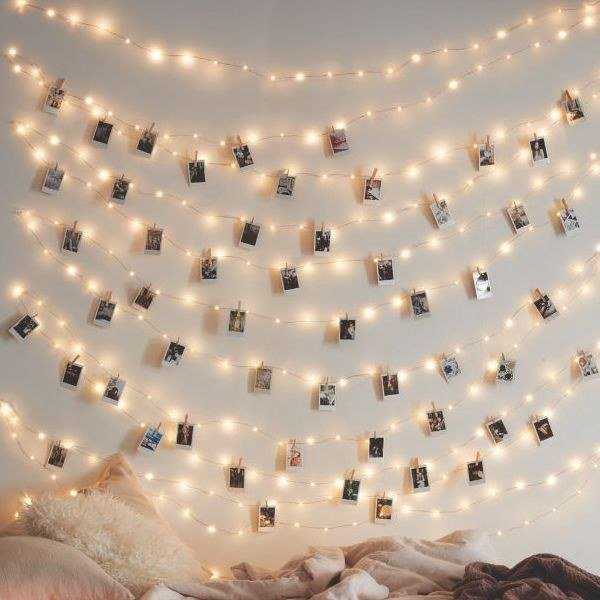
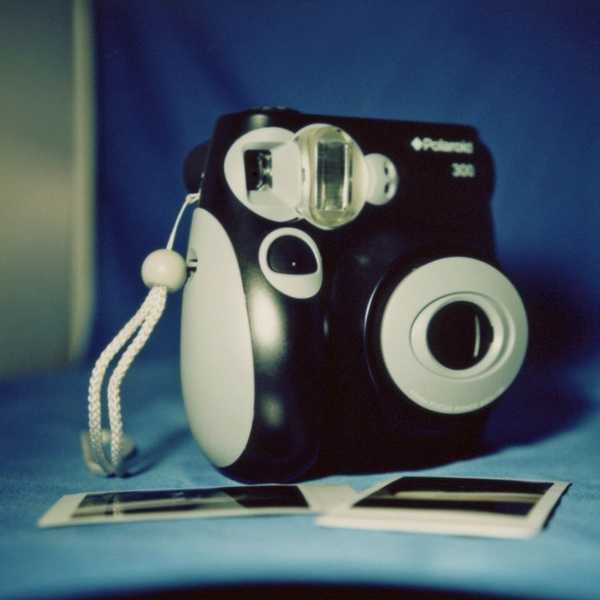
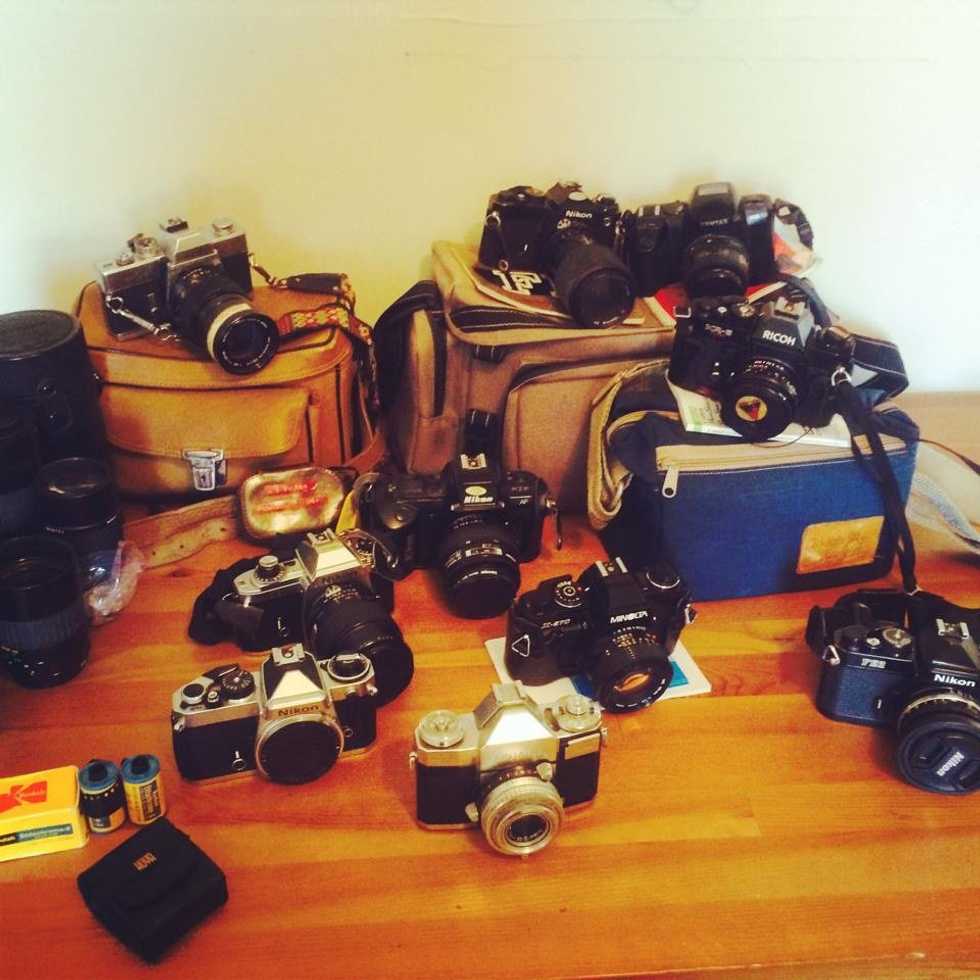
Growing up, I distinctly remember all of my relatives having at least one shelf dedicated to a specific kind of book: photo albums. Pages on pages of plastic sleeves holding printed memories, moments of time frozen in four by six, emotion pouring out of each glossy, ink-filled corner. We don't really have those anymore, and something about the thought of it evokes a certain nostalgia.
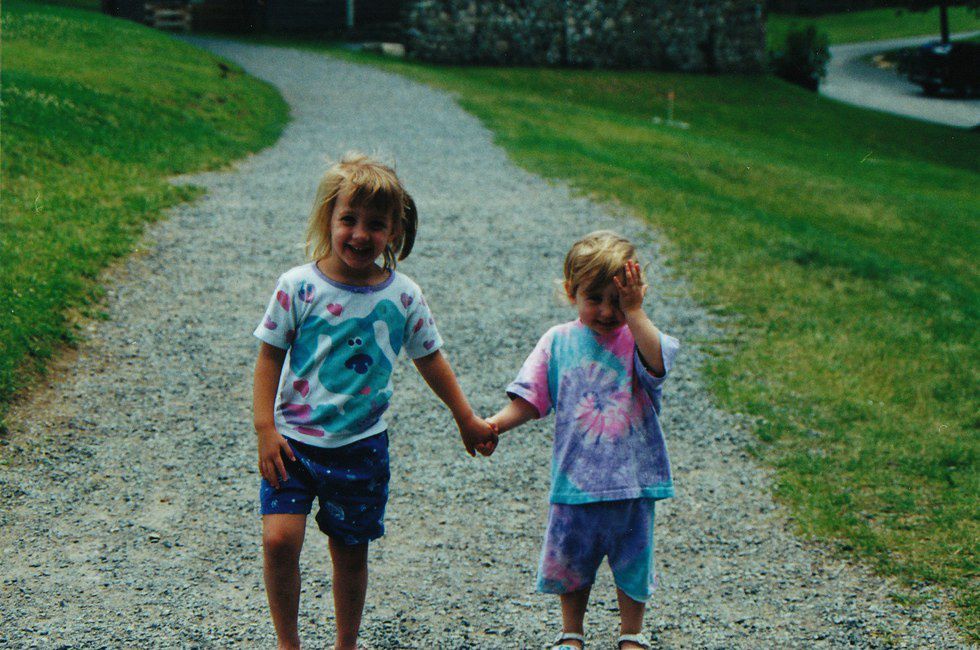
Don't get me wrong, I love the availability of modern photography. Being able to click through memories from the comfort of my own couch is incredibly convenient, and so easy to share with the people involved. The camera on my phone has captured everything from exuberance to more embarrassment than I care to admit. But there's something to film photography and development that I think people have forgotten in the world of display screens and instant printing.
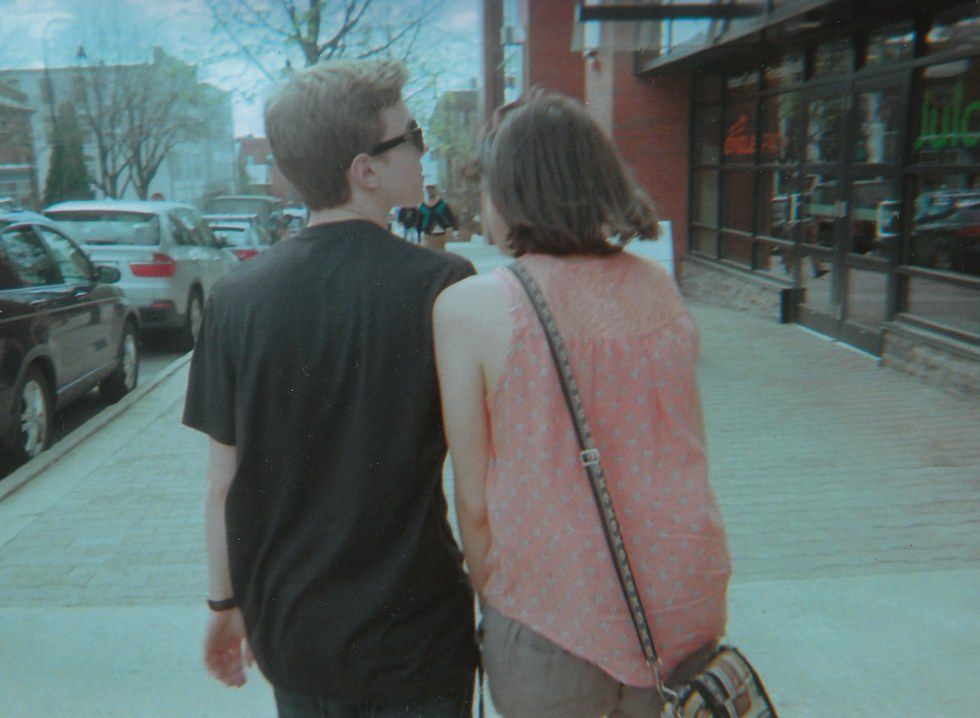
I use disposable cameras, even though I have a perfectly capable DSLR camera (my pride and joy). There's something exciting about sending my little boxes of film away —with untold and unremembered memories captured on brown strips — while I wait anxiously for them to be returned to my awaiting arms and eyes. Pictures and moments I would never have remembered on my own suddenly come rushing back to me.
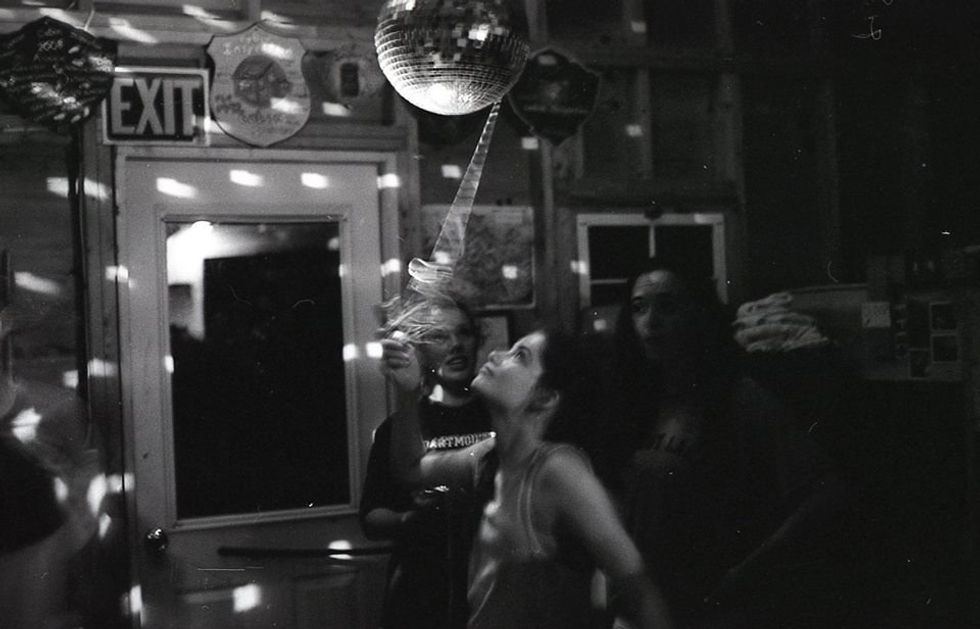
Recently, I've surrounded myself with a few individuals who have delved into the science and mathematics of self-developing, including my little sister, who has set up a makeshift darkroom in our basement. Watching her go through the process is like watching sorcery. It is much more of a delicate, intricate process than people know or give credit to. It's a series of meticulously timed chemical technique.
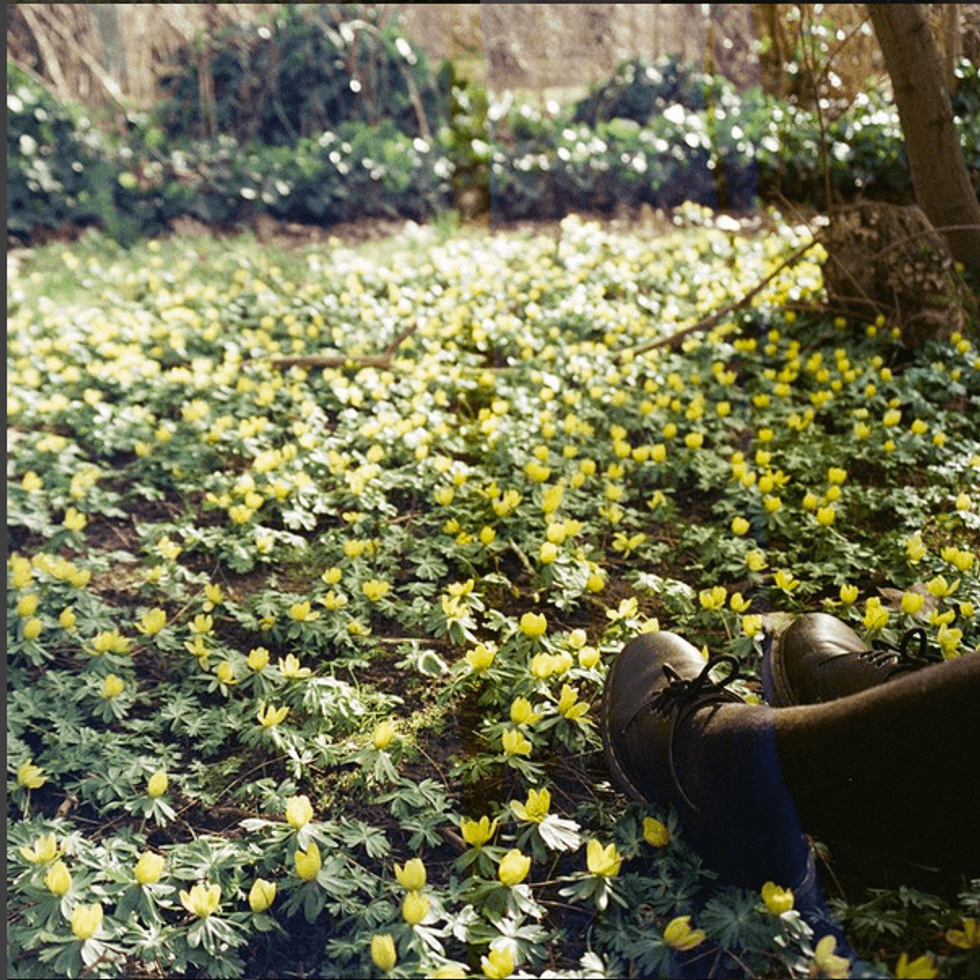
Not to mention, there's so much room for experimentation. Soaking films in different juices or other liquids can produce different effects (which Instagram should probably look into replicating at some point in the near future). Manipulation of contrast and exposure starts within the camera itself, but unlike adjusting it with digital film, it's all a guessing game that begins with the taking of the photo and might not end until several versions of print later.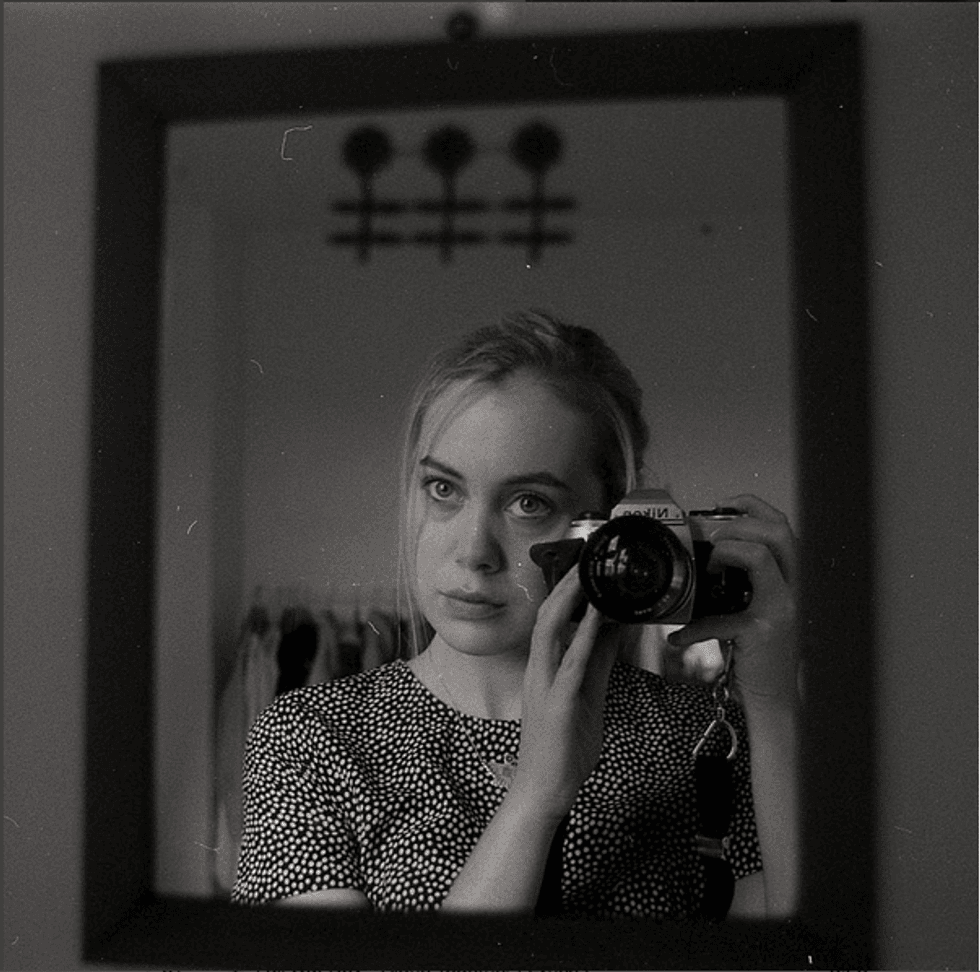
I miss the nostalgia evocation of simply having photo albums, and I've started keeping my own. But film photography is somewhat of lost art, one that is slowly on the rise, but one that needs to be making more of a comeback. It's the little things, but the things that need to be remembered.
Featured Film Friends: Lilje Lawson, Olivia Ridge, Juliet Gelfman-Randazzo.

















