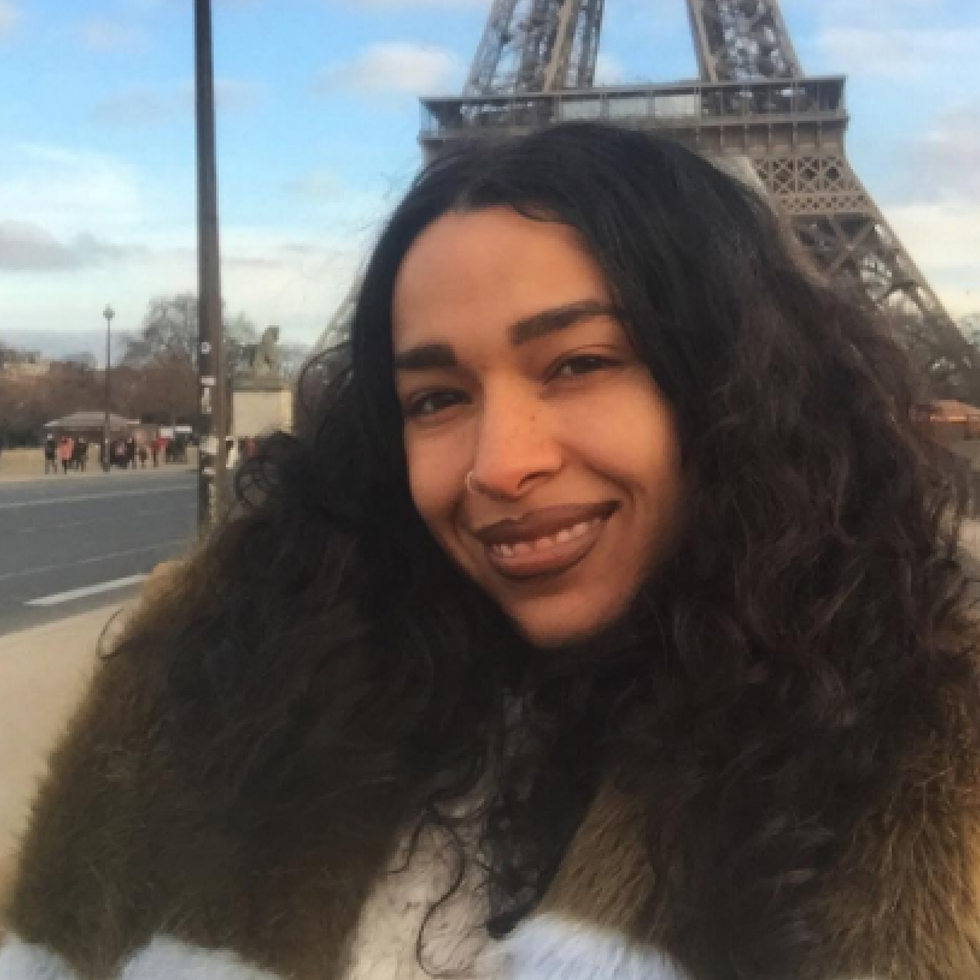
Destiny Frasqueri is not someone who needs an introduction. She describes herself as 'a queer woman who isn't burdened, but empowered by her complexity' and a self-coined 'New York City Aficionado'. Princess Nokia is an independent alternative hip-hop artist that is based in New York City.
When I first discovered Princess Nokia, I was very awed by her openness with a lot of things, such as her sexuality, her racial identity — as she is an indigenous Afro-Nuyorican. Another thing I noticed about Destiny was her spirituality and admiration for self-care and nature.
In an interview I watched, she talked about her upbringing in between Spanish Harlem and Lower East Side, her experiences in foster care and the attitudes one had to adapt to survive living in the ghetto. During the interview, she discussed the traditional mindset society has sort-of forced on black and brown women and she counters it with the feelings that black and brown feminists place on women of their race.
At the Brown University Women History Series 2017, Princess Nokia was a special guest at the final event. At the conversation, she said the reason why she calls her concerts "a safe space for women of color and queer women," is because it was very uncomfortable when she started performing, and she was lackadaisical with her shows — since she was a queer woman of color in a field dominated by straight men. However, as she grew as a performer she realized that her art would be meaningless to her if she didn't put the effort in it and make it significant to someone else.
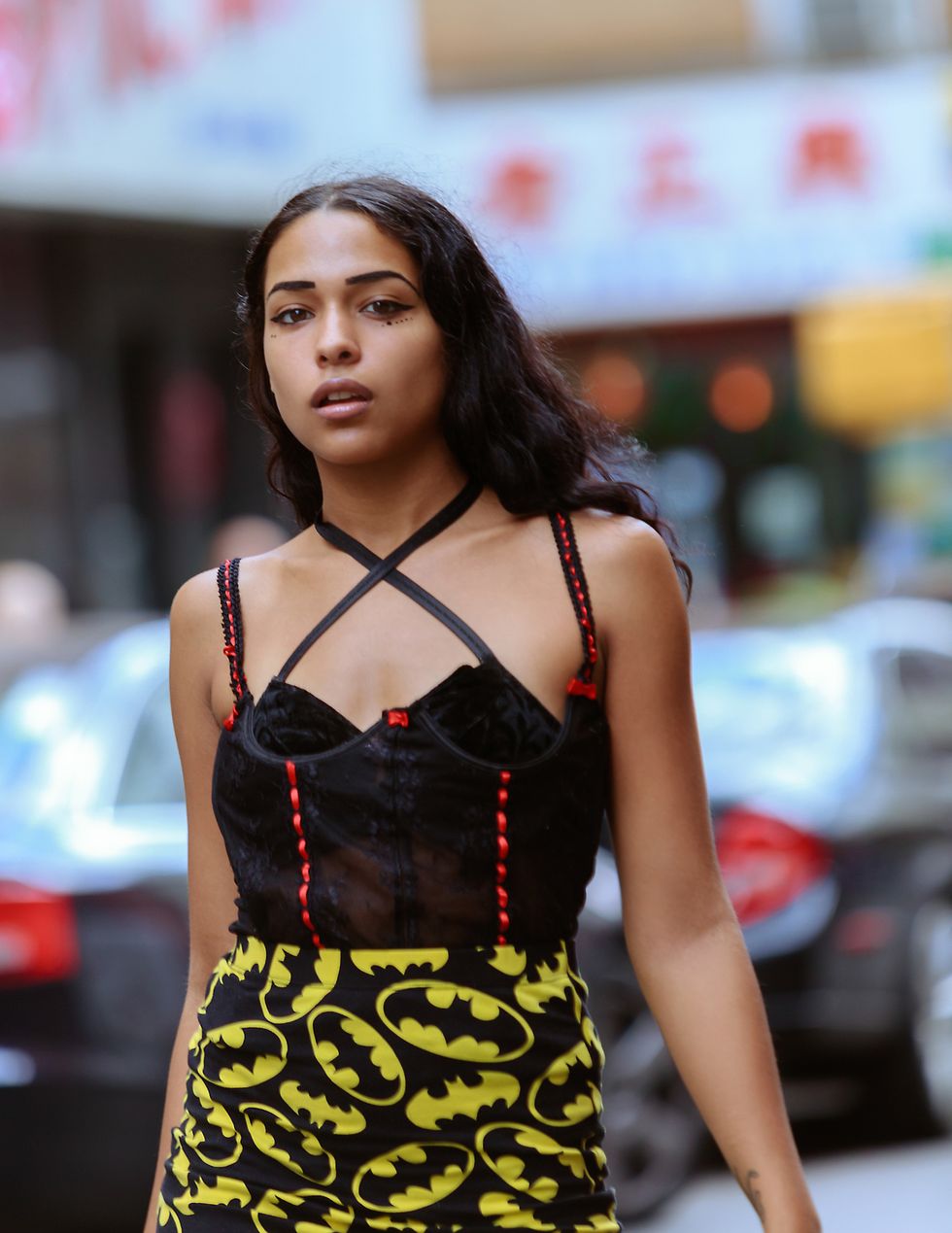
Moreover, empowering women is very important to her. This has been seen in the lyrics of her song 'Kitana'. 'Kitana' refers to the 'Mortal Kombat' character. Women in Mortal Kombat are very sexualized, and Princess Nokia uses the song as a platform to address objectification of women and tell women to demand the respect they deserve.
Additionally, from watching her Instagram stories and listening to her music, I have learned that Princess Nokia is very fascinated in showcasing her multiracial and multiethnic individuality. In her song, 'Brujas', she talks about her Afro-Latina, Native American and West African heritage.