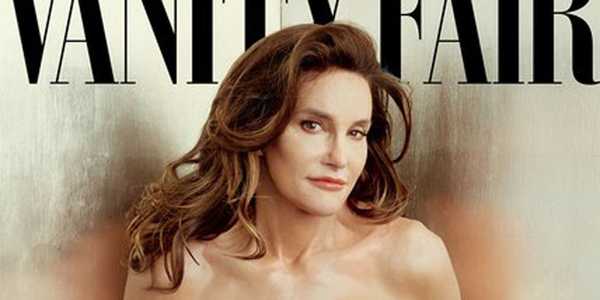
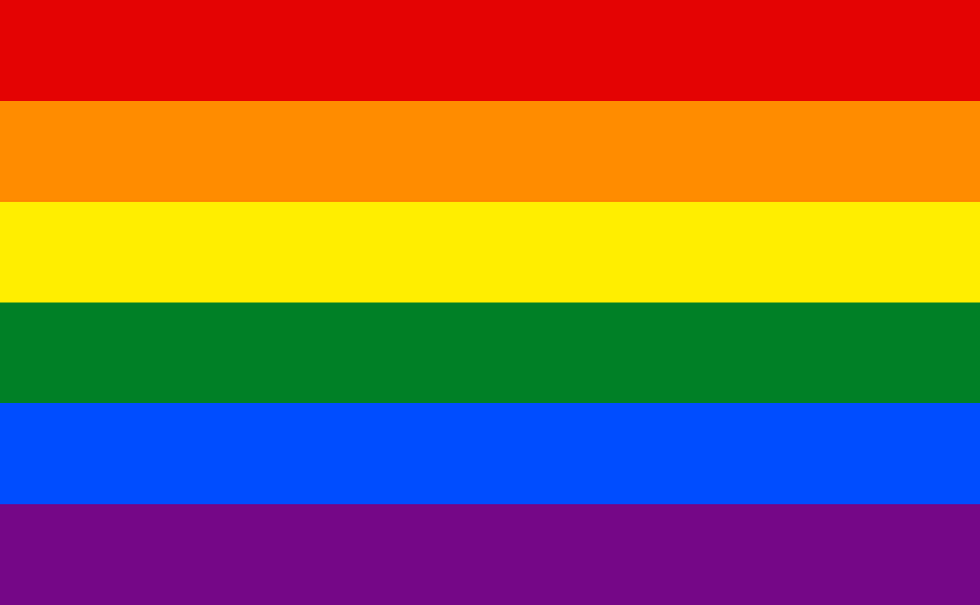
This past summer a few notable things have happened related to the LGBTQIA community (Lesbian, Gay, Bisexual, Transgender, Queer, Intersex, Asexual). #LoveWins became a trending hashtag as a reaction to marriage equality being granted in all 50 states on June 26, 2015. Also, almost two months before this, TV personality Caitlyn Jenner – formerly known as Bruce Jenner – revealed herself on the cover of Vanity Fair, sparking another trending hashtag, #CallMeCaitlyn, also doubling as the title of the article. I’m not bringing up these two events to just talk about how they're top trending on Twitter, but to discuss the contrasts in the responses of these events.
In both cases, there was cheering as well as backlash, but something I thought was interesting were the cisgendered straight people who claimed to be LGBTQIA “allies” when they only truly support the G. So many of the people who were happy about the marriage equality ruling were the same ones posting transphobic memes and jokes about Jenner a month prior. People like this have been going around stating support for the community while they still see people in the very community as a pun. And it wouldn’t be fair for me to not acknowledge the same thing happening inside the LGBTQIA with our own members. Last year I started my freshman year at a LGBTQIA-friendly college. However I can note a couple of times where people around me went on and on about gay rights, but then spoke about the identities of transgender, agender, or gender fluid people as weird or invalid. Multiple times these comments came from gay men themselves. The mainstream LGBT movement has come to a point where white, cisgender, gay men are the poster children. Of course, inclusiveness is a problem in every social movement these days, as the rights for the privileged people in that oppressed group are the ones mainly acknowledged. So just to say it flat out: in the LBGTQIA community there is a lot of sexism, racism, and transphobia. Often I’ve heard gay people and “allies” criticize many gay women for dressing and acting masculine, or claiming the bisexuals are either nonexistent, slutty, or guaranteed cheaters. I guess I’m still naïve because I’m befuddled more when I hear these things from other gay people because for so long we’ve fought for people to understand that homosexuality is natural. We’ve argued against stereotypical generalizations; however, we don’t make an effort to understand others in the community, and in fact, enforce stereotypical generalizations about them. Right now, support for the transgender movement is vital, especially from the LGBTQIA community because not seeing transgender as valid, is not taking their issues seriously.
I think being a trans person is undoubtedly harder than being a cisgendered gay person. There are more obstacles, heartache, and brutality that trans people tend to experience opposed to gay people. Recent statistics depicted that twenty percent of bisexual or homosexual people have attempted suicide, while forty-one percent of transgender/gender non-conforming people have attempted suicide. Trans people face constant discrimination, humiliation, dehumanization, and violence and nobody is talking about it. Twenty-three transgender women have been murdered this year. Seventeen of those women were transgender woman of color (TWOC), which surpasses the amount of transwomen of color killed in all of 2014 and almost meets the amount of all transwomen killed in 2014. The lives of trans people, especially trans women and mostly TWOC, are at constant risk, so it’s not a group of people whose issues should so easily be dismissed. To call yourself a supporter of LGBTQIA rights means that you should care for more than just one or two of the letters.