
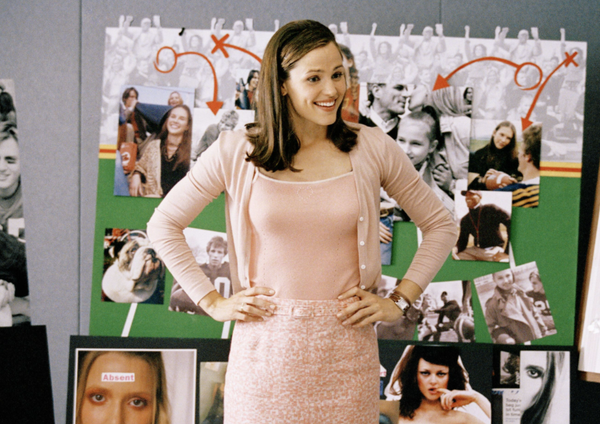

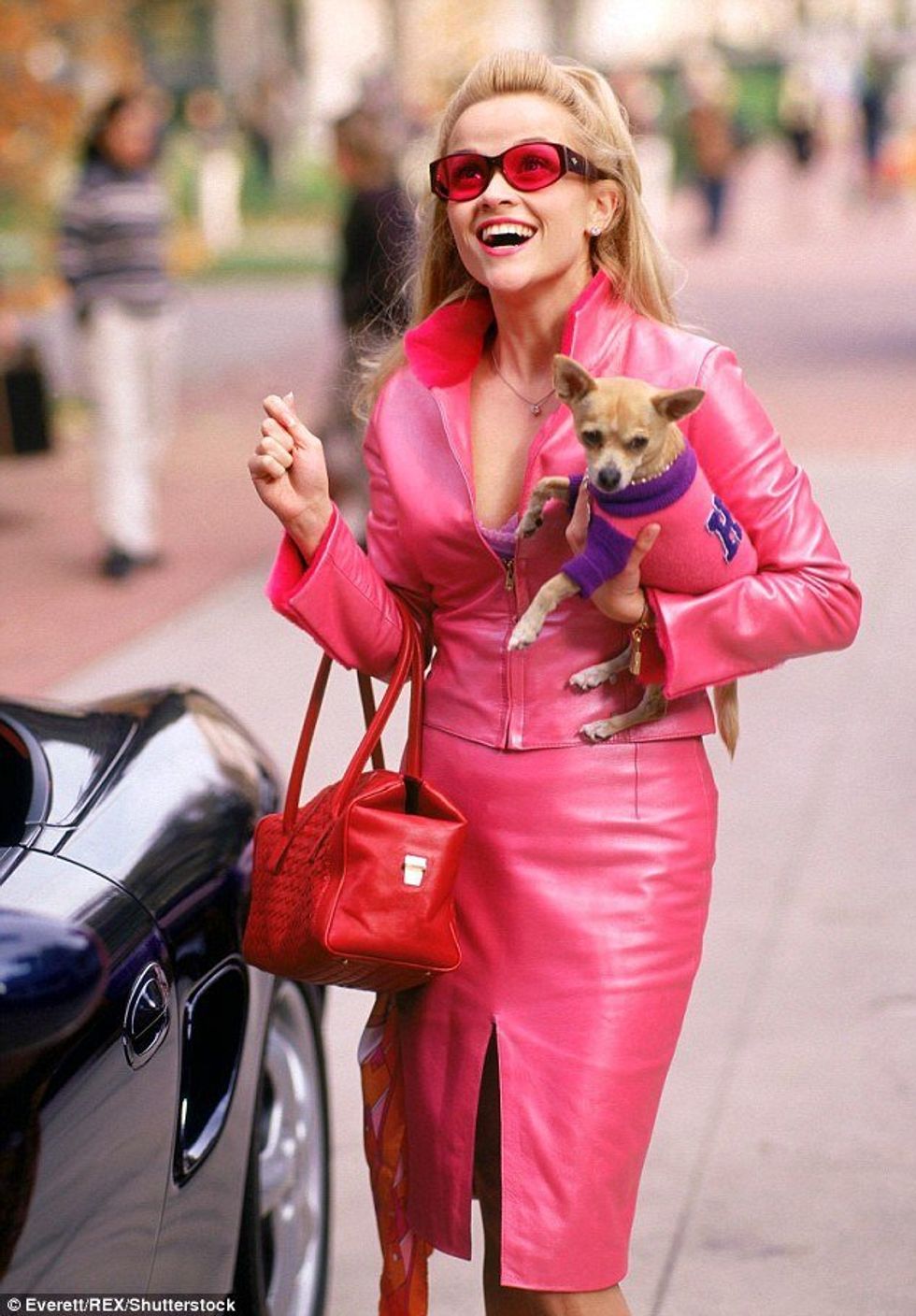
This past Wednesday was "Legally Blonde"’s 15th anniversary, and in honor of one of my favorite movies, I sat down and watched not only the first film, but also it’s sequel, "Legally Blonde 2: Red, White, and Blonde." A few months ago I had watched both movies with a friend for the first time in years and was reminded of why "Legally Blonde" is often heralded as a brilliant feminist comedy. I excitedly told my friend that I needed to write an essay immediately about the spaces that women are able to be fully human and fully woman vs. the places in which women are expected to be smaller and lesser. I still might write this essay at some point, but what I want to point out is that in this first revisitation of "Legally Blonde," I was so excited to see how great an old favorite still is that I forgot to also be critical of it. I easily glossed over the representations (or lack thereof) of people of color and the LGBT+ community (specifically gay men). 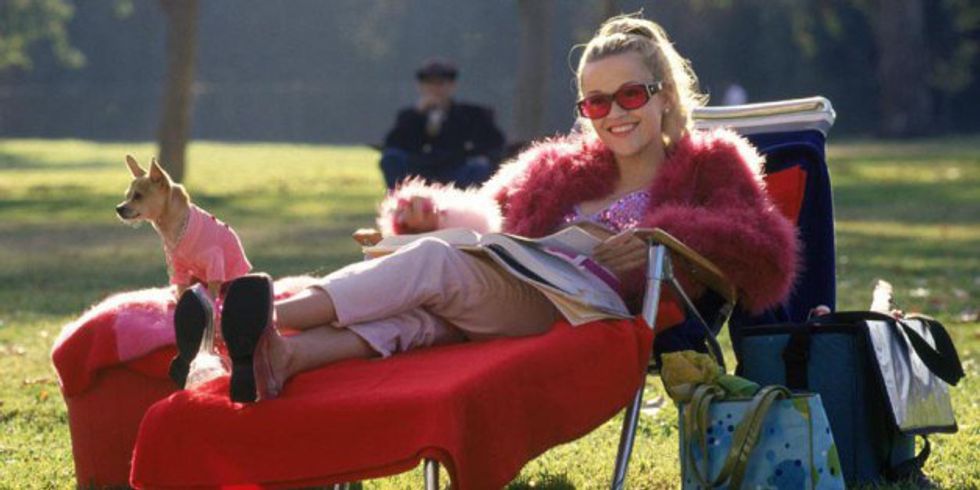
When I watched on this big anniversary, I was still thrilled by the badassery that is Elle Woods and company, but I was also more aware of the stereotypes perpetuated by these characters and the situations they are put in. Huffington Post entertainment writer Cole Delbyck wrote an illuminating description of the ways in which "Legally Blonde" misrepresents gay men by portraying them as caricatures of real people in his piece “How 'Legally Blonde' Hinged on One Ugly Gay Stereotype.” Delbyck is among many writers who have called out "Legally Blonde"’s problems, and there is always someone out there calling out the problematic in other popular films; it is your job (and mine) to be aware of these works and to consume them. We must stay aware of the bad parts of our favorite things in order to make them better, and being an audience member is no exception.
No piece of media or art is exempt from critique, especially a film so popular as "Legally Blonde." But that also doesn't mean that we have to lose sight of the good and empowering to prove that we acknowledge and understand the bad and oppressing parts of something. So celebrate "Legally Blonde"'s 15th anniversary with me, but don't lose sight of the ugly that lives alongside the beautiful.

















