
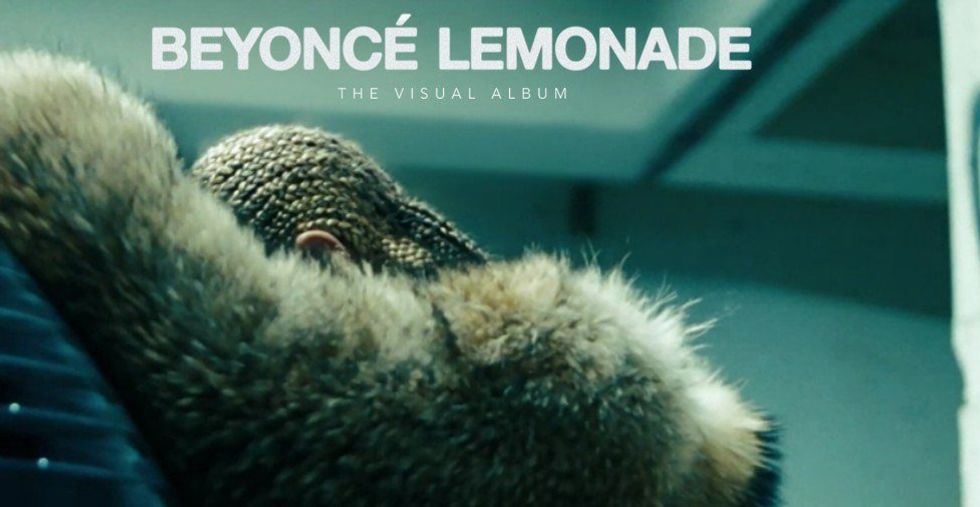
On April 23, 2016, Beyoncé dropped her HBO special and visual album "Lemonade." The songs and video were sharp and emotionally raw, and immediately grabbed the attention of millions of people.
I watched the visual album the day after it was dropped, skirting the HBO fee and watching it illegally but for free on Facebook. Sorry, Beyoncé! (To be fair, I DID purchase the entire album on iTunes, so I think that makes up for my crime.)
Upon watching the visual album, I had felt like I was personally married, had a child, was cheated on, and then reconciled my marriage. Whoever hurt Beyoncé, hurt me. I was also left with a lot of questions, much like everyone else was. Did Jay-Z really cheat? Who was Becky With The Good Hair?
However, those unanswered questions overshadowed the real root message and art of the album. Whether or not the lyrics suggesting infidelity were aimed towards Jay-Z or Beyoncé's father, as it was also speculated, the end result of reconciliation was overlooked.
Each song is a step in the evolution of the album's narrative from grief to reconciliation. She hints at the beginning of the emotional grief in the first track "Pray You Catch Me," where she admits that she realizes that there is a problem in the relationship. She immediately amps up the grief in the follow-up songs, like "Hold Up" and "Don't Hurt Yourself." He eventually hints to her own father's infidelity in "Daddy Lessons." Then the tracks change to those of transformation and reconciliation, especially with the songs "Sandcastles" and "Freedom," where Beyoncé chooses to forgive and move on.
But a lot of people chose to overlook the powerful theme of transformation that Beyoncé offered us—to wanting answers to what exactly happened between Beyoncé and Jay-Z. Many articles were written, documenting the history of their relationship and the key points of issues in their relationship-including the elevator incident of 2014. Other articles were written that speculated who exactly "Becky" is. Other people speculated that there were no relationship issues, and that "Lemonade" was all a game for money. (Lemonade was originally exclusively dropped on Tidal, and Jay-Z own Tidal.)
It has been about a month since "Lemonade" was dropped and the world went crazy. We still do not have answers to these questions—and we may never get them. Beyoncé and Jay-Z have always kept their relationship private, unlike many other celebrities. For all we know, they could have fought, broke up, and reconciled hundreds of times before. It is more important that we focus on the raw lyricism and emotional narrative of love and forgiveness that Beyoncé bestowed upon us.