
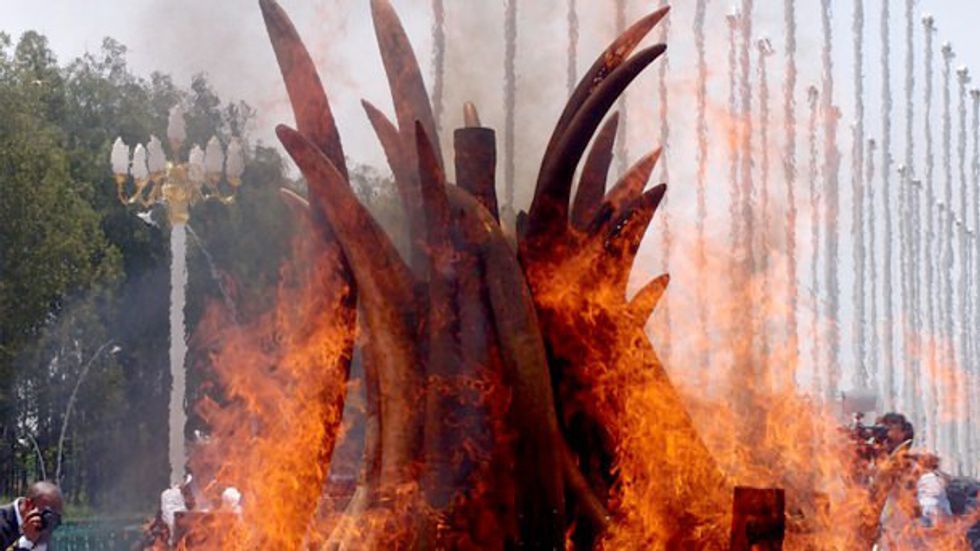
Recently in the month of April, Nairobi Kenya set fire to its largest ivory burn in history. There were a total of twelve pyres of elephant tusks and rhino horn. The burning of elephant tusks confiscated from poachers is a practice that started in 1989, in an effort to convey that the elephant tusks mean nothing to the economy detached from a live elephant. The only one who benefits from ivory are terrorist and criminal groups. For a dead elephant has a total value of $21,000, as opposed to a live elephant which attracts $1,607, 624.83 worth of tourists in its entire life span. Obviously a picture with an elephant is in higher commodity than its ivory.
Though there has been a decline in the request for ivory in the West ever since the 1989 anti-poaching law put into place, there has been a resurgence in the ivory market by its high demand in Asia. And as a result many elephants are gun downed and robbed of their incisors by greedy poachers. The elephant population is on a massive decline and it is estimated that every 15 minutes an elephant is killed and at that rate, in ten years’ time 70% of the elephant population will be wiped out.
Why should I care?
I have been seeing elephant decal on everything. Tank tops, watches, necklaces, you name it and they have it on a fashionable article of clothing. But aside from Joseph Conrad’s novel Heart of Darkness, that you were so begrudgingly forced to read in high school, little is known about the ivory market by your average American.
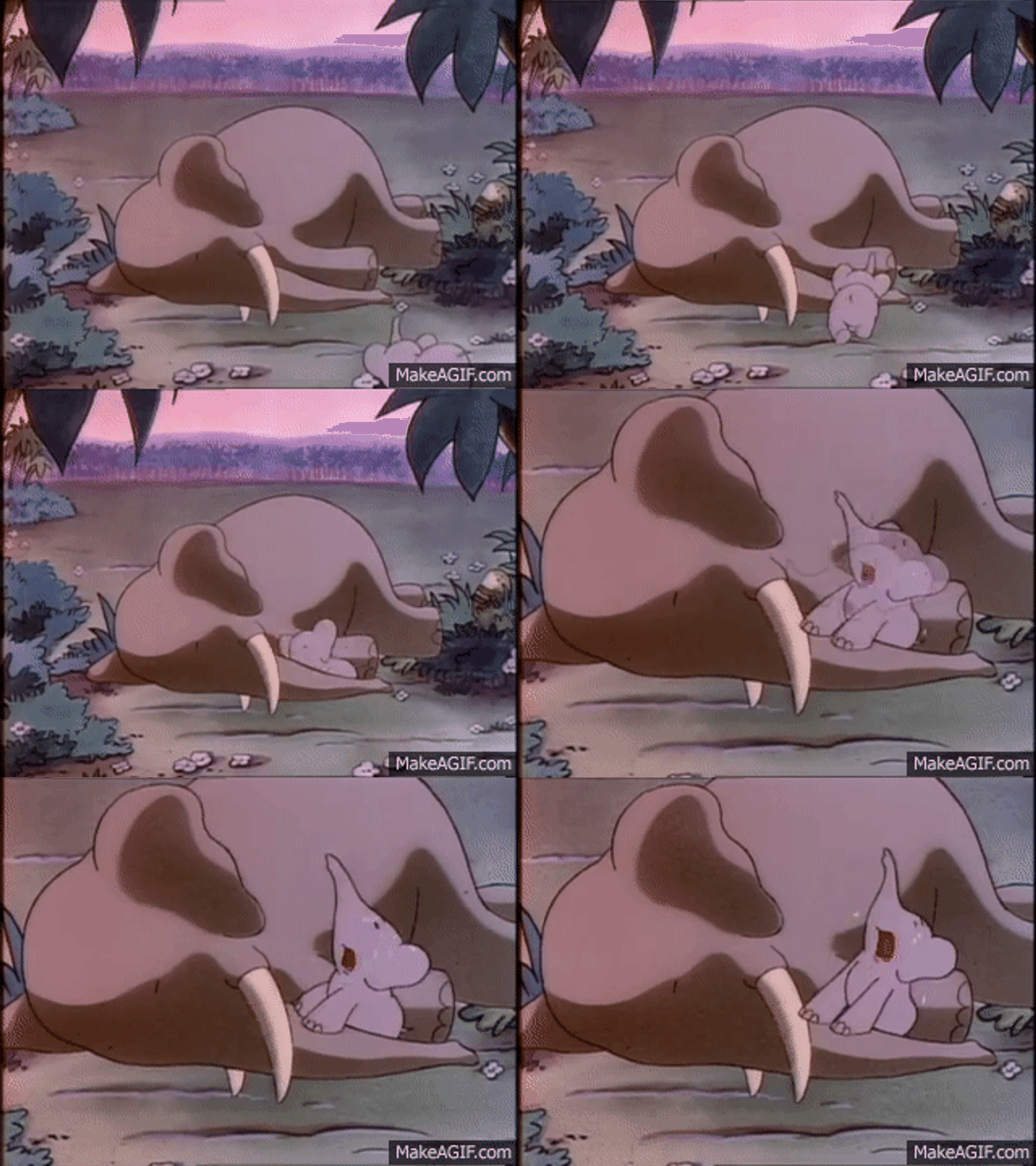
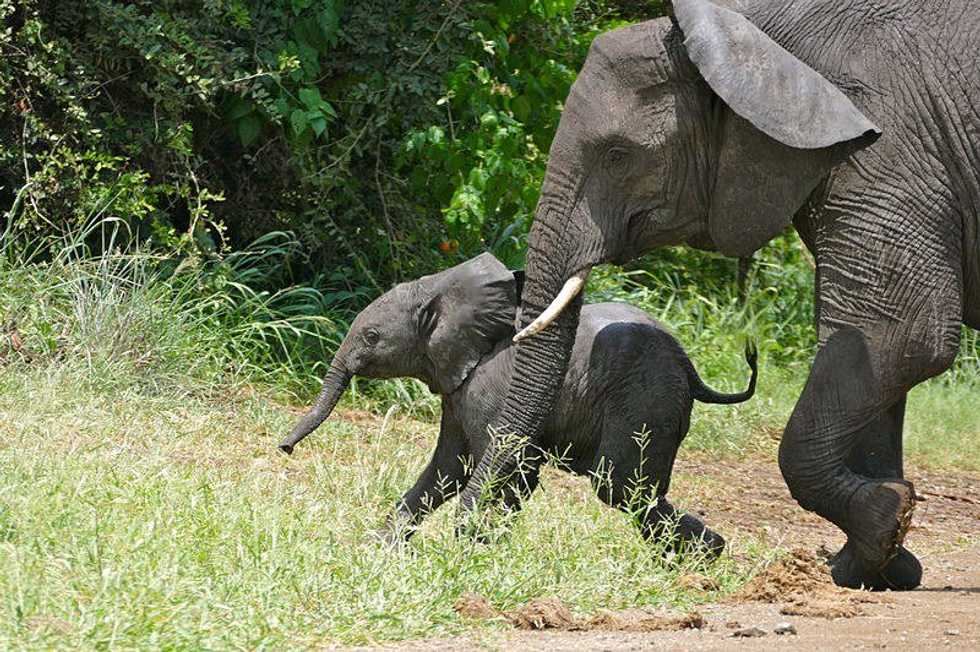
Elephants are sensitive and family oriented creatures that cry, comfort their young, play, greet their long lost friends and even hold ceremonies for the bones of their fallen. They are more human than the poachers. So If a human can’t survive an automatic, then how do you expect an elephant to?