
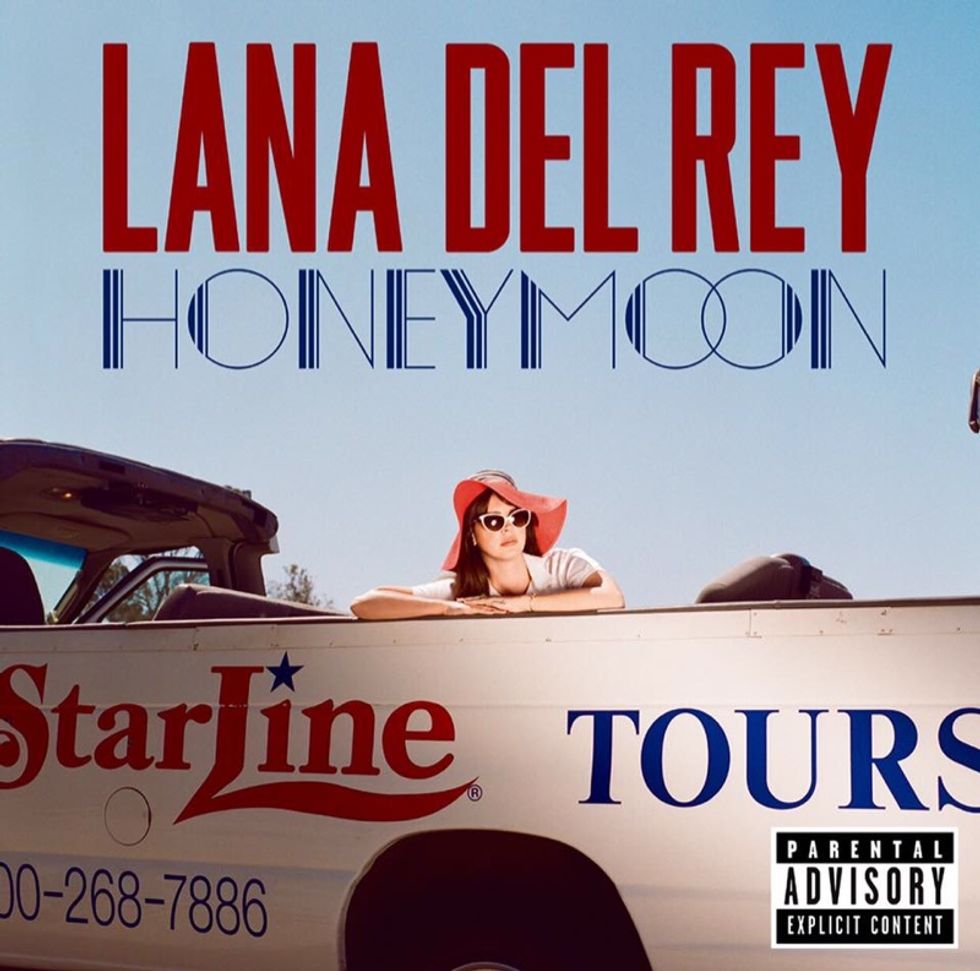
Lana’s third studio LP, “Honeymoon,” was released on Sept. 18. The album marks a new turn in Lana’s creative control of her art, as she achieves a new level of sultry, raw emotion. Unfortunately, this album is not as memorable as her last two.
The title track opens the album. The orchestral music breaks are reminiscent of the 1930s and '40s, and the track is somber and almost like a ballad. The rest of the album isn’t much different: the songs are almost so slow, they put you to sleep. As an alternative album it doesn’t achieve the pop sound or speed that her previous songs have put on the table.
Unlike her debut album, “Born to Die,” “Honeymoon” is far less likely to draw new fans. That being said, I believe she wrote these songs under the knowledge that her fan base wouldn’t change. She has enough creative control to make whatever she wants.
As an art piece, the album is brilliant. It is far more adult than “Born to Die” and less drug/rock and roll-centered than “Ultraviolence.” The arrangements on “Art Deco,” “Salvatore,” and “Music to Watch Boys To” are intriguing, exciting, and edgy. Lana does what she does best, which is create her own world.
If you close your eyes while listening, you can almost imagine sitting in a smoky bar in a silk gown with a fur coat, sipping cocktails and flirting with a mysterious, handsome man while listening to a cabaret singer. She creates a vision of an era that has long passed. It far surpasses the feeling that feel-good, shallow pop music can give you.
As an artist, she has effectively created her own genre. Alternative doesn’t even cover her. None of her new songs can be translated to radio hits, and she’s okay with it. Her fans have adopted her carefree persona as well, and they’ll gladly eat up any steel guitar, hippie-inspired tracks she throws out.
The Lana from “Born to Die” is almost unrecognizable. Upbeat tracks like “Off to the Races” and “National Anthem” seem like they were sung by a completely different person. Granted, she is a more mature artist and has more leverage to produce what she wants, but I miss the fast-tempo femme fatale that she once was.
Overall, “Honeymoon” achieves artistic perfection. The lyrics are rich with meaning, the music is intricate, and her voice is pure and soothing. Current fans of Lana will absolutely love it. The songs fail to provide any variance, though. The slow tempo proves uninteresting if you aren’t paying attention. If you haven’t heard her music before, I suggest you start with “Born to Die.”

















