Coal is one of those issues that has become so polarized in our national debate. In particular, West Virginia is a state where coal is king. Growing up in the state, you are bound to see your fair share of "Friends of Coal" bumper stickers, and hear almost every politician claim they will bring coal jobs back. Is it realistic for politicians to claim they can bring back coal, and what does the future hold for our state?
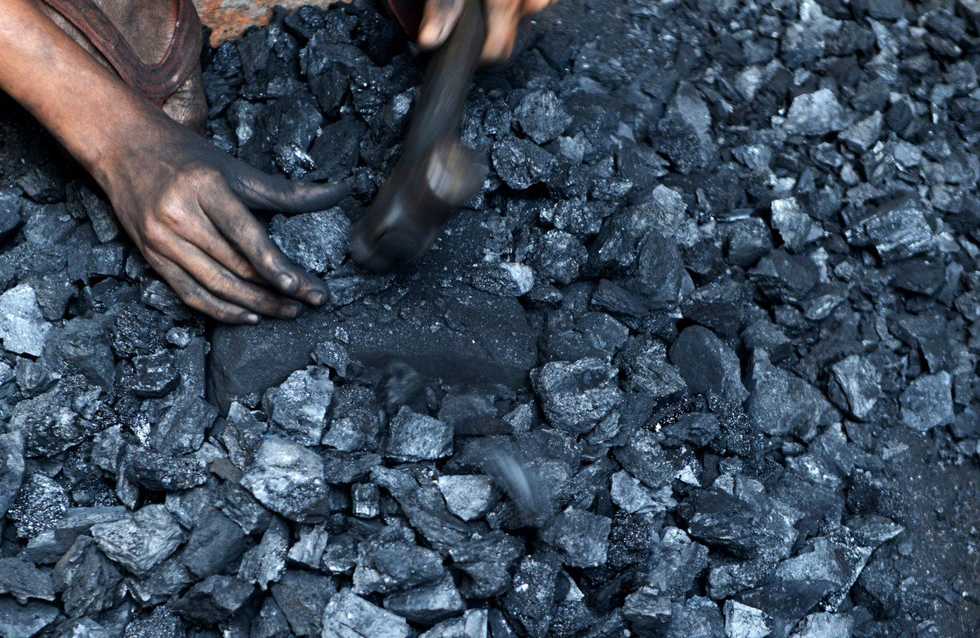
First, some historical context. Coal was discovered in West Virginia in 1742, and since then, coal from our mines has helped build the United States and power its electric grid. At the peak of production in 1947, nearly 174 million tons of coal was produced from the mines, employing some 130,000 miners. This along with the steady flow of migrants moving to fill mine jobs created a lot of wealth in the state.
It's undeniable that West Virginia, for much of its history, has relied on money from coal to keep our state running. However, this idealized past is not what we can expect in the future. While some politicians may promise they will bring coal back, the reality is that is virtually impossible.
While many in the state point to Barack Obama as the harbinger of death for coal, the fact is coal has been on a steady decline since its peak in the late 1940s. Natural gas is much cheaper to extract and is more abundant, and newer coal mines in Montana and Idaho have larger veins and more untapped resources than our state.
China, who used to import more US coal than any other country, has been shifting to renewable resources and therefore cause the US to export less and less each year. At the end of the day, coal is a non-renewable resource. Once you mine it, say, for nearly 200 years, there will inevitably be a day where coal is no more. This is hard to swallow when your family has worked in the mines for generations, but it is something every West Virginian must confront now.
There is no question that West Virginians are suffering. As mining jobs leave the state, once prosperous towns are abandoned. People are left working two or three low-wage, low-skilled jobs to support their families. Drug abuse is at an all-time high in the state, a direct result of our economic woes. The state is in an ongoing brain-drain, where our young adults grapple with whether to stay in their home state, or move to a state with more opportunities.
Our citizens are desperate for change, and politicians, from the president to our local legislators, have a duty to make that change, not promise false hope in a resurgence of coal. But what does the future hold for West Virginia's economy?
There is so much opportunity for our state if we start now to diversify our economy now. The tourism industry in the state should be expanded and promoted. Existing state parks should be improved and new bike and hiking paths opened where mines once sat. Wind power has such high potential to become the state's next big energy source, providing reliable, clean energy and skilled labor to communities across the state. The legalization of recreational marijuana could lead to economic stability, the creation of jobs as growers and store owners, and help combat the opioid epidemic.
Improving our state's infrastructure would not only create jobs, but modern infrastructure leads to more people willing to work and invest in the state. These all will take time and a lot of money to implement, but West Virginia must invest in its future or else we are doomed to continue spiralling out of control.
We have a lot of problems in our state, but we have just as many opportunities to improve it. All it takes is a generation tired of the current situation and willing to do anything to make it better. Our state has the potential to reinvent its image and end the suffering out citizens have endured for so long, but so long as we kowtow to king coal, we will, unfortunately, continue to decline.