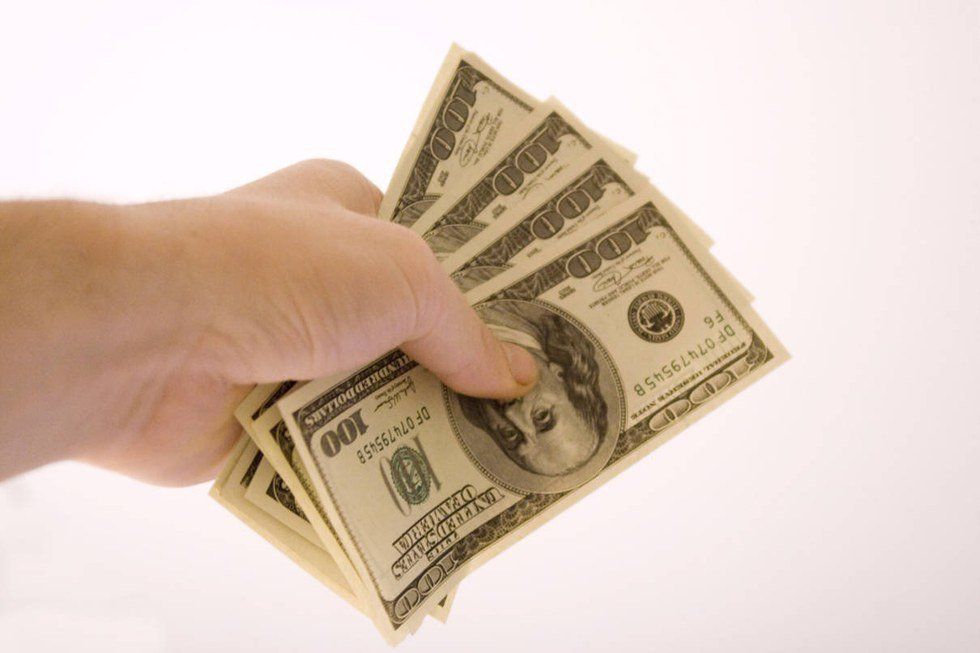
As I walked outside of my school’s gym/recreation center, I spotted a $50 bill on the ground. I wanted to ask the people around me if they had dropped the money. But everyone was walking too quickly, making it impossible for me to catch up to any of them. So I just picked up the bill and slid it into my wallet. 50 bucks just for me? Sweet! I had on a sly grin because, you know, finders keepers. A few minutes later, however, I was torn, wondering if taking someone else’s lost 50 dollars was the greatest experience. It wasn’t.
I felt a pang of guilt as I thought about the person who lost the bill, and how upset he or she must have been. That chunk of money could have been saved for a week’s supply of groceries, or the remaining money needed for the gas bill. Feeling sorry for that person, I took the $50 bill to our campus’ Lost and Found Center, where the front desk assistant told me, “Oh, thank you so much! You’re so nice!” It was my pleasure indeed.
Going to the Lost and Found Center might not be the most rational choice, for many people drop money by accident and just assume that someone else might have found and kept it anyway; but thinking about myself and the stuff I would have splurged on with that money is the last thing I wanted to do at that time. With our unstable economy, we can’t get by without having or earning money, an object that we also take for granted and could possibly make us forget about more important human morals. Kindness is one of them. It’s pretty sad how so many people would do anything for money, yet at times not act kind and understanding to others around them. Money certainly buys many materials/necessities we need to survive, but not kindness.
A simple or even silly act of kindness goes a long way, and enriches the meaning of our lives. We feel happier and more cared about when other people do something nice for us, whether it’s lending us their sweater when we get cold or giving us their bus seat when we’re carrying a heavy load of shopping bags. In addition, we also feel like a good person when we, as well, are kind to others and consider their needs. Money, on the other hand, is either gained or lost—nothing more. Sure, money doesn’t “grow on trees,” but it certainly doesn’t grow on people, either. And in actuality, money is just a strip of paper that we tend to value more than we should. It doesn't, however, take much to return kindness or “pay it back” to someone else; you just have to feel it in your heart.
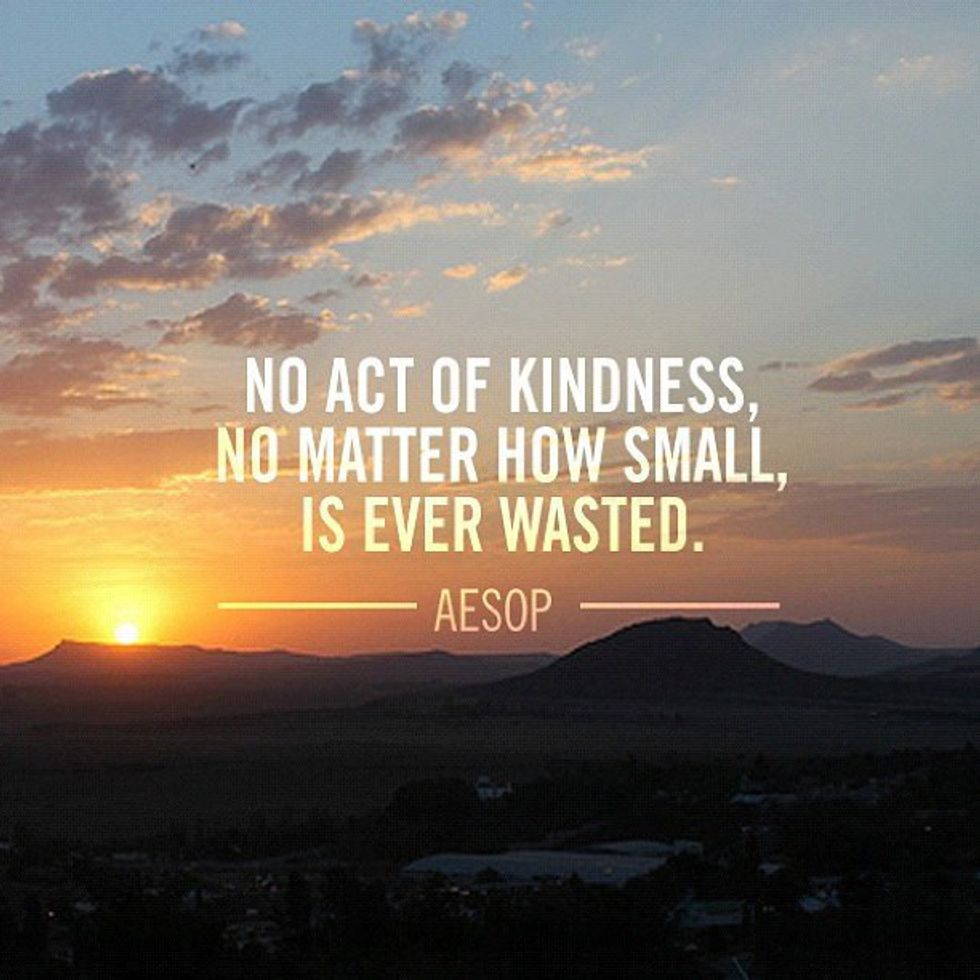
I’m glad I didn’t keep the 50 dollars. And honestly, the person who dropped the money might have needed it more than I did. Though it’s possible that the person who lost the bill will not go to the Lost and Found Center, I still hope he or she does so anyway. I don’t regret putting it there at all; in fact, taking the money to the Lost and Found Center is one of the most unforgettable decisions I’ve ever made. Even though I didn't know the person, let alone seen him or her at that time, I feel very happy for making that choice. Money might be involved in many necessities for living, like our homes and our schools, but it will never permanently erase kindness or the good of humanity; it's still possible for someone to show an act of kindness to you, especially when you deserve it. True kindness matters more in our lives than all the materials money will ever buy, and always creates a positive vibe to the world around us. You don’t need to remember Aesop’s quote to know that.