It’s only nine in the morning, and it feels like your life has already ended. You’re having trouble breathing. Your face, your fingertips feel numb. Any moment now, the pen you’re gripping is going to tumble from your fingers and clatter against the white tile. It will be deafening in a room this quiet. Nothing exists, really, outside the dull ringing in your ears and the heartbeat battering around your chest. The doctor is trying to talk to you, but you can’t hear her. She’s mouthing words you never thought you’d have to hear. Invasive. Recurring. Malignant. But she’s not talking about you. She’s talking about your daughter.
There is always a period of stunned grief when a parent hears about their child's cancer, a period of asking questions, forgetting how to pray, and wondering if the shattered pieces of your life will ever fall together again. But for families who live below the poverty line, one pressing question often supersedes all others: how are we going to pay the bills?
A recent study published in the journal Pediatric Blood & Cancer found that impvoverished kids' cancers are far more likely to return quickly after treatment. While the overall relapse rate was consistent across economic classes, 92 percent of children from economically depressed neighborhoods experienced what's called an “early” relapse—that is, their cancer returned after less than 36 months. The early relapse rate for children from more affluent areas? Only 48 percent. Broken down, that means that poor kids who received exactly the same treatments as their wealthier peers, from the same doctors and at the same facilities, were still twice as likely to experience an early relapse. And since these early relapses are significantly more difficult to cure, children from the impoverished areas were far less likely to make a full recovery.
Why such a dramatic difference? The answer is hardly simple. This phenomenon, like the poverty that gives rise to it, is the result of a complex combination of economic, social, and environmental factors—none of which have easy solutions.
Most children born below the poverty line have worse general health than their more affluent peers at the time that they receive a cancer diagnosis. They are more likely to suffer from malnutrition and obesity, and to have toxins in their blood. They are more likely to suffer from diabetes, asthma and dental cavities. Their immune systems are weaker. They are more prone to respiratory infections like bronchitis and pneumonia. Many of these conditions can be exacerbated by aggressive cancer treatments, dropping an even heavier financial burden on families already struggling to pay that $2,000 chemo bill.
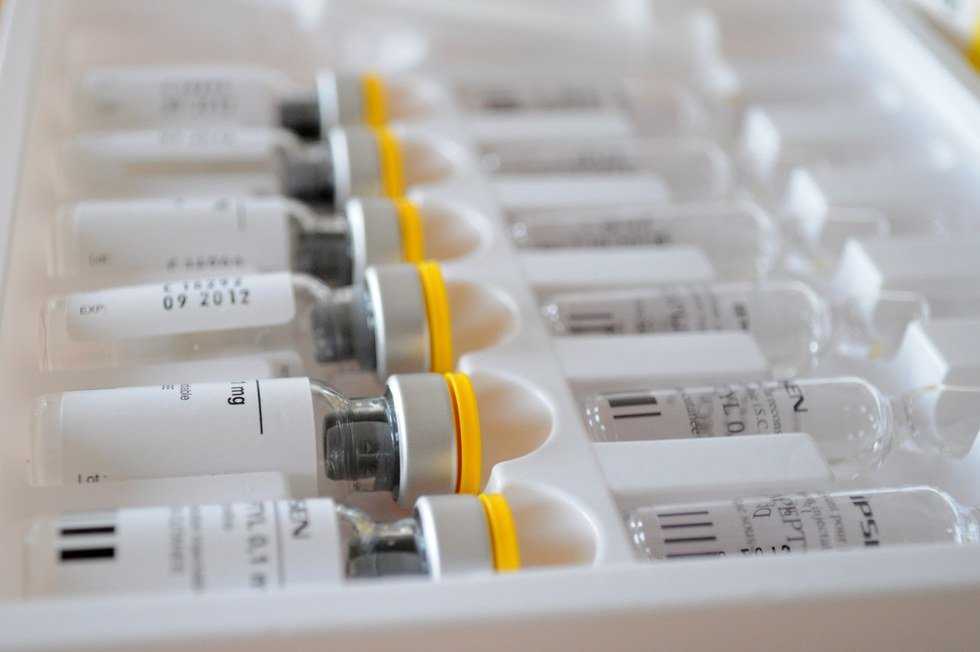
The environmental conditions of poor households do little to alleviate these struggles. In order to put this into perspective, let’s examine just one aspect of growing up poor: not being able to afford your electric bill. To begin with, an unheated bedroom in the wintertime can pose a grave threat to immune systems already ravaged by chemotherapy. In addition, many second-stage oral chemo medications need to be kept cold to retain maximum effectiveness. If you can’t afford to keep the refrigerator on all summer, your kid’s drugs might not work at all.
This kind of scrimping to get by at the end of the month manifests itself in a hundred ways, most of them mundane, everyday concerns that aren’t immediately connected to cancer. Don’t have a reliable car? You might not be able to get your child to that chemotherapy session. Can’t afford nutritious foods like fruits and vegetables? Poor nutrition has a massive impact on post-chemo recovery and might even lessen the effectiveness of certain therapeutic drugs, which often need to be taken with food. Working multiple jobs to try to pay for that nutritious food? Children whose parents work long hours are more likely to miss crucial doses of medication, simply because their caregivers aren't around to administer them at the proper time. Still having trouble paying for prescriptions? Many parents, forced with the impossible choice between feeding their families and paying for expensive but necessary drugs, attempt to “stretch” their kid’s medications by skipping doses.
Social stigmas also play a role in silencing conversations about this topic. Parents in this situation often don’t mention their financial situation to their doctors, worried that their inability to pay might affect the quality of care that their child receives. And doctors rarely ask about money, either because they’re focused on treating an aggressive illness or because the topic is too uncomfortable to bring up to an already devastated family. All these factors add up to a grim conclusion: childhood cancer is a high-stakes game, and impoverished families are losing.
Childhood cancer is often cited as one of modern medicine’s most significant achievements. (Fifty years ago, only ten percent of children diagnosed with acute lymphoblastic leukemia survived—today, that cancer’s survival rate sits at over 80 percent.) While survival rates for the majority of pediatric cancers have been steadily on the rise in the past few decades, those long-term successes don’t always apply to the 22 percent of kids in the U.S. who live below the poverty line.
Impoverished kids deserve a chance at childhood too. They deserve to scrape their knees on roller-blades, and get their hands sticky with popsicle juice, and spend an eternity working up the courage to leap off the diving board. The fight against childhood cancer won't be finished until they get that chance.