


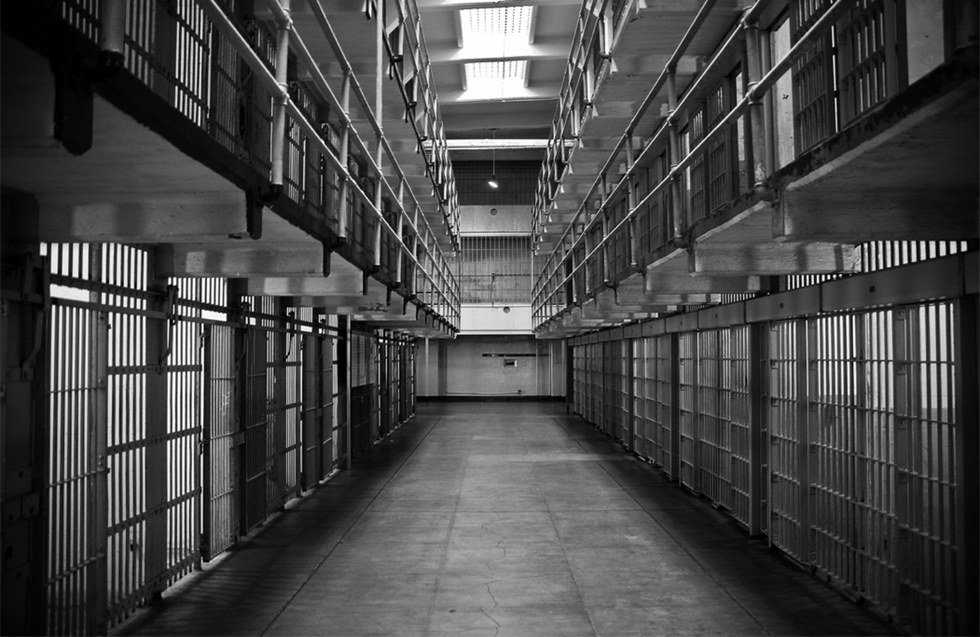
The Justice Department (DOJ) announced on Thursday that it intends to begin to reduce and eventually completely eliminate the use of privately owned prisons to house federal inmates.
In a blog post on the DOJ website, Deputy Attorney General Sally Yates states, “…as each private prison contract reaches the end of its term, the bureau should either decline to renew that contract or substantially reduce its scope in a manner consistent with law and the overall decline of the bureau’s inmate population. This is the first step in the process of reducing—and ultimately ending—our use of privately operated prisons.”
This is, in all its forms, a win.
This is especially a win in the game of trying to establish the incarceration system as being focused on rehabilitation, instead of punishment.
With this crutch no longer holding us back, we may be able to focus on actual changes to the system to ensure that one bad run in with the law doesn’t brand you for life.
The next step might be getting A&E to discontinue all those reality TV shows about prison, but one thing at a time.
The history of privately owned prisons is relatively short. First coming into existence in the 1980s, and soon booming into a billion dollar a year business, they became a way to deal with the increasingly difficult problem of overcrowding.
The reason that ending private prisons is such a huge step is that they are almost infamous for falling short of the standards of most public facilities. Which is, to say, ironic.
Often understaffed and overpopulated, and frequently more violent on both sides of the glass, private prisons represented a massive risk to prisoner safety and made a profit anyway. And it’s interesting that we chose to make a profit off of the incarcerated, instead of treating them more like, I don’t know, humans.
In this great America that everyone seems so fond of talking about, private prisons represented a stain to that image. If this intention to discontinue their use is followed through, and it should be, then it will remove the stain and set limits on what can and cannot be capitalized upon.
It should be made clear, for the interest of transparency, that only the DOJ is ending its use of privately owned prisons.
The Department of Homeland Security’s Immigration and Customs Enforcement (ICE) also has a close-knit relationship with private prisons, which it uses to house nearly 70% of immigration detainees.
While the DOJ ending its use of private prisons is a major victory, many are still hoping that other agencies, like ICE, will quickly follow. We can only hope that a precedent was set and that the practice comes to an end across the country in the coming years.
Sooner rather than later, if I had a say.
















