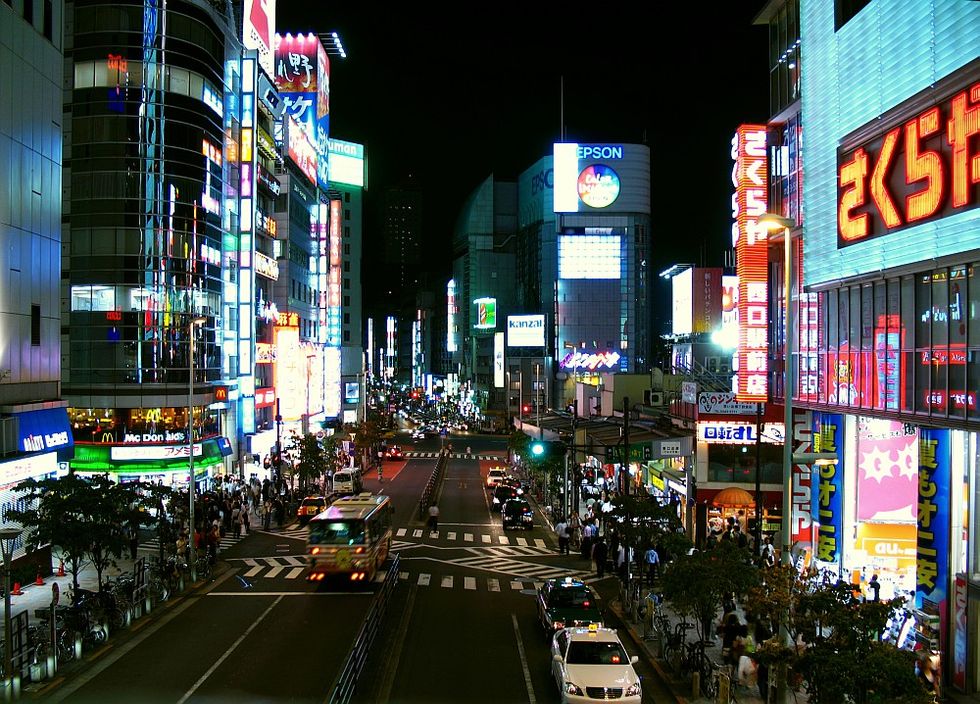
It was back in early June when our adventure took place. My friends Alec, Kevin, Seamus and I were fresh out of high school eagerly anticipating what experiences awaited us on the other side of the world. We had been romanticizing this country for so long after looking at the sights and feats of daily life. After an entire year of planning (and some wishful thinking), we were finally going to see Japan from beyond the computer screen.
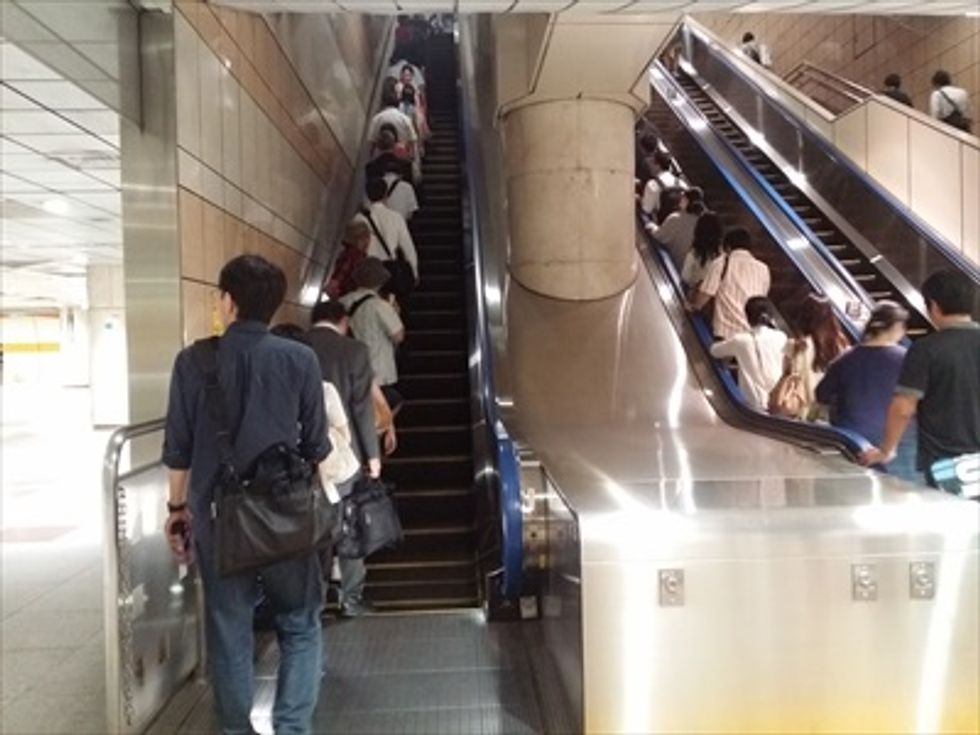
When we arrived in Tokyo, adjusting to the time change was not a problem but trying to get accustomed to the change in scenery was a challenge. Aside from the fact very few people spoke English, trying to adapt to social norms took some time. There are plenty of rules and etiquette that cover different facets of daily life in Japan. For example people who choose to stand on an escalator stay to the left side, leaving room for others to walk by on the right.
Another aspect of life in Tokyo is commuting, especially on the train. Taking the metro is the primary mode of transportation in cities like Tokyo, Osaka, and Kyoto. Trains are also a way to get around the main island from city to city. The society centers itself on work and productivity so the daily commute is one of the few times in the day when people can enjoy silence from a stressful world. Train cars remain quiet for this exact reason. People don't want to hear others having loud conversations on the phone, especially during the only time of day when they can actually enjoy peace and quiet.
Another thing to take note of is dining manners. I've come to notice people don't really eat "on the go." With such a fast-paced, work-centered lifestyle, I was surprised to see few people, if anyone, eating on the streets. Japanese people don't like to eat as they walk like you find in major American cities. Food is often saved for the house and eaten there. At convenience stores, sometimes people will immediately eat the food they bought and discard their trash immediately at the store. This is because cleanliness, especially in the streets, is important to maintain in their cities. When it comes to restaurant dining, servers in Japan don't accept tips after a meal. While a small gratuity is perceived as a nice gesture in America, it's not as appreciated in Japan. In fact, it can even be taken as an insult. The price they give on a bill already covers the service they provide you. Paying more is seen as unnecessary and even patronizing to servers.
Your behavior and actions are things to be conscious of, especially in a society which highly values honor and respect. The country is based on community oriented values. Each person helps one another for the sake of the group as a whole. Each part a person plays contributes to the well-being of everyone. Once you understand the idea behind Japan's social norms, it becomes a lot easier to follow their etiquette. When you finally adjust to the social norms, Japan offers a truly unique experience you don't want to miss out on.