Although fall means the departure of summer vacation, it also signifies the return of something we are desperate to have back: television. Quality, dramatic, popular television that we have been pining for since it left us last spring. Thank you, Netflix, for sustaining us during the drought.
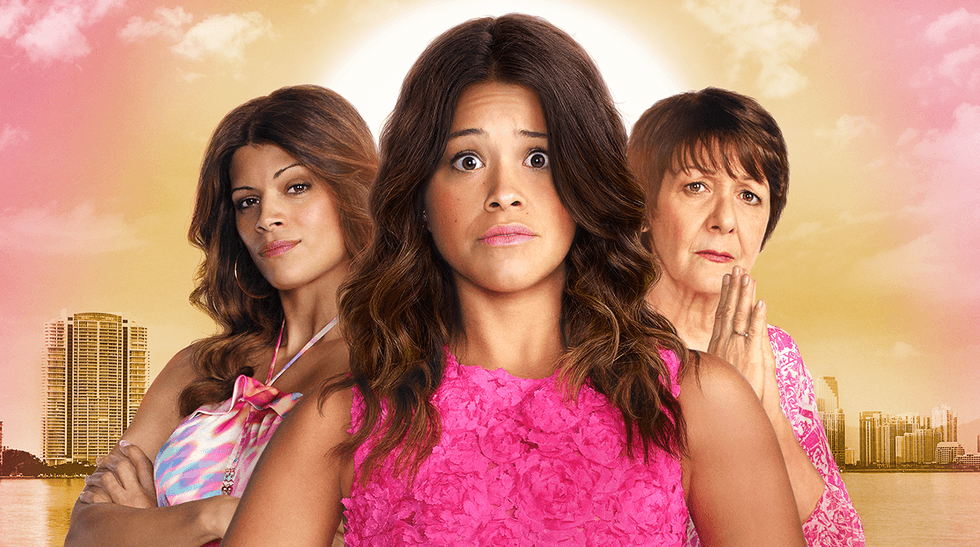
One of the shows I am looking forward to this fall is unlike other current TV shows in that it resonates with my experience as an Asian American. This gem of a series is called "Jane the Virgin" and tells the story of Jane Villanueva, a Venezuelan-American woman living with her mother and grandmother in Miami.
It is not easy to wonder how a show about a Latina family can relate to Asian life in America. Although this cultural comparison may seem unlikely, the Latina upbringing depicted in Jane the Virgin parallels Asian-American life at critical moments.
One of the clearest moments of similarity deals with an essential part of growing up for many Asian Americans: language. What "Jane the Virgin" does that is quite legendary for a show airing on a channel as mainstream as the CW is depict a bilingual relationship between Jane and her grandmother. When asked about this characteristic of the show, executive producer Jennie Snyder Urman responded with, “As I was getting into this and talking to people, that was the biggest thing in intergenerational households: usually the person who immigrated still speaks in their native tongue. The kids understand Spanish but they speak English back.”
This linguistic relationship between the generations exists in a lot of Asian families as well. The way "Jane the Virgin" acknowledges this relationship Latinas and Asian Americans have with the native languages of their elders is refreshing. It demonstrates a balance between the American identity and the cultural identity that often goes unrepresented. Instead, mainstream media portrays Asians at two extremes: obviously foreign or completely Americanized.
Another standout characteristic of "Jane the Virgin" is its telenovela-inspired execution and the overall presence of telenovelas in the show. Jane often watches telenovelas with her mother and grandmother, and they have favorite actors, actresses, and series. The fondness "Jane the Virgin" retains for telenovelas and the impact they have on the show reminds me of the space Asian media carves in the lives of Asian Americans. Be it Bollywood, K-Pop, or the vast array of TV series and dramas that are popular in Asian countries, Asian Americans often grow up with their own versions of telenovelas, whether they like them or not.
Instead of dismissing them as silly and overdramatic, the show embraces telenovelas and pokes fun at them in a way that is gentle rather than demeaning. This affectionate, eye-rolling relationship is one that mirrors my attitude toward Bollywood, and perhaps relates to the experience other Asians have with their pop cultures. These Asian movies and TV shows may be dramatic, outlandish, and even embarrassing, but they are a part of our lives and might as well embrace them.