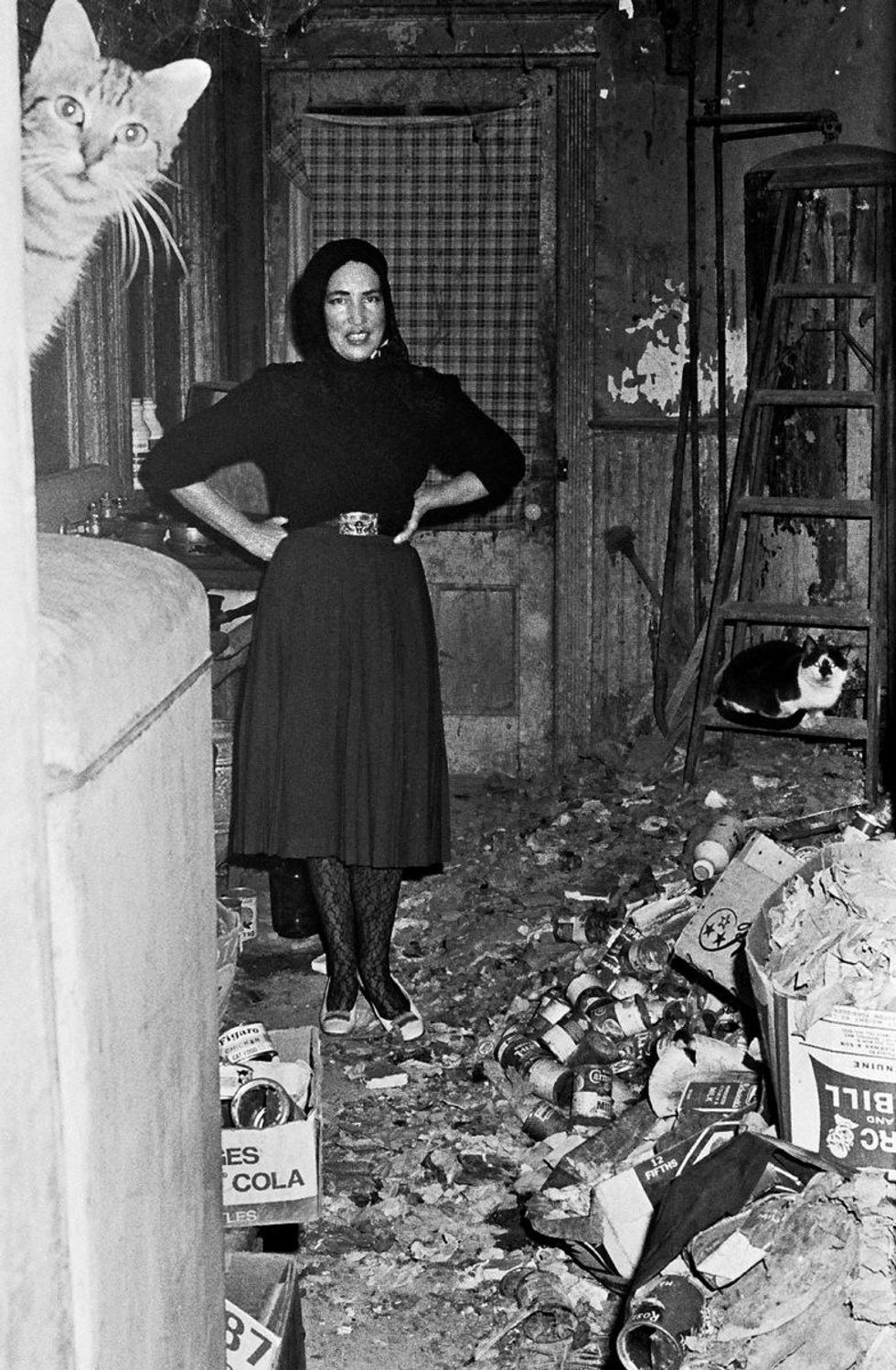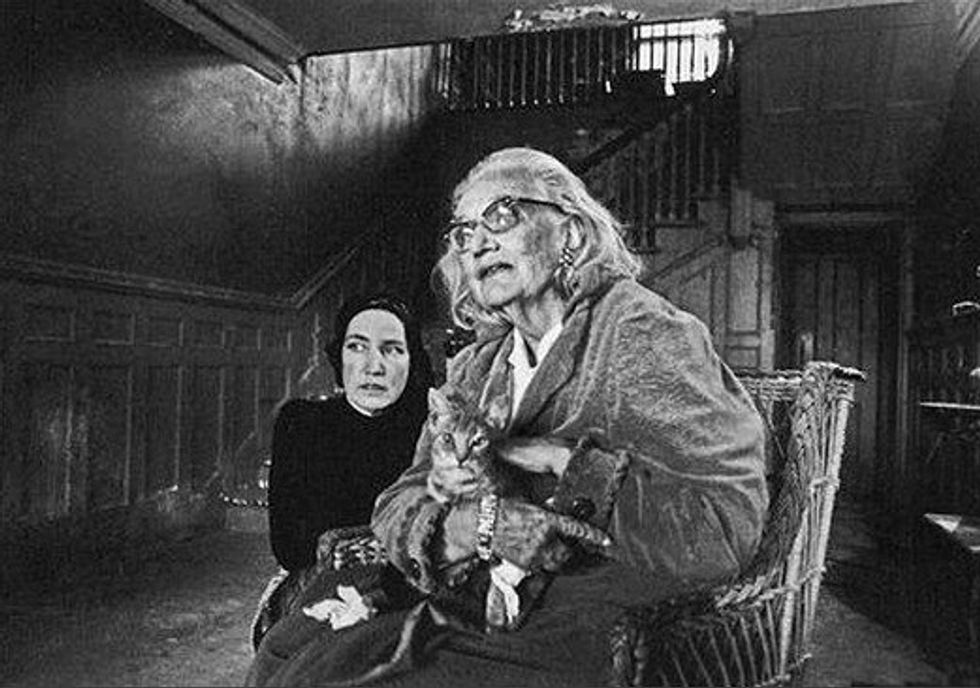
"Unfit for human life" is how the health inspectors described the home of Jacqueline Bouvier Kennedy Onassis' aunt and cousin. Jackie's aunt, Big Edie, and cousin, Little Edie, lived in piles of garbage surrounded by cans of cat food that were often mistaken for liver pâte. Raccoons fell into their home through holes in the roof and fleas were rampant. It is hard to believe that years prior the Edies were once glamorous women belonging to high society. As for their East Hampton home, known as Grey Gardens, it was once an enviable 28 room mansion. The story of how the eccentric pair went from Country Club to the county dump, while trying to remain glamorous is a sad, yet fascinating tale.
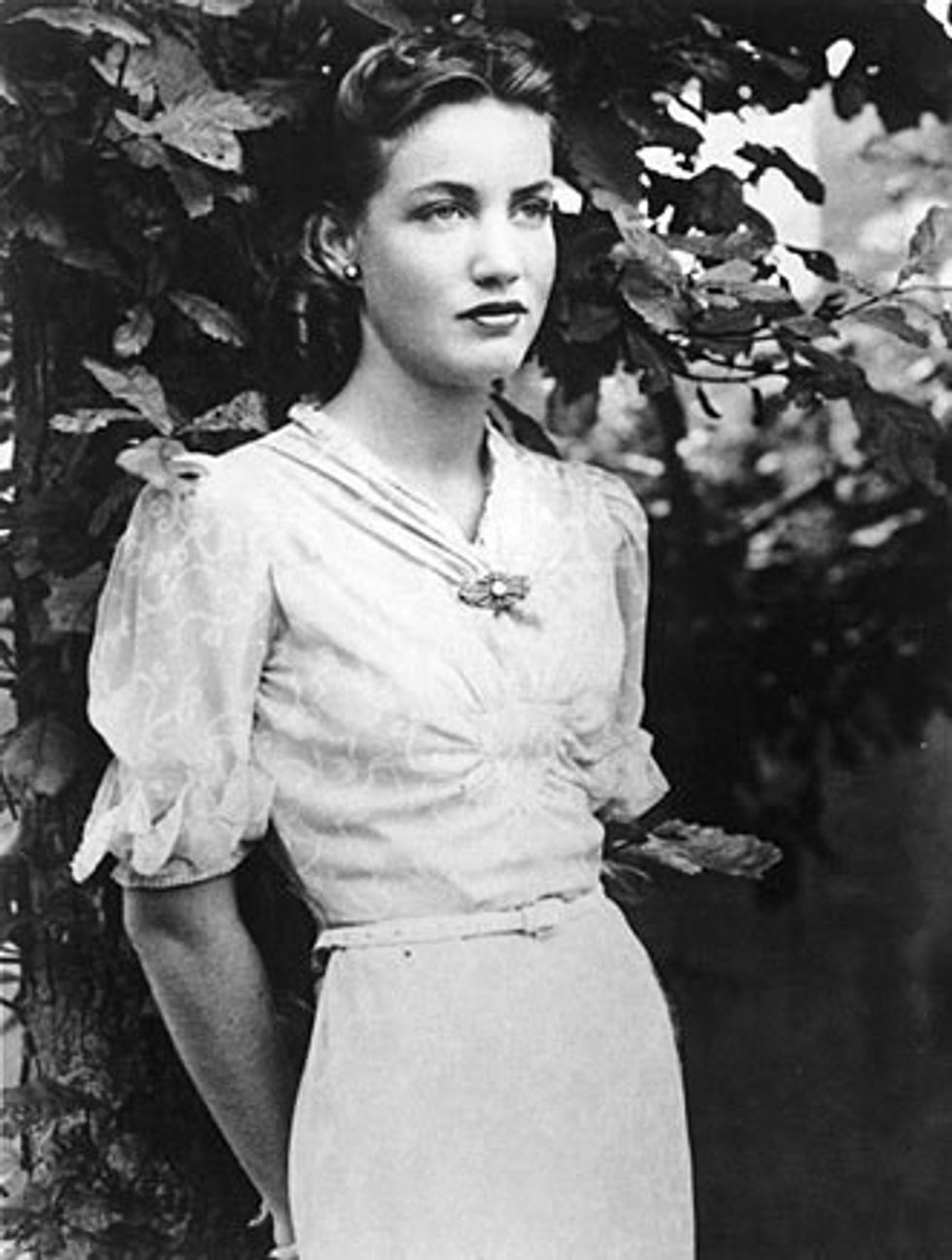
Jacqueline Bouvier Kennedy Onassis' aunt, Edith Bouvier Beale, married Phelan Beale, a lawyer, and had three children, one of them being "Little" Edith Beale. Big Edie never fit in with the high society family she was born into and also married into. Big Edie loved the stage and wanted to pursue a singing career, but her family did not allow it. Big Edie was very attached to Little Edie, even taking her out of school to go shopping with her and blaming it on a "respiratory condition." Little Edie eventually attended Miss Porter's in Farmington, Connecticut and spent her summers in East Hampton being known as "Body Beautiful Beale." Little Edie was the it girl of East Hampton. She was even proposed to by Joe Kennedy Jr. Big Edie, an extremely narcissistic mother, ruined her engagement to Joe in order to keep Little Edie closer to her side.
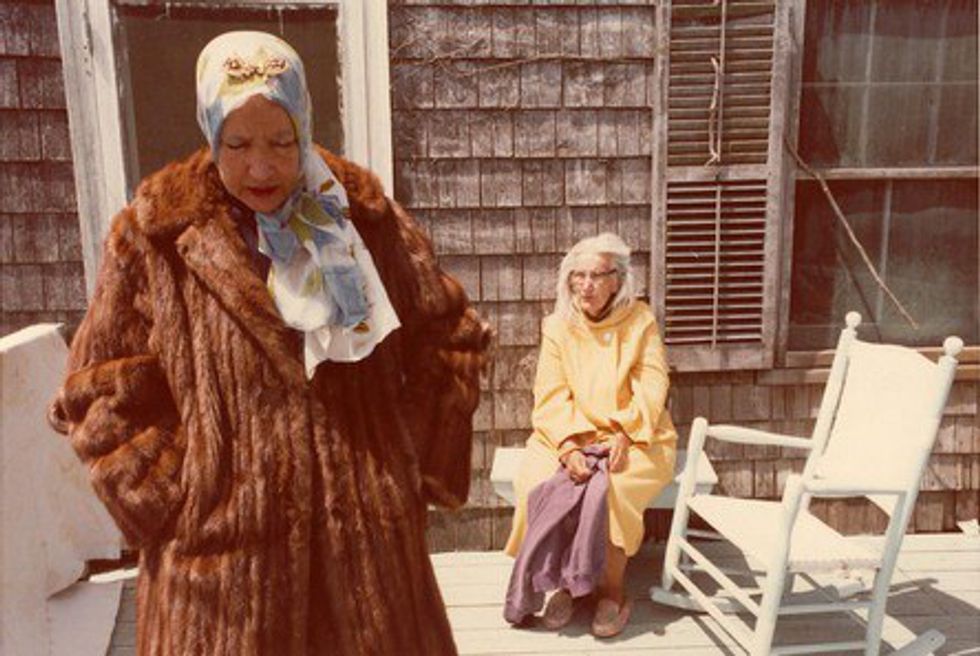
Little Edie wanted nothing more than to leave Grey Gardens and her selfish mother, so she did just that and went to New York. Little Edie wanted to be a singer and dancer like her mother once had. As soon as she was about to get her shot in the business, her mother, knowing that Little Edie would have to return to Grey Gardens, stopped supporting her. The twisted, co-dependent relationship between the two Edies brought Little Edie back home, after Phelan Beale had divorced Big Edie and left her penniless.
Despite losing most of her fortune, Big Edie was determined to maintain the lifestyle she was accustomed to and refused to leave Grey Gardens. Big Edie was a staunch woman. After years had passed, the women could no longer afford their help and the condition of Grey Gardens began to deteriorate. Big Edie and Little Edie became completely isolated from the outside world in their home. A documentary, titled Grey Gardens, made by Albert and David Maysles, showed the lives of the two women in Grey Gardens. Big Edie would sing and Little Edie would design unique outfits for herself to wear. This film brought attention to the story of the two women, but behind the eccentric ladies living in the trashed out mansion with endless cats, there lies a sorrowful tale of a mother, who robbed her daughter of a life. Little Edie longingly speaks of the adventures she had away from Grey Gardens and attempts to leave, but each time Big Edie manipulates her into staying.
Big Edie and Little Edie were characters and did not restrain from being themselves. In that sense, they are inspiring. On the other hand, Big Edie stole her daughter's life by being selfish and manipulative. Little Edie lived in Grey Gardens until Big Edie passed. Little Edie died alone in her condo in Florida and was unable to live a normal life. Grey Gardens was sold and restored to a beautiful state. In addition, Grey Gardens was adapted into a film, where Drew Barrymore plays Little Edie. It was also turned into a musical, which is now at the Southwark Theatre in London. The tale of Grey Gardens is one that is completely fascinating, yet utterly depressing. Life is an unexpected, twisted journey that we must be cautious of. In summary, get away from crazy mothers while you can, hold back on the hoarding, and don't get too many cats, because someday you too could confuse the cat food with liver pâté.