

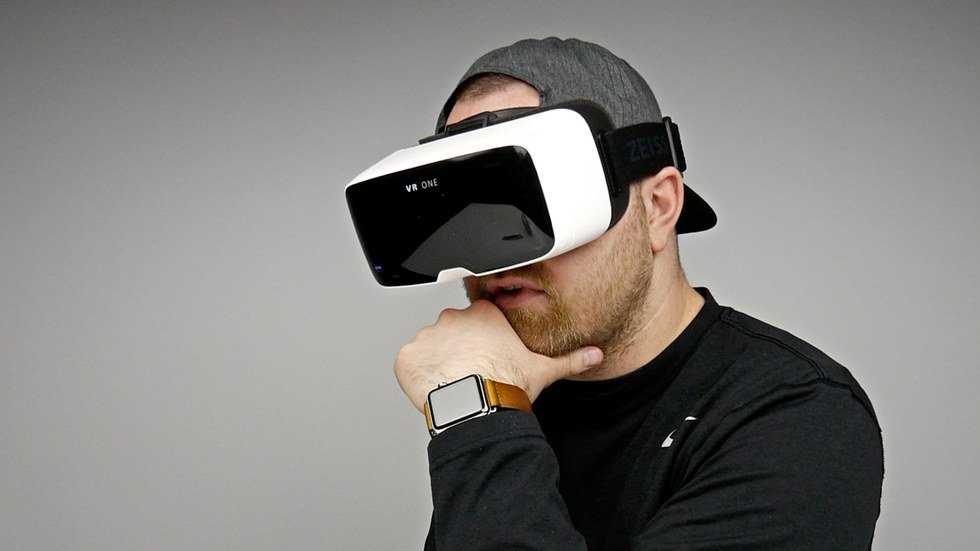
One of the hottest buzzwords in the technology industry today is virtual reality. The promise of true immersion in a virtual space is exciting. One moment you could be in a beautiful rendition of your new house you are thinking about buying, or you could be in a post-apocalyptic world. Originally set to be the next step in video gaming, virtual reality has recently taught the tech world that it can be utilized in nongaming areas. Right now, hundreds of companies like Facebook, Microsoft, HTC, and many others are currently developing VR headsets.
The reason VR is not as big as much the tech industry wants it to be right now is because of the price of admission. Virtual reality headsets are set around $500 to $800. This usually depends on the manufacturer and quality of the given headset. For the average consumer to spend that much for what is considered a luxury item is not the most appealing aspect. Plus, the fact that it has to compete with other home entertainment devices that have been on the market for much longer does not help. Not to shoot VR out of the equation, but the device does have to face an uphill battle.
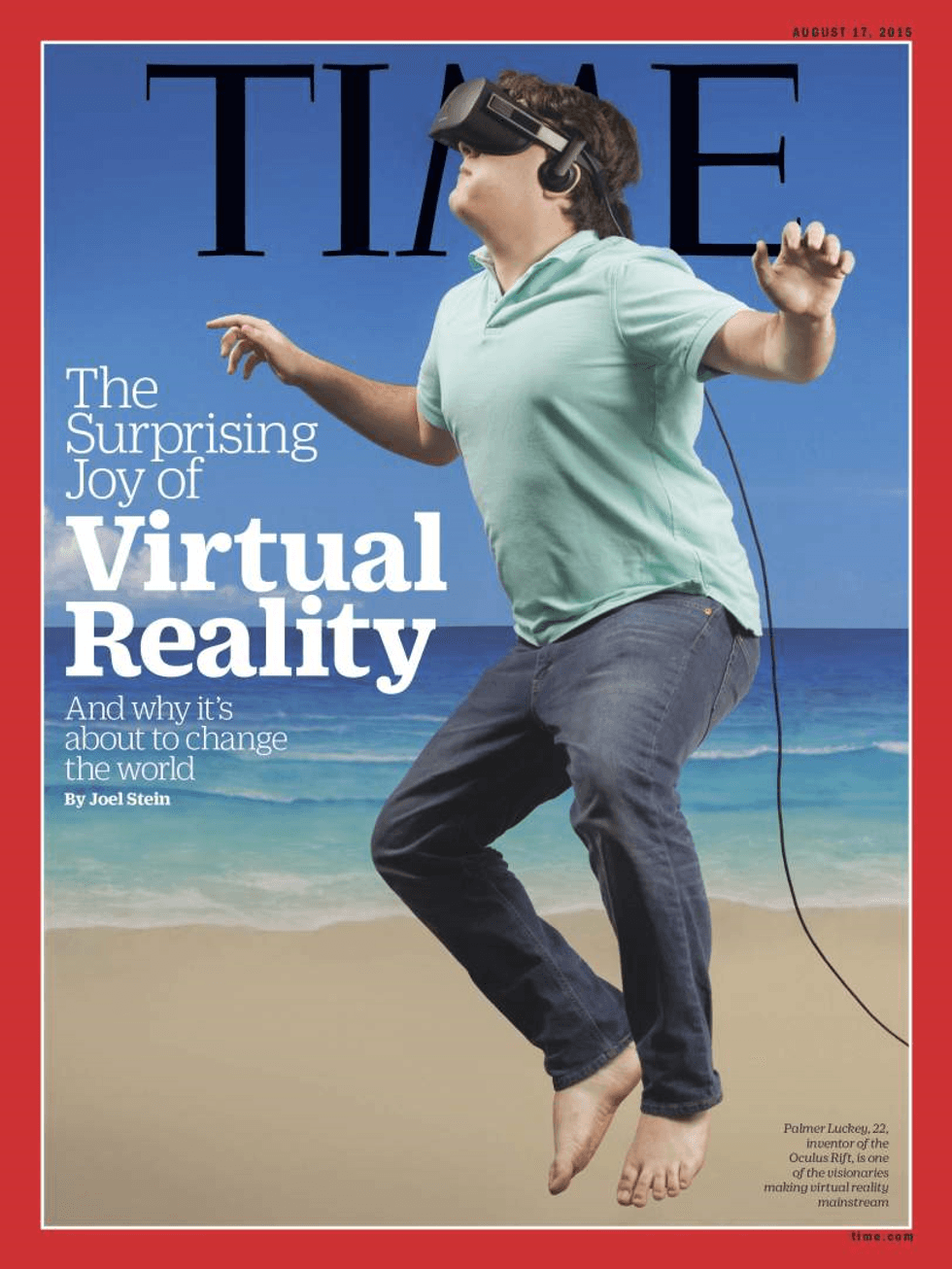
The founder of Facebook Mark Zuckerberg estimated that it would take about 10 years before virtual reality would reach the mass market. The biggest factor for virtual reality’s success is going to be the early adopter. Every piece of technology, in every era has had one. The people who are most passionate about the item, who have been following the development of the tech since its announcement. We usually see them as the people who will be camping outside the Apple store every year with the release of the new iPhone. The reception of the early adopters is also important to having the rest of us accepting VR as the newest addition to the living room.
One issue with virtual reality and its biggest hurdle to overcome as an entertainment device is a move towards more antisocial tendencies. For scientific, and medical applications the headset is an excellent addition, and opens the door for new and exciting opportunities in those fields. However, on the entertainment side of things, virtual reality opens a question of if we are becoming more antisocial? The argument can still be made today that cellphones have reduced our overall face to face interaction. Virtual reality, on the other hand, brings this question to the forefront of how far we should bring technology? Although the level of immersion is unlike anything else on the market today, from an outsider’s perspective, you just have a screen over your face.
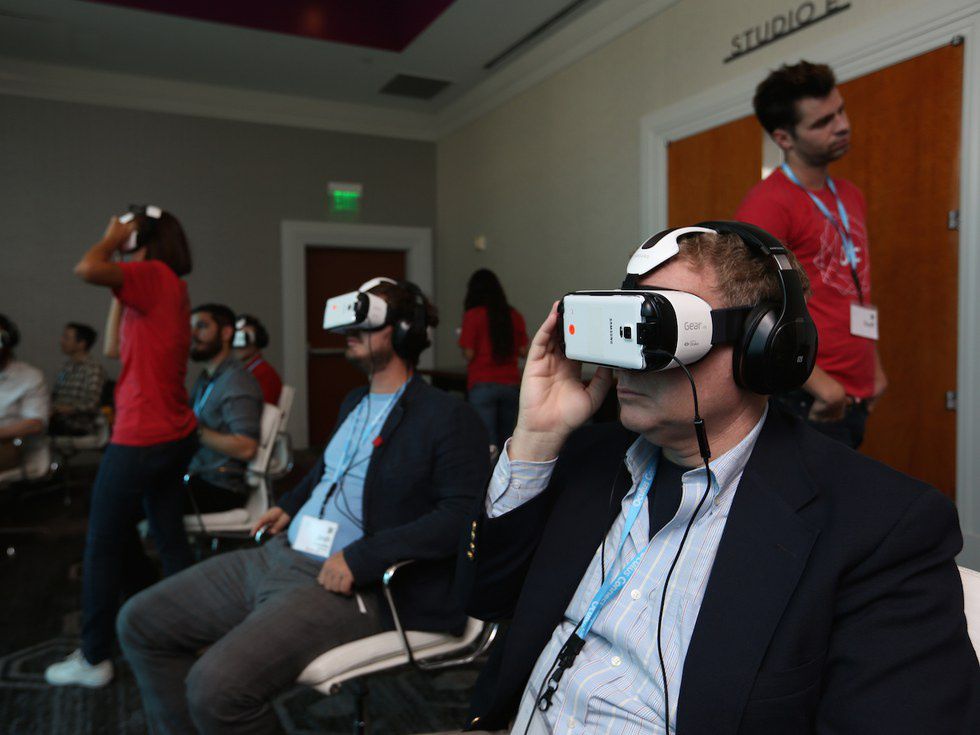
Are these complaints valid? Or are they from a fear of progression from older generations? People have always had their opinions regarding new tech, and in all cases, new technology was not the end of the world. We learned to adjust to television, cell phones, and other luxuries as a part of our lives. Although VR might look odd to onlookers, the possible implications it has outweighs any negative opinions towards it. Like any other innovations in technology, moderation is key. Virtual reality should not take over people’s lives but overtime it will become a normal part of modern living.