
It's hard to imagine the domestic film market and box office without superhero films. For the past decade or so, they've been dominating the realm of film. One of the most important elements in the superhero film renaissance is Christopher Nolan's Batman trilogy. Rather than recreate the comic book on screen, Nolan went for a more grounded approach; what if Batman was a theatre piece? Rather than just a man in a costume, what if he puppeteered his own image as a symbol? While the trilogy is a tremendous success, scoring billions in revenue, the second film, "The Dark Knight," critically eclipses his swan song, "The Dark Knight Rises." Don't get me wrong, "The Dark Knight" deserves every bit of its praise. The psychological interplay between criminals and civilians, the character development, the action sequences; but, "The Dark Knight Rises" does all of these things to. And if I'm being honest, I think that it improves on them.
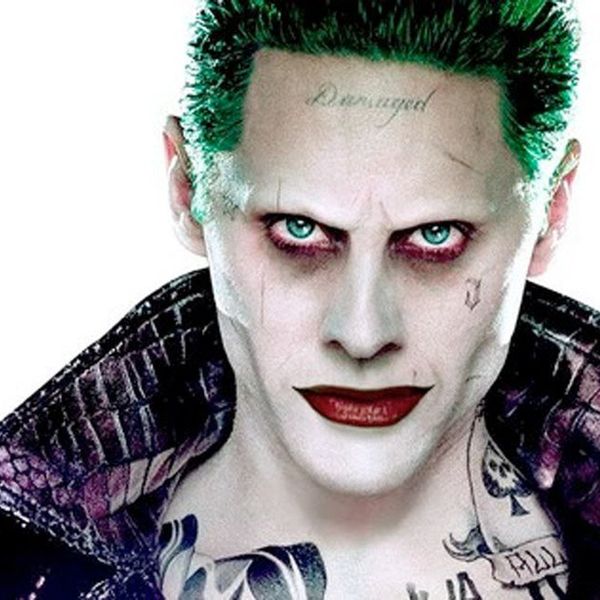
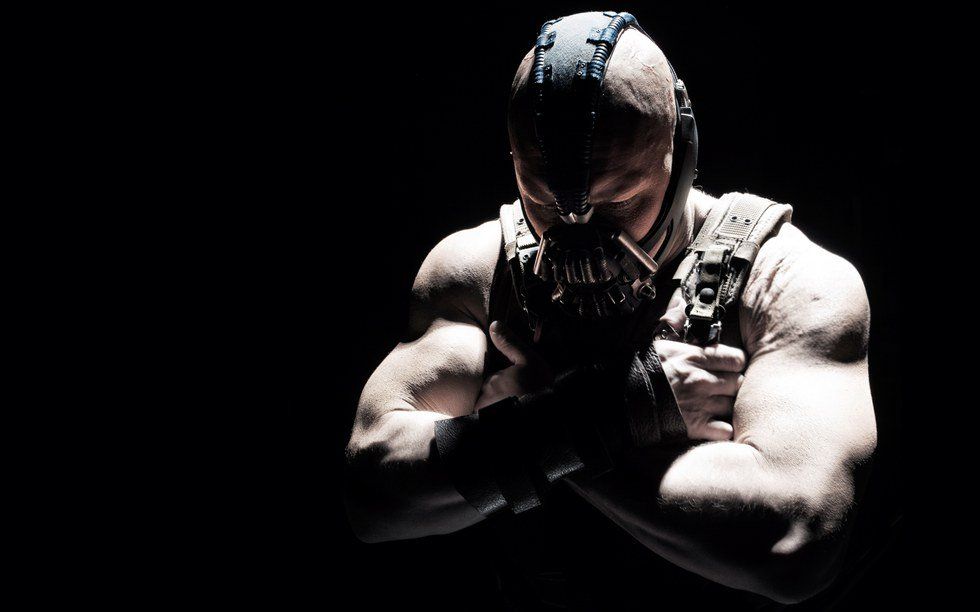
"The Dark Knight" has become synonymous with Heath Ledger's performance as the Joker. But, I find Bane to be more compelling. Not only are we seeing a fractured mirrored image of our own protagonist, but we're seeing someone who poses both a physical and mental threat. While the danger of the Joker lied within his wits, Bane's venom is found in his wit and his stature. This is someone who breaks Batman literally and figuratively. This duality alone makes him more striking.
The dialogue of Nolan's final piece in his Batman series seems to have been vastly overlooked. While Bane is usually a source of vocal imitation and parody, one of the true strengths in the film lies within the writing. Bane is a Shakespearean villain. He speaks in poetry, his words becoming weapons. There is a brilliant sequence towards the end of the first act of the film in which Batman and Bane duel (in which Batman gets his ass kicked) in a tunnel. This scene is so fueled with energy. You have Bane spouting out lines like "Oh, you think darkness is your ally. But you merely adopted the dark; I was born in it, molded by it. I didn't see the light until I was already a man, by then it was nothing to me but blinding!" while also beating Batman physically. This also speaks to the aforementioned duality in threat.
Alas, the threats in "The Dark Knight Rises" have been turned up to 11. Gotham was at risk of social collapse in "The Dark Knight." Here, we actually witness said collapse. We see captured police officers, frightened civilians trapped in their homes-Gotham is literally taken over. The social structure, an element important to the entire series, has finally been undone. Nolan was able to bring home the idea of class warfare.
The film isn't without its flaws. The pacing isn't nearly as good as "The Dark Knight's," and some of the plot points can be a bit muddled. But, as a fan of Nolan's realistic as possible treatment of Batman, I can't watch this film and not find it to be the most striking. Showing me the potential in the downfall of society and heroes and the efforts of villainy over traditional heroism is interesting. But actually showing me that downfall? Amazing.

















