During her triumph in the late 1980s and early 1990s, Kylie Minogue was the definition of a glittery pop princess. Being the complete product of her label, PWL and the Stock Aitken Waterman production team led Kylie to a string of top hits in Europe, Japan and Australia. As should be expected, this also gave Kylie a poor reputation. She was often regarded as either a product, or at least an artist with no actual concept of original creativity by her critics. It was when she moved to Deconstruction Records in 1993 that this all began to change. While her image had certainly begun to undergo a drastic change with the release of her self-titled album in 1994, it wasn’t until 1997 that she had truly gone 180° from her “I Should Be So Lucky” self.

Kylie was most influenced by her boyfriend at the time, French photographer Stéphane Sednaoui. He had inspired her not only explore creative outlets, but to re-brand herself as an artist. The couple had shared a mutual appreciation for Japanese culture, and chose to blend geisha and manga imagery when creating the concept for Kylie’s next musical era.
The album was then known as Impossible Princess (or Kylie Minogue, again, in the UK due to the passing of Princess Diana). The music backing the album was first sourced from poems written by Kylie, leading to many raw, emotional tracks. It was decided toward the end of the album’s production that there was also a need for more commercial-sounding songs. This blend of raw human emotion and perfectly crafted feeling created a very interesting dynamic for the record. Kylie Minogue truly was the eponymous Impossible Princess and a window to her life as the quintessential pop tart was born.
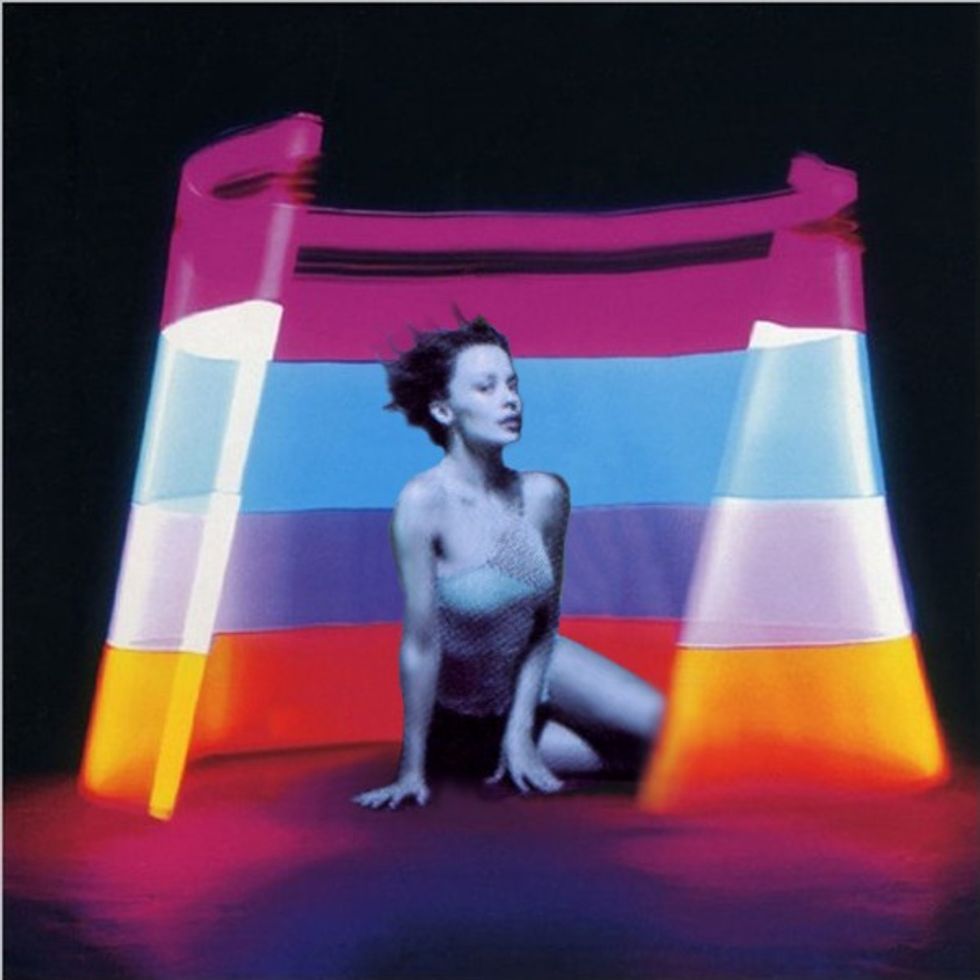
While the music was obviously a very strong factor in what made the album so special, nothing topples the visual imagery associated with the album. The photoshoots used an incredible blend of lighting and atmosphere to really drive home the idea of the Impossible Princess. It is important to note that the photos were shot well before an era where Adobe Photoshop could create any and all types of images desired by the team. While the album photo shoots certainly display Kylie’s ability to convey strong emotion through modeling, they also show how talented Senaoui was at this time.

What musical era is complete without music videos? Kylie released two impacting music videos during this time. First, the video for “Did It Again” which showcased the singer as more than an entertainer. By mocking the other personas shown throughout her career (Sexy, Cute, Indie, and Dance Kylie), she not only helped to make light of her previous reputation as a typical pop star, she also helped to create a new image displaying that she can pull off many different personas. The video for her Towa Tei collaboration, “German Bold Italic,” put Kylie in a geisha getup, roaming around city streets and subways.
Although it may have been a truly bizarre time in pop music in general, Kylie Minogue managed to entirely recreate her image during her Impossible Princess era. Her usage of visual imagery really solidified her place in the music industry. She managed to become the artist that is well known and loved today.