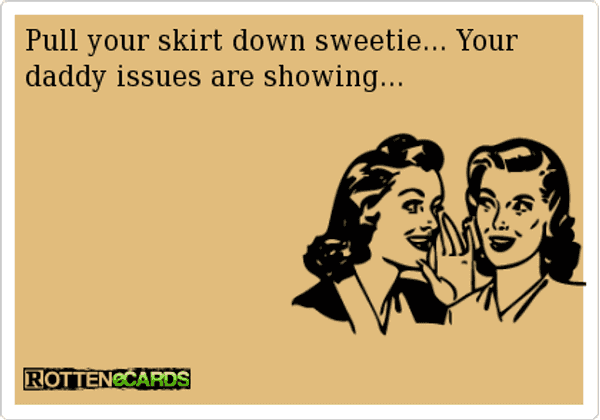
While mindlessly scrolling through Twitter one day, I came across yet another thread. A Twitter thread is often used for conversations between users, but recently, users have made threads in order to preserve connecting tweets in one communal place. There are threads for everything, from showcasing the different types of "Carefree Black Girls" to a favorite of mine, videoclips from music videos preciously dubbed "#hoeanthems" by Twitter user @blackheaux. Hoe anthems celebrate the sexual liberation of women, while also calling out the slut-shamers. Hoe anthems are extremely important in the shaping of mindsets in this society and I am definitely here for them.
What exactly is a "hoe anthem"? A "hoe anthem" is a song where a grown woman is expressing her sexuality. It can use direct language like Khia's "My Neck, My Back" or it can make use of sexual innuendos like Kelis' "Milkshake". The term "hoe" is used as a way to diminish the negative connotation previously associated with that word. Women are taking the word "hoe" back from the ashy hands of men who believe that the only women who deserve respect in their lives are their mother, sister, auntie, and grandmother. The word "hoe" is no longer being used as a way to shame women for being sexually active. The term "anthem" is used because there is nothing to be ashamed of. These music artists are not singing about sex in secret. They are announcing to the public that they are grown women who *gasps* enjoy having sex. I mean Blue Ivy did not get delivered to Beyoncé and Jay Z's doorstep by a stork.
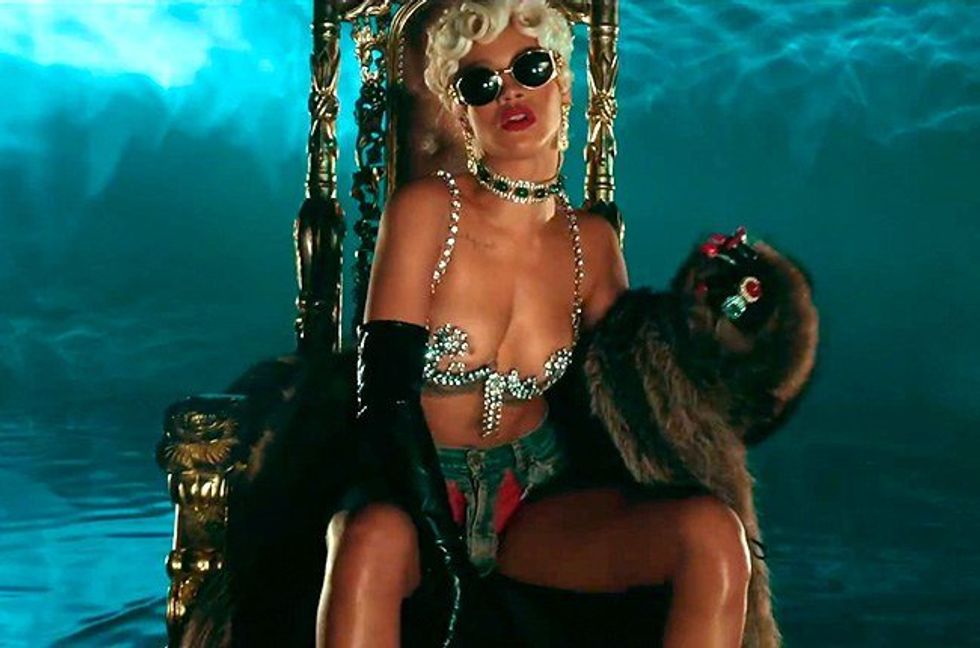
"Hoe anthems" are also usually met with a lot of harsh criticism from the public. Rihanna's "Pour It Up" music video was banned from the music video streaming and sharing service, Vevo, within 10 minutes of it being uploaded and Ciara's "Ride" music video was banned from the television network, "Black Entertainment Television" or "BET". The reasoning behind the banning of "hoe anthems" is usually because of the sexual content of the music video, but there is a clear double standard. For example, there are numerous music videos, like French Montana's "Pop That", in which a male rapper or rappers are surrounded by bikini-clad women who are dancing "promiscuously" and these music videos are regularly circulated on BET's "106 & Park". In fact, here is the Vevo link to French Montana's music video that was never banned from Vevo.
The anthems show women that it is perfectly normal to express their sexuality to the public, as men normally have the privilege to do, as seen in the "Magic Mike" franchise. "Magic Mike" and the sequel, "Magic Mike XXL" are movies centered around male strippers at a male strip club. These movies are openly screened all around the world, including countries like the United States and Australia. "Hoe anthems" are also important because they support the fact that women are not solely here to satisfy the sexual needs of men. Women want to please themselves. Women do not always twerk in order to attract attention from men, sometimes the beat is just too bomb to stand on the wall. These anthems attempt to put an end to slut-shaming, by encouraging women to talk about sex instead of shying away from it, since a grown women having sex is really no surprise in today's age.
"Hoe anthems" are changing the long standing stigma that a woman should only talk about sex in her bedroom and that if a woman demands respect in a relationship, she should only have a certain number of sexual partners. I say keep the hoe anthems coming along with the "raunchy" music videos! "Hoe anthems" convey a powerful message. That message being it is fine if you are sexually active and it is fine if you love to twerk at parties while everybody stands and gawks, you are still a woman who deserves respect.