
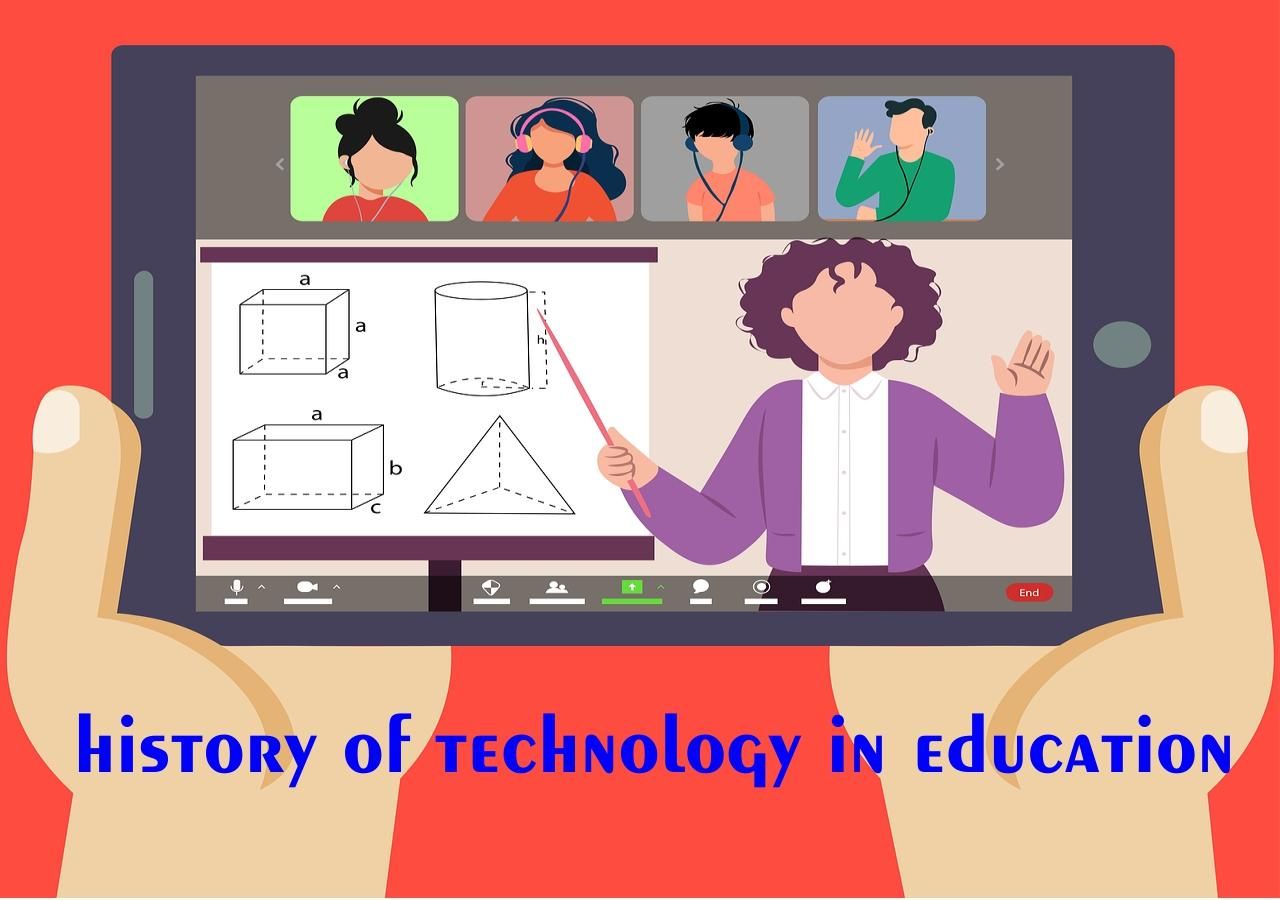
The 21st century has brought about many changes, and education is no exception. With technology becoming increasingly ubiquitous in our lives, it was only a matter of time before it began to take over the classroom.
And lucky for us, that is exactly what has happened. In this article, we will explore how technology has transformed education. Some sites like Sushiltechvision provide technology-related things that have made learning new things easier.
It is hard to believe that schools were still using blackboards and chalk to teach students just a few years ago. These days, technology has completely transformed the educational landscape.
Students now have access to tablets, laptops, and smartphones in the classroom, and teachers can use online tools and resources to facilitate learning.
With the help of these resources, more and more students are trying to get scholarships for further studies. For creating ease, the government of Maharashtra has created an official Mahadbt scholarship portal for the students. At this Mahadbt portal, students can easily know whether they qualify for a scholarship or not.
New Technology Gadgets 2023 has drastically changed education over the years, and while this has brought many benefits, it also presents challenges for educators who must adapt to using new tools. In this article, we will discuss both the positives and negatives of technology in education.
Note: I would suggest seeing this laptop ( Enware 17in Laptop ) for learning technology education. I hope this recommended laptop will help you in your education.
History Of Technology In Education
Technology has been used in education since the early days of radio and television. As technology advanced, educational materials were adapted to include computers, software, multimedia presentations, and other digital tools.
This trend continued through the years, leading us to where we are today, with a wide range of smart devices used in classrooms worldwide.
Also read more related articles from aaiyesikhe.com in the Hindi language
The Benefits of Technology in Education
There are many benefits to using technology in the classroom, and some of them include the following:
- Increased Engagement: With the right tools, students can engage more effectively in their learning process. Interactive whiteboards, tablets, and apps can help keep students attentive and focused on their work.
- Enhanced Learning: Technology can be used to create interactive lessons that are more engaging and enjoyable for students. This helps them learn better and makes learning easier for teachers.
- Improved Communication: Communication between students and teachers is enhanced when technology is used in the classroom. Teachers can use social media or video conferencing tools to facilitate learning and quickly answer questions.
- Increased Access: Technology can be used to give students access to resources that they may not otherwise have, such as online databases and libraries. This allows them to gain a wider range of knowledge and can help level the playing field for those who cannot afford expensive textbooks or materials. Examples of Puns and funny english and other humorous usages in the English Language, including quotations, wise sayings, proverbs, funny signs, and useless knowledge.
The Challenges of Technology in Education
Despite the many benefits that technology has brought to education, some challenges must be addressed. These include:
- Cost: Although technology can level the playing field, it can also present an economic challenge for schools and students. Not all schools have access to the same resources or budget for technology, which can lead to an uneven playing field.
- Digital Divide: Access to technology is not equal, and this can create a "digital divide" between students who have access to the latest tools and those who do not. This can lead to differences in understanding of concepts or skills and gaps in knowledge.
- Privacy: With the rise of technology, there has been a need to protect student data and privacy. Schools must be aware of laws and regulations protecting student information online, as well as cyber security measures that should be taken to keep student data safe.
- Overreliance: With technology becoming increasingly pervasive in the classroom, students may become too reliant on it. This can lead to decreased engagement and motivation and poorer writing and communication skills.
How Technology Is Using In Classroom Today
Technology has revolutionized how education is delivered and experienced in classrooms worldwide. Today, teachers use digital tools to engage and motivate students more than ever.
For example, many educators have adopted interactive whiteboards (also known as SMART boards) Nware 17in laptop that allow them to project presentations and educational videos directly onto the classroom walls.
By using a wireless keyboard, teachers can easily control the multimedia content they are displaying, and students can use it as an interactive tool to bring lessons to life.
Another way that technology is changing classrooms today is through the use of tablets and laptops for teaching and learning. These devices can be used in various ways: from allowing students to access online resources like educational videos and interactive games to taking notes electronically and submitting assignments digitally. Tablets also allow teachers to deliver content more engagingly than traditional paper materials.
In addition to these hardware-based innovations, technology has been used for quite some time to help manage classroom activities. With the help of software such as Google Classroom, teachers can easily organize and manage student work, track attendance records and assign grades. This software also enables collaboration between students, allowing them to interact in real time on shared documents or online discussions.
Finally, technology has opened up a new world of learning opportunities outside the classroom. With the help of online courses and virtual classrooms, students can access far more diverse educational content than ever.
Many universities now offer distance learning options for those who cannot attend in-person classes. This technology also allows students to access knowledge from experts all over the world, as well as to collaborate with others in real time.
Positive And Negative Impact Of Technology On Education
Technology has had a major impact on the field of education. On the one hand, it has provided educators with tremendous opportunities to enhance teaching methods and engage students in new ways. However, there are also plenty of potential pitfalls that can come from over-reliance on technology. Let's take a closer look at both the positive and negative effects technology has had on education. Also, you can check what is lbsnaa full form.
Positive Effects of Technology on Education
Increased Efficiency: With the help of modern technology, educators have automated many aspects of teaching and learning, improving both efficiency and accuracy. For example, learning management systems such as Moodle or Blackboard allow teachers to quickly create educational materials and assessments while providing students with a centralized location to access all their course materials.
Improved Collaboration: Technology has made collaboration among students and teachers much easier. Online discussion boards, social networking tools, and video conferencing have allowed educators to create truly global classrooms where students can engage in meaningful conversations with peers worldwide.
Enhanced Engagement: Technology has enabled teachers to create more engaging lessons. With the help of interactive whiteboards and tablets, students can now access multimedia content such as videos, audio clips, animations, etc., which makes learning much more enjoyable. Also, visit the best JPG to Excel Converter.
Negative Effects of Technology on Education
Over-reliance on Technology: One of the biggest risks with technology is its over-reliance. Educators and students may become too dependent on technological solutions for every aspect of learning, leading to a lack of critical thinking skills and creativity.
Cyberbullying: With increased access to technology comes the potential for cyberbullying. Online communication tools can be used to spread malicious rumors, post embarrassing photos, or even send threats. This can create a hostile environment in the classroom and lead to significant emotional distress for victims.
Technology Glitches: Finally, technology is not immune from glitches. Software updates, system crashes, slow connection speeds, and other technical issues can disrupt the learning process. This can be especially problematic in a college or university, where online exams and presentations are often completed.
In general, technology has had a very positive effect on education. Thanks to technological advancements, educators can create more engaging lessons, facilitate collaboration between students and teachers, and monitor student progress more effectively.
However, some potential risks are still associated with over-reliance on technology or its misuse. Therefore, educational institutions need safeguards to minimize these risks and ensure students have access to a safe and productive learning environment.
FAQs
There are some frequently asked questions that people have about the impact of technology on education.
Q: How has technology changed education?
A: Technology has had a major impact on the field of education. It has allowed educators to create more engaging lessons, facilitate collaboration between students and teachers, and monitor student progress more effectively.
Q: What are some potential risks of using technology in the classroom?
A: Some potential risks include over-reliance on technology, cyberbullying, and technical glitches, which can disrupt the learning process. Therefore, educational institutions need safeguards to minimize these risks and ensure students have access to a safe and productive learning environment.
Q: Are there any benefits to using technology in the classroom?
A: There are many benefits to using technology in the classroom. Technology can help increase student engagement, provide access to a wide range of multimedia content, and enable teachers to track student progress.
Conclusion
In conclusion, technology has had a highly beneficial impact on the education field as a whole.
Among other things, it enables educators to develop more interactive lessons, helps students and teachers collaborate better, and allows for closer monitoring of student progress.















