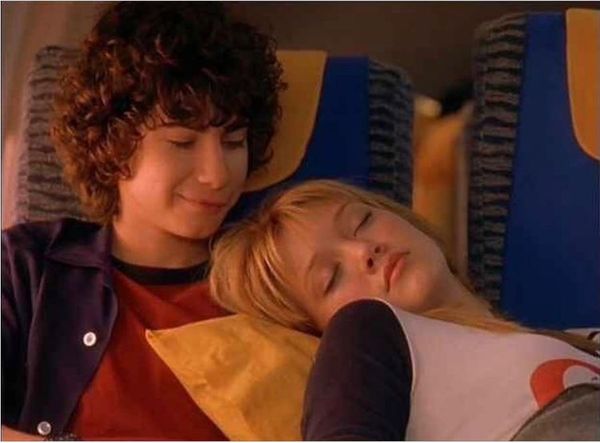
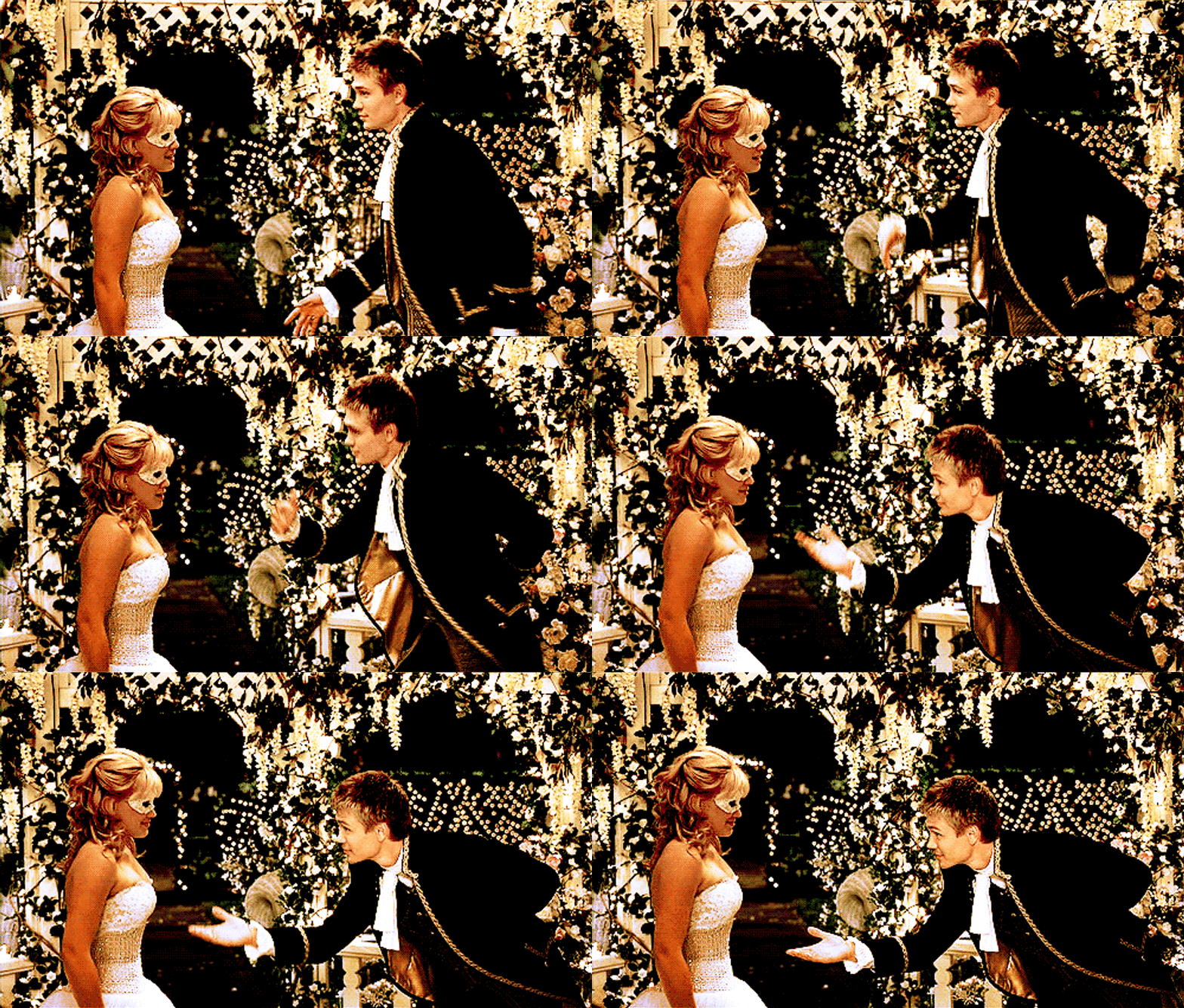
During the summer months, I spend an embarrassing amount of time binge-watching mind numbingly cheesy films and television dramas from earlier years. 10 Things I Hate About You, Grey's Anatomy, The O.C., Legally Blonde, etc.—you name it. I must shamefully admit that I thoroughly enjoy the entertainment and humor in the aforementioned. However, I could not help but notice the fact that most of the female characters—both protagonists as well as supporting characters—are often portrayed as damsels in distress. They never seem completely content until they have their knight in shining armor.
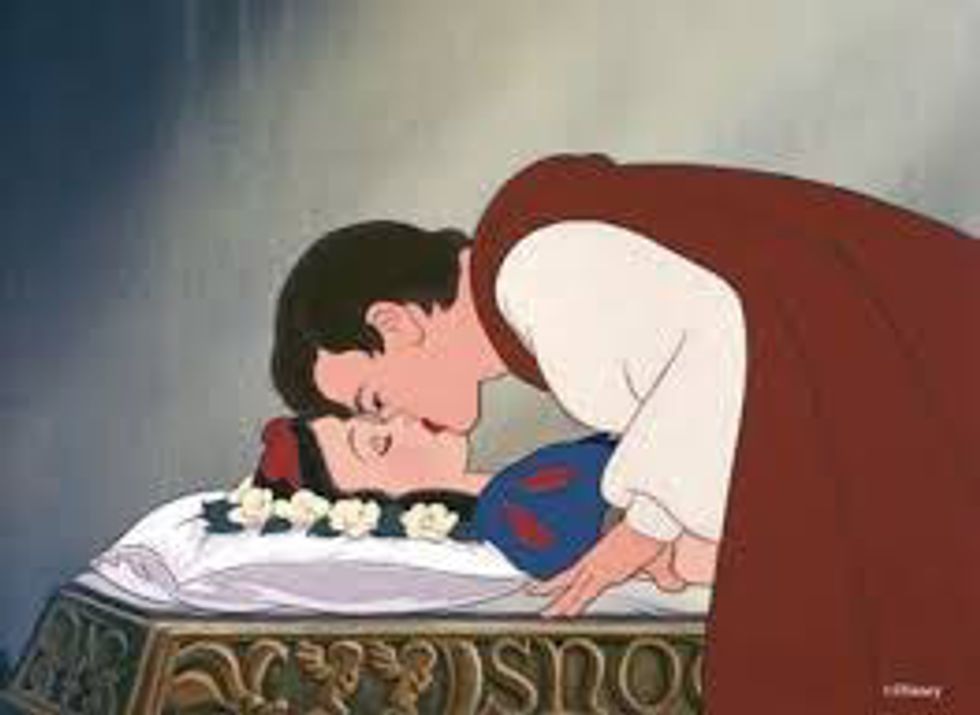
I am in no way condemning, or criticizing, the idea of having a Prince Charming. Riding white horses, having a constant flow of flowers, always being serenaded....It sounds like a pretty good life. However, I am confused as to why films often paint success of their female characters as an obstacle in the female characters' way of being with their princes. Summer Roberts from The O.C. has to choose between saving the otters and her relationship with Seth Cohen. Similarly, in the later seasons of Grey's Anatomy, Dr. Cristina Yang constantly struggles to juggle her desire to become the best surgeon, and her desire to become the best for Owen Hunt. Is it not possible to have both success and a prince?
Production companies not only equate the importance of success to finding a prince, but also humor the idea of success for women. In Legally Blonde, Elle Woods aspires to attend Harvard Law School in order to win back the affections of her ex-boyfriend, Warner. Her parents initially disagree. Woods' mother mentions the importance of maintaining her title as First-Runner Up at the Miss Hawaiian Tropics contest, and her father's reaction was, “Law school is for people who are boring, ugly, and serious." Though intended to be a comedic film—believe me I laugh every time I see it— this scene makes being attractive and serious appear mutually exclusive. A woman who is both successful and beautiful? Impossible. *Cough* Amal Clooney *Cough*.

From an academic standpoint, I assume the reason that films and television dramas depict their female characters in such a way has to do with social norms and facts, along with assigned gender roles in society throughout history. Though completely understandable, these stereotypes are outdated. In an era where independence is not only accepted, but also commended, there is no place for production companies to promote damsels in distress. It was more understandable for the older films to have these stereotypes, but not for the newer productions of the 21st century.

The target audience for most of these television series appears to range from teenagers to middle-aged individuals. I understand that production companies aim to entertain, not to inform. However, these roles may have an impact on our society. Rachel Newer from the Smithsonian compares the teenage brain to “play-doh"—impressionable. Thus, continuing to integrate these archaic stereotypes into films and television only promotes a sense of dependency on males, and diminishes the grandeur of independent success to women in younger generations. Even though the media says otherwise, you CAN have your cake and eat it too.