According to UN Emergency Relief Coordinator Stephen O'Brien, the world is now facing a humanitarian crisis not seen in decades as widespread conflict and famine continues across Yemen, South Sudan and Somalia. When speaking to the Security Council of the UN, O'Brien said "We stand at a critical point in history. Already at the beginning of the year we are facing the largest humanitarian crisis since the creation of the UN." According to O'Brien, 20 million people now face starvation and unless comprehensive measures are taken by the global community, people will starve to death.
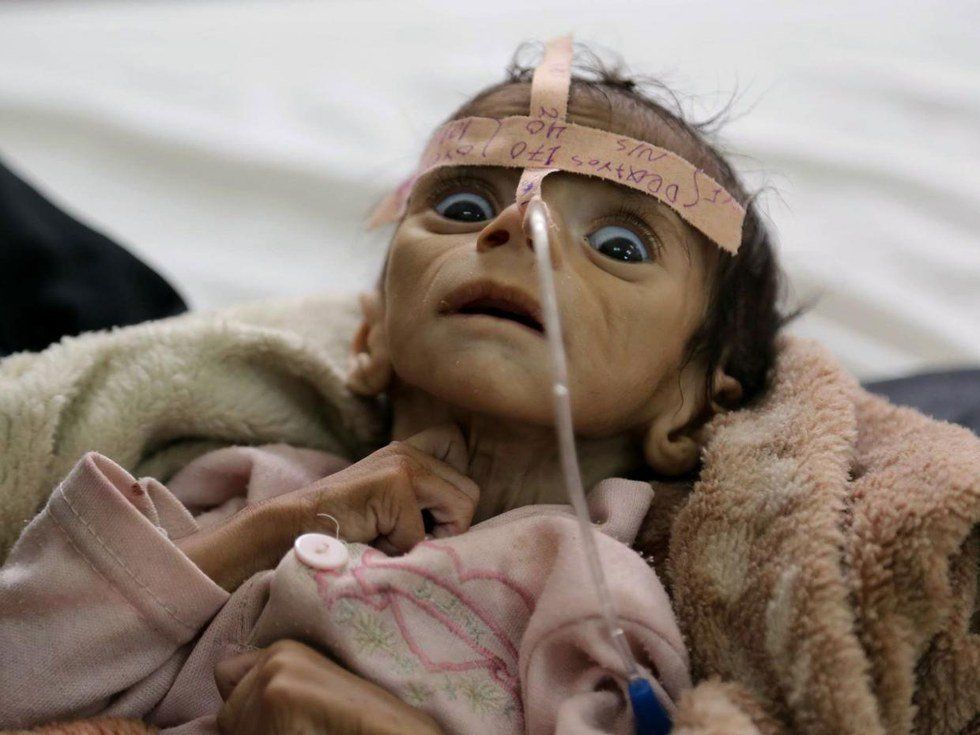
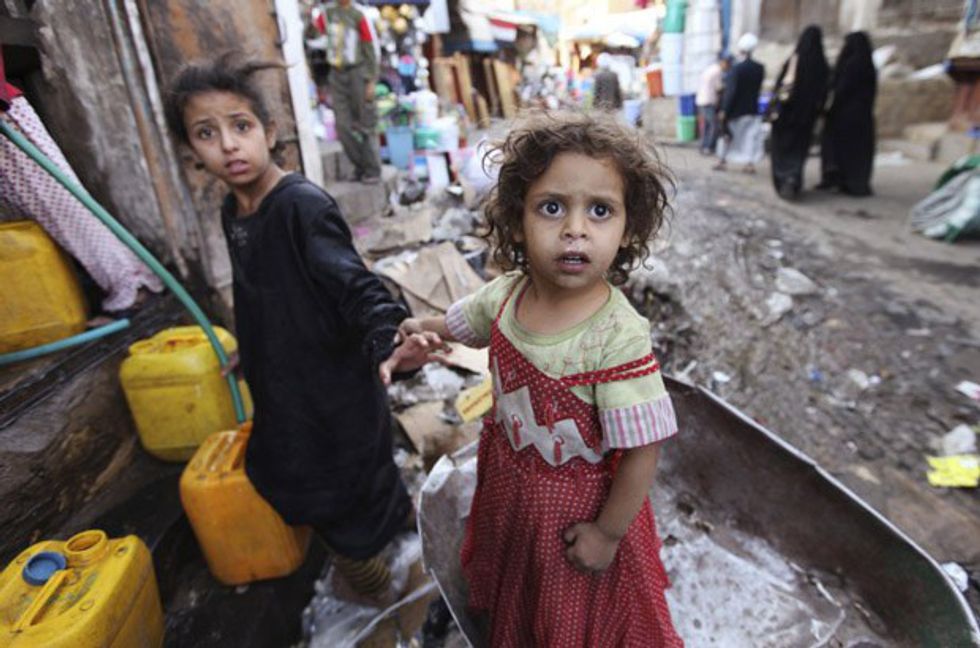
In Yemen the situation is at its worst. O'Brien states that two-thirds of the population, or 18.8 million people, are in need of assistance while more than 7 million people are going hungry and have no clue as to when they are going to receive their next meal. The heavy fighting in the country is only making matters worse as millions are being displaced and health facilities are being destroyed allowing diseases to run rampant throughout the country. All parties to the conflict are arbitrarily denying humanitarian access and politicized aid, prompting O'Brien to say that "if they don't change their behavior now, they must be held accountable for the inevitable famine, unnecessary deaths and associated amplification in suffering that will follow."
In South Sudan the crisis is just as dire, 7.5 million people are in need of assistance, 3.4 million people are displaced of which 200,000 have already tried to flee the country since January stated O'Brien. The famine here is man made with the parties of the conflict contributing to the famine. The famine is hitting children especially hard here with "more than one million children are estimated to be acutely malnourished across the country." Of those children, 270,000 face imminent risk of death if they are not reached in time with assistance. Disease is also spreading in South Sudan with a cholera outbreak that started in 2016 spreading to more locations.
Somalia is being hit hard as well according to O'Brien. More than half the population, or 6.2 million people, are in need of humanitarian aid or protective assistance. Of these, 2.9 million people are at risk and require immediate assistance with close to 1 million children under the age of 5 expected to be acutely malnourished this year. O'Brien states that 160,000 people have been displaced due to severe drought conditions which adds to the 1.1 million people that are already living in appalling conditions around the country. This brings back echoes of the 2011 famine in Somalia that killed 260,000 people before the famine was even declared.
According to O'Brien, we can still prevent the disaster from happening, but the international community must act now. He states that we first must tackle the precipitating factors of famine, then we must allow safe and unimpeded access to people who are in need of humanitarian aid. Finally we must end the fighting in these countries.
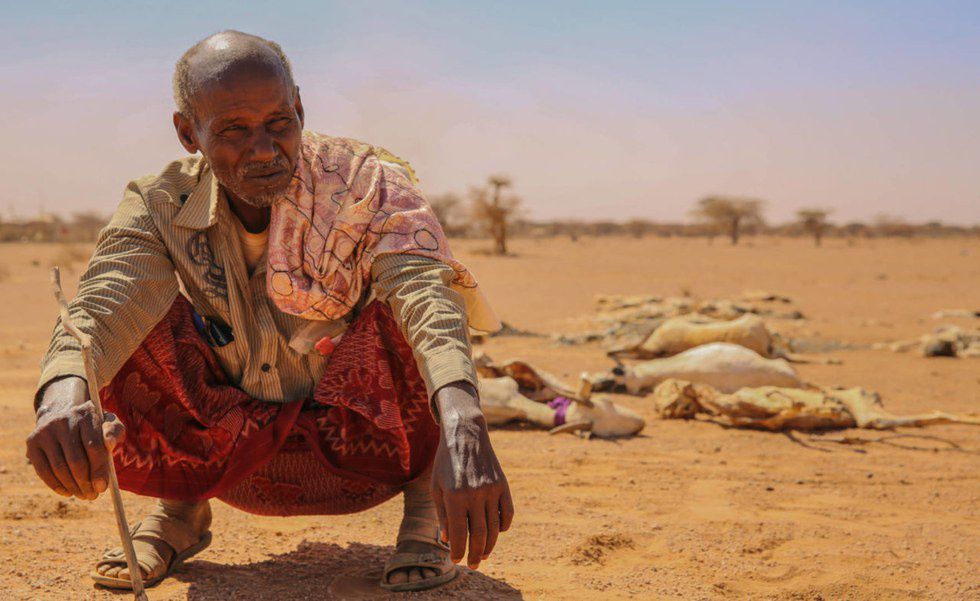
All of these countries are facing a severe humanitarian crisis and are in need of assistance. Women and children walk for weeks in search of food and water. Action must be taken immediately to avert the death of millions of people. O'Brien states that in all of these countries and others such as Nigeria, large sources of funds are necessary along with safe and clear access to the areas affected. He adds that $4.4 billion is needed by July. If no action is taken by the international community to avoid this catastrophe then millions of people will die along with political gains being reversed and livelihoods being destroyed.