
Are human beings instinctively mean creatures or have we adapted to the selfishness of the universe?
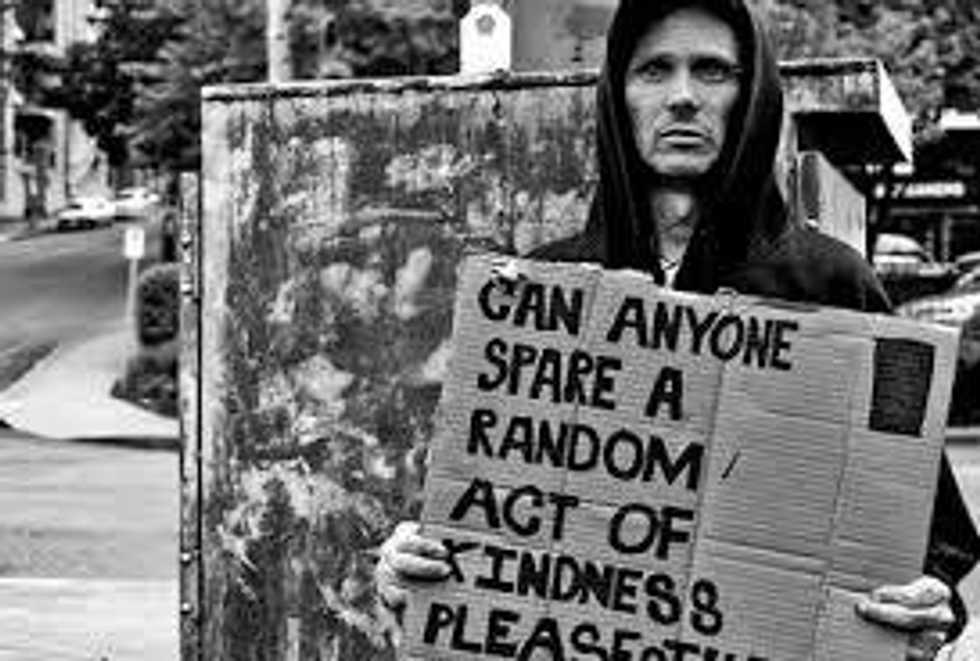
One of my favorite social media handles to search, particularly on Instagram, is Humans of New York. It is one of the very few outlets in the media and public eye that showcases the vulnerability of humans and restores all faith in humanity. With structured planning, the producers of this account highlight seemingly random “everyday” folks who would perhaps otherwise be overlooked by the average everyday citizens. For example, in some segments, they visit prisons and detention facilities, strangers living taboo lifestyles in other countries, drug addicts, New Yorkers living on the street and in the subways, or homeless with their children. Each picture post is followed by an extremely heart-wrenching and in-depth interview or quote about the circumstances or situations the person has been challenged with in their life, instances which are typically unexpected based on their physical appearance. In this way, HONY reminds humans of the world just how similar we all really are despite how we all may physically, emotionally or mentally carry ourselves differently.
Over the last couple of days, I began to think more and more about how we, as humans (and Americans), live (and are consumed) in a misogynistic and capitalistic environment that ultimately projects, counters and reflects judgement from ourselves to each other in such a “normal” way that pages like these have to be invented to remind ourselves of the common, simplistic human structures that are no better than anyone else.
Or in other words, why is it that acts of kindness and authenticity are more celebrated in terms of sympathy and empathy? Have we trained our bodies and minds to become so much of a shield that selflessness is to be emphasized and gloried through social media? And if so, are we too far gone?
One of the mottos I live by is: The world does not owe you anything. In so speaking, even I have inherently trained myself to believe that the world will give way more spoiled apples than good ones. As a human, would I be wrong to say that this philosophy is emulated through a significant amount, if not all, of human encounters? For instance, we are so quick to expect the worse from others without ever considering the good. This is also exuded through trust issues. (We all pretty much have them.) It’s the fear of trusting others because you have become accustomed to being let down or have laid your trust in the wrong hands one too many times. But in these incidents, why should one bad experience alternate our behavior for the rest of our lives?
When we were babies without a sense of direction, we were open to latching on to estranged family members, wearing hand-me-downs if provided, and displaying characteristics of laughter, smiling, spitting and hugging without a care in the world. In those short years, we were nice even when we were mean. We were our most genuine selves, I argue. Our curiosity became the key to influence.
However, as we grow to adulthood, we realize that not everyone is worth holding on to, better yet, some choose to keep anyone from getting too close.
We have become mean.
Not only in the aspect of unkindness, but also (and more so) in the notion of becoming our most closed self. Our environments and those around us have influenced a protective sphere we project around ourselves — one that seems detachable until death. But how, if possible, can we detach ourselves from the crudeness of the universe to regain our most esteemed selves?