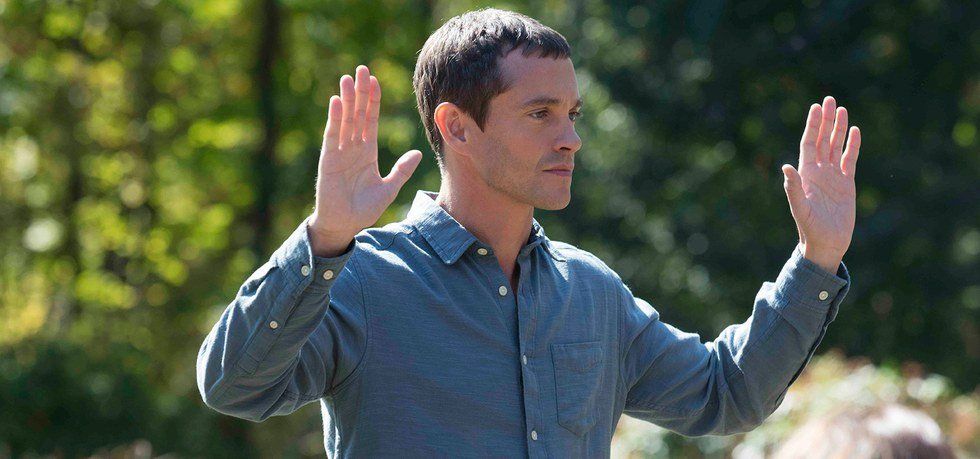
Streaming service Hulu’s latest original drama series “The Path” explores, amongst others, themes of trust and religious faith through the story of members of a cult, or a “movement,” called Meyerism.
While cults can be seen on TV as the subject of the occasional episode of an episodic TV crime or supernatural drama, “The Path” offers a more centralized and focused look at the phenomenon, and thus allows the audience the chance for deeper contemplation of the aforementioned themes. Starring Aaron Paul, Michelle Monaghan, and Hugh Dancy, the acting is one of the show’s strongest elements, emphasizing the emotional depth of the already complex characters.
The first two episodes of the series premiered March 30, and with each episode lasting a dark and serious 55 minutes, it’s not without faults and not for those who seek light entertainment, but is ultimately captivating and -- much like Meyerism itself -- is bound to develop quite the following.
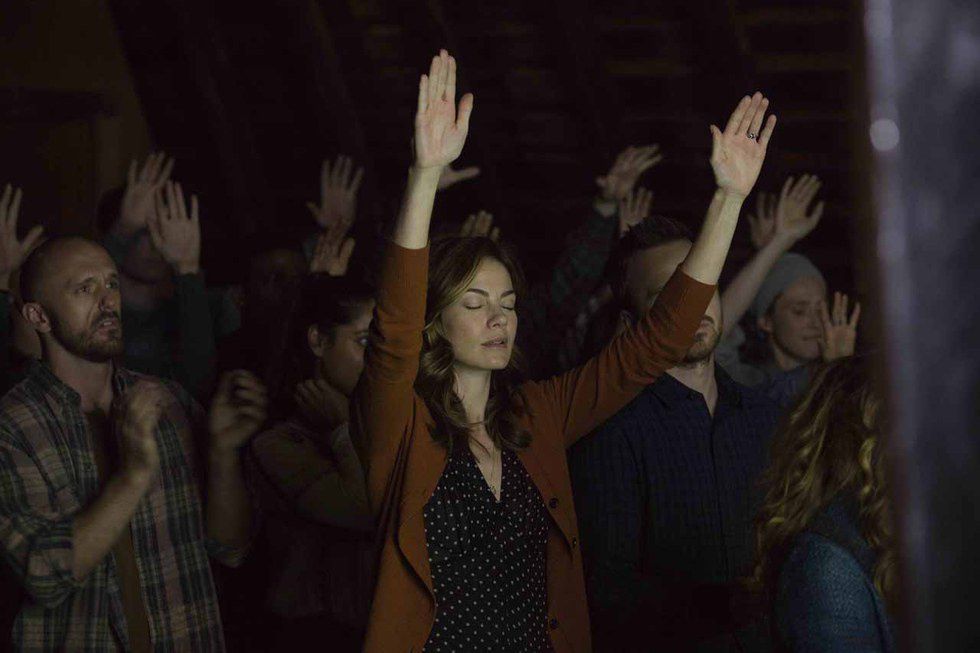
Previously of the recently-ended NBC family drama, "Parenthood," "The Path" demonstrates a bold and dark change in subject matter for show creator Jessica Goldberg and executive producer Jason Katims.
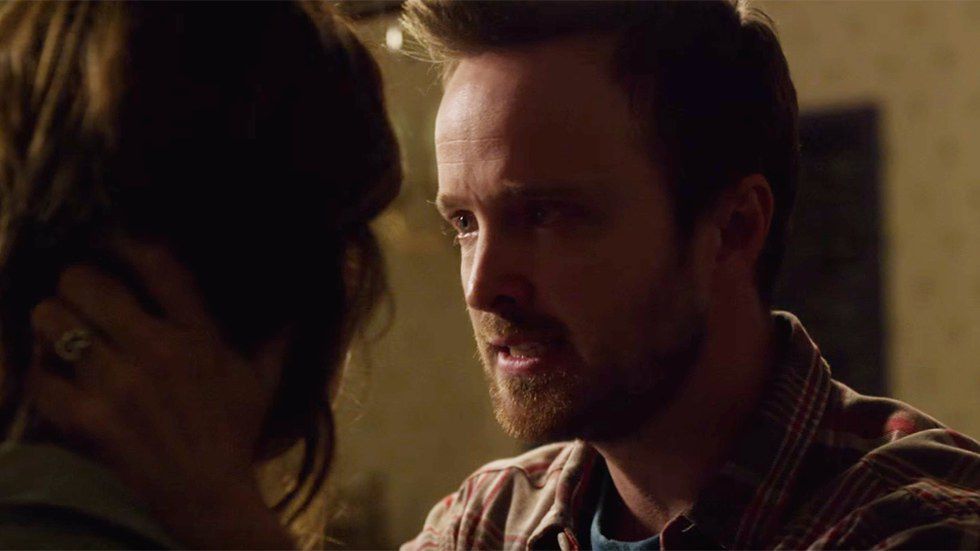
The show centers around Eddie Lane (Paul), a follower of the Meyerist movement who begins to have doubts about the group’s beliefs and motives after he witnesses something that changes his perspective while on a spiritual retreat in Peru meant to strengthen and reaffirm his faith.
Eddie gets involved with ex-believers who seek to expose the Meyerists, and becomes enmeshed in a web of intrigue, as he lies to his suspicious wife Sarah (Monaghan) and says he was unfaithful, so that he may protect his standing in the organization while uncovering its secrets from the inside.
While the typical treatment of cults in television has been negative, "The Path" paints a more nuanced picture of a fictional religious movement. Though serving mainly to doubt the movement, the show explores the entirety of Meyerism, and thus shows how Meyerism has positive effects in individuals’ lives, from providing natural disaster relief to recovery programs for drug addicts.
By engaging the audience with Meyerism’s positive surface image, the show deepens the underlying mystery that surrounds the cult. Still in its early stages, many elements of the story are left unclear, and thus the jury is still out as to whether or not this premise is viable for an entire series.
As mentioned, its strongest element is its acting. In his return to TV after "Breaking Bad," the ever-fantastic Aaron Paul is the perfect lead for the show, brilliantly playing a tortured soul. Paul’s performance captivates the audience and makes the sometimes far-fetched predicament believable.
Another captivating performance is by Hugh Dancy who plays Cal, a member of the Meyerist movement in charge of the East Coast section. Cal has come into greater power while the group’s leader and founder -- or “Guardian of the Light” -- is away supposedly writing and developing more guidance for the followers.
What is incredible about Dancy’s performance is his approach towards this nuanced and complex character. Most notable is Dancy’s ability to transition with ease between Cal’s two states: his good samaritan, charismatic leader front, and the darker, more troubling, violent messianic believer.
Also worthy of consideration is Michelle Monaghan in the role of Sarah Lane. I’m not often a fan of Monaghan, as I often find her generic flatness a liability to her performance, yet in the case of "The Path," playing an ardent unquestioning acolyte, it is an asset.
In examining any show, it is important to note not only what is done well, but also where the show has its problems.
The most stand-out issue with "The Path" is the lack of diversity amongst the cast. All the main characters appear to be white, heterosexual, cisgendered, and able-bodied. So far, there appears to be no representation of people with disabilities, or members of the LGBT community, and the few people of color given screen time are limited to at most a line here or there.
Under-representation of minority groups is a constant issue within television and all forms of media, yet streaming shows are normally better than network and cable shows at combatting this, as seen through Netflix’s "Sense8" and "Orange is the New Black," and thus makes the lack of representation in "The Path" a bit more surprising.
Touching on another previously mentioned issue, the pacing of the show along with some murky storytelling elements calls into question whether or not the premise is clear and strong enough to keep audiences engaged and interested for multiple seasons.
I am interested to see how "The Path" develops as its season progresses, and will be interested to see if it is picked up for a second season. For the show to be as strong as possible, "The Path" will need to explore questions along the lines of “What constitutes belief?” and “What makes one religion appear more valid than another?”
Additionally, if episodes allow the audience to learn more about Meyerism itself, it can help clarify some of the plot confusion, and possibly add sympathy towards Eddie’s plight. "The Path" is definitely off to a strong start, and if the show continues this way, multiple seasons and even Emmys may be in its future.