Despite the only recently surfaced allegations of sexual misconduct among those working at the top of the film industry, apparent examples of gender inequality and stereotypes have been present in the movies themselves since Hollywood came into existence. The earliest films showed nothing but incapable and dependent portrayals of the female characters they included, though they often chose not to include them at all.
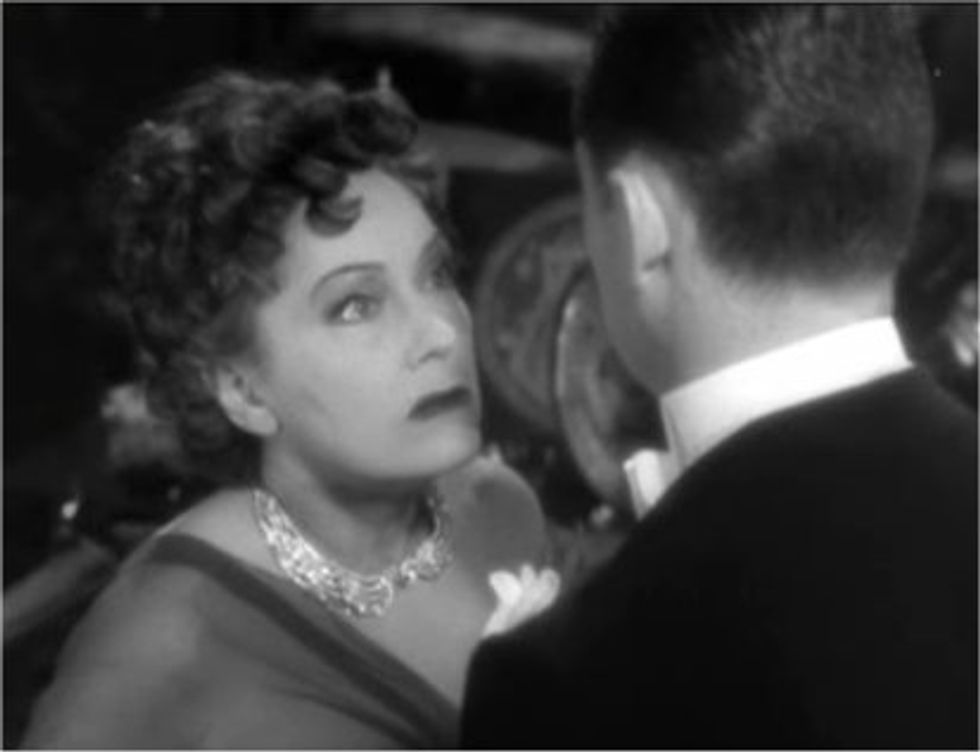
Many classic stories followed the basic framework of what Joseph Campbell called "The Hero's Journey", a pattern of narrative structure in which the main protagonist responds to a call for adventure and surpasses a series of challenges until he eventually reaches his end goal, usually having learned a lesson of some sort. Notice I said "he" — The general structure that films followed in the classic era of cinema almost always required that the central hero be male, likely in an effort to appeal to the majority-male audiences that were considered worthy of telling stories about.
As a result, many of these films only portrayed women as one of two things: trophy wives or damsels in distress. Trophy wives were the female characters whose only importance stemmed from their relationship with the male protagonists, and who were usually portrayed as submissive and almost mindless, a reflection of what some men considered to be ideal traits in their wives.
Damsels in distress, on the other hand, served as objectives for the male characters to strive toward and were written as incapable and vulnerable, becoming rewards once the hero had completed his arc. A well-known instance of this archetype is Princess Leia in the original "Star Wars", though the film eventually subverts the trope by having Leia turn out to be Luke's sister rather than a potential love interest. Doing so has given Leia's character the chance to develop on her own, eventually evolving into one of the most iconic examples of female empowerment to date.

Nowadays, a great deal of the largest film franchises feature women at the forefront, a development that, considering the media-driven age we live in, is long overdue. At the very least, more and more female characters are portrayed as capable and independent, with the success of film franchises like "Pitch Perfect" and "Wonder Woman" showing that audiences are ready to embrace female leads in the blockbusters they pay to see.
Therein, however, lies a problem that plagues the current age of films like no other, the mostly subtle sexualization of female characters. With the recent introduction of more "badass" female representation, many studios have taken the opportunity to exploit this trend by using powerful female characters as sex appeal, hoping both to fly under the radar of social criticism and to capture the attention of male audiences.
One beloved series guilty of this misogynistic tendency is the "James Bond" or "007" film franchise, which frequently features women as mysterious figures of opposition for Bond who also often appear in scandalous clothing. In fact, the film franchise has garnered such a reputation for this type of character that the new term "Bond girls" has even been coined to describe these women.

These reflections of the patriarchy in the films we watch are only mere symptoms of the much larger and complex oppressive system at work behind the screen. As revealed through recently exposed instances of sexual assault, the Hollywood film industry is one that sickeningly relies heavily on the sexual exploitation of aspiring young actors. The action has become so commonplace that the term "casting couch" has been adopted to refer to when a powerful figure in Hollywood, Harvey Weinstein and Kevin Spacey included, demands sexual favors in exchange for a chance to see themselves on the big screen.
The marginalization of female voices in the film industry not only occurs often, but it also tends to seep into the stories we pay to see in the theater. It's no surprise that an industry as corrupt and male-dominated as Hollywood would include gender inequality and sexual exploitation in the films they put out. It should be noted, though, that film producers and executives are clever in that they know most audiences won't mind the tropes or sexualization if the film as a whole provides an enjoyable experience. Even those that don't necessarily appreciate seeing females displayed as "eye candy" often ignore it — what could they do about it, after all?
One thing that we can do as moviegoers is to only pay to see what we support. Film studios, at the end of the day, are corporations, and corporations tend to only value consumer opinion when it's reflected in sales. Therefore, an effective way to stand against gender inequality is to pay to see the movies you see exploiting female voices either onscreen or behind the scenes.

So the next time you go to see a movie in the theater, ask yourself if what you're paying for perpetuates this cycle of oppression, or if it reflects traditional standards of gender inequality. If so, consider that you just might be part of the problem.