Mold is unattractive and may even cause health issues for people with mold allergies. It is important to avoid the formation of mold in the house to maintain a clean and healthy environment. Basements are particularly vulnerable to the formation of mold because of the poor ventilation and high moisture content. Molds love basements because it is dark, temperate and have little air flow. Even when you keep basements clean, the mold is still likely to grow. If you see suspicious black spots growing in your walls, floor or ceiling in your basement, that is most like mold spreading. Keep your basement mold-free by following some tips to eradicate this menace once and for all
Causes of mold

The main culprit in the formation of mold is water. Areas with high moisture content are susceptible to mold. If there is continuous rainfall in your area and if you have leaky roofs there will likely be mold formation in your home. Basements are natural grounds for mold formation because of the moisture content due to condensation and foundations that are leaky. Mold can also happen if there are leaks in basement piping which can cause water infiltration through your walls. Flash floods are another cause of mold because it raises the moisture content in your area and in the soil, the first to be affected will be your basement. Water damage caused by pump failure is another cause of molds and if water damage is not solved properly it will lead to mold and mildew.
How to test mold
Mold is detrimental to health and mold testing should be done immediately. Initially, you will notice the presence of mold by a curious moldy smell or tell-tale signs on your home's interiors. You may also be already suffering from allergic reactions to mold such as coughing or sneezing. It is good to get professional mold testers so they can tell you exactly what species of mold is in your house. Air testing for molds takes samples from the air and are observed under a microscope. Air tests can tell if you have a mold problem. Surface testing for mold takes samples from surfaces to test the number of spores and molds distribution around the house. Bulk testing takes materials from your home to be examined directly in a laboratory to tell the amount of concentration of mold spores in your home. Culture tests for mold are primarily concerned with identifying the species of mold in your house.
Use of dehumidifiers to fight mold

Dehumidifiers can remove the excess moisture in your home protecting your home from damage. People withstand will find dehumidifiers helpful because it cleans the air of mold. Asthmatics will find they can breathe easier in a home equipped with a dehumidifier.
Dehumidifiers work by fighting condensation and moisture in the air. They suck out the hot air in a room and pass it through a fan inside the machine. The dry air is then released and recycled back in the room. Once a dehumidifier does its job there is much less chance for condensation settling in the air and on your possessions. As a result, mold will not form and your items will be free from moisture damage. The air blower you should buy depends on the area it is going to serve. Larger areas need dehumidifiers with more capacity. The smallest amount a dehumidifier can remove is 30 points per day and the largest dehumidifier can remove 90 pints per day.
Recommended chemicals
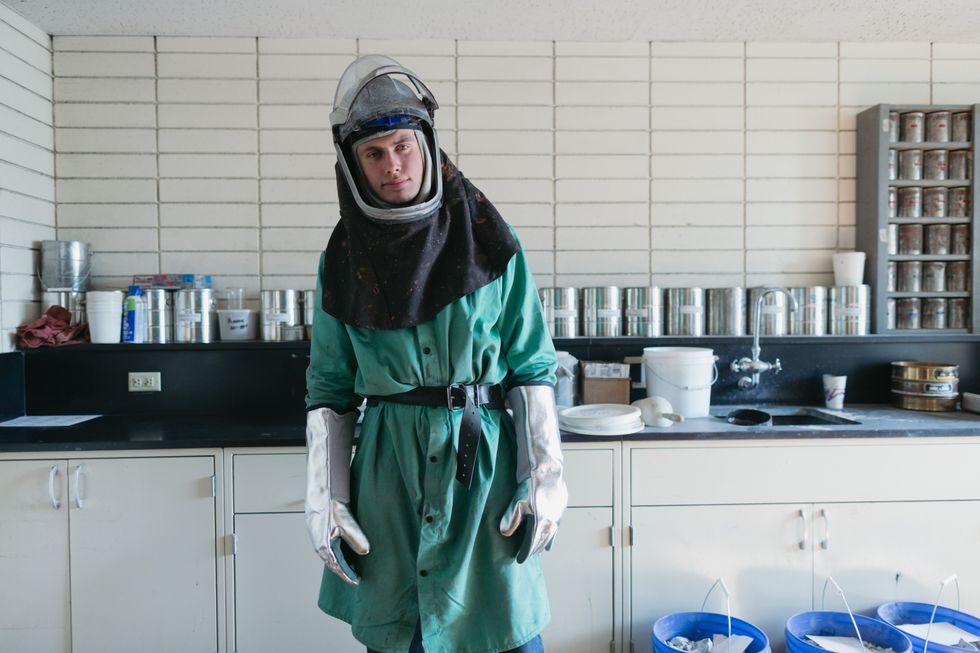
Mold removing chemicals are obtainable and easy to use and may already be found in your home. Bleach is a good mold killer and can eradicate all species of mold. Bleach can kill mold and spores upon contact and keep the area from future mold growth. Unfortunately, bleach only works in non-porous materials such as tiles, glass, and countertops. Bleach is hardly effective on porous materials such as wood and drywall where the roots of the mold are hidden inside. Baking soda is another item that can be used to kill mold. It is safe and non-toxic and also deodorizes so it can get rid of that moldy smell. Tea tree oil is antifungal and is the most effective chemical in the fighting mold. It can be expensive but a little of it goes a long way. Tea tree oil is also non-toxic and safe to use. Simply add tea tree oil to water in a spray bottle and apply on affected area.
Basement wall sealers to inhibit mold
Basement waterproofing can offer protection to areas in your home with high humidity or moisture content. Deep seal your concrete against moisture by sealing the basement slab against water vapor and possible water seepage. However, no matter how well you seal your basement, mold can still grow in other areas of your home. It is important to know why and how mold grows and to apply that knowledge in regular inspections of your home to keep it clean and sanitized