A few days ago, The Guardian’s Marlon James put out a video titled “Are you racist? 'No' isn't a good enough answer.” He explains that it is not enough to be a “non-racist.” To really combat racism in our society, we must be “anti-racists” - we must actively fight to destroy this oppressive system, not just say that we oppose it and expect change.
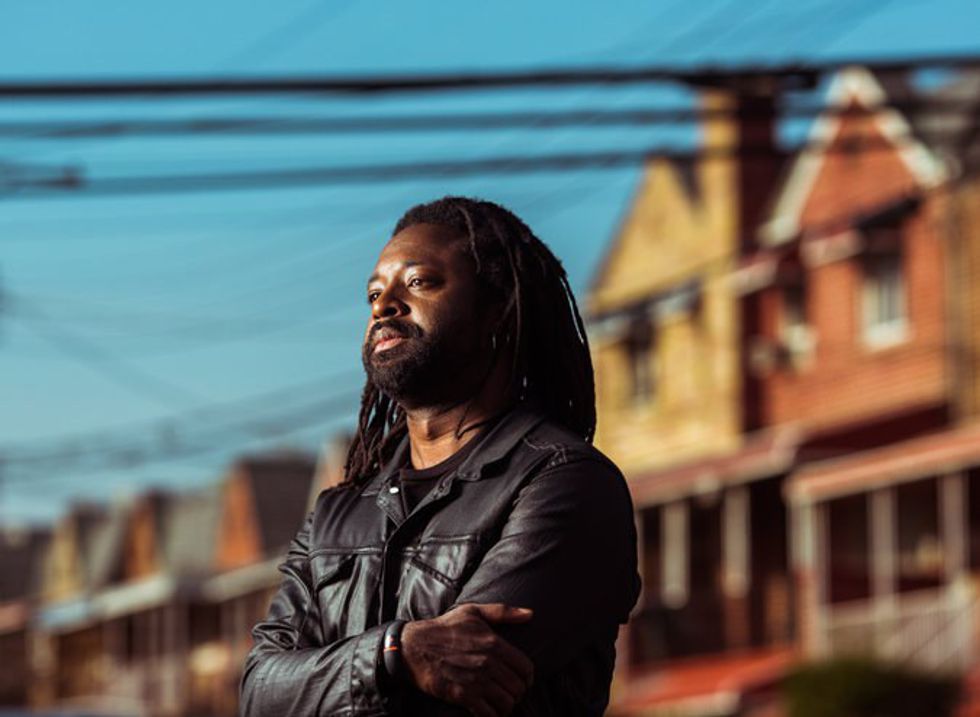
Marlon James, photo by Bryan Derballa for the New York Times.
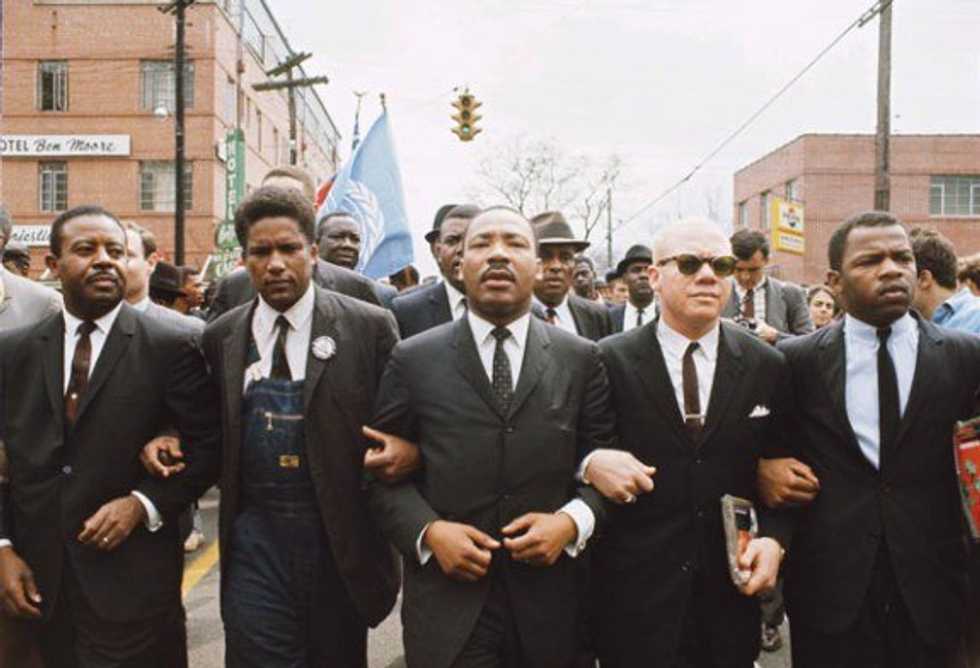
In 1963, Dr. Martin Luther King Jr. expressed similar sentiments in his Letter from Birmingham Jail. Frustrated with well-meaning people who did nothing to actually fight racial injustice in America, Dr. King wrote,
“I have almost reached the regrettable conclusion that the Negro's great stumbling block in the stride toward freedom is not the White Citizen's Council-er or the Ku Klux Klanner, but the white moderate who is more devoted to "order" than to justice; who prefers a negative peace which is the absence of tension to a positive peace which is the presence of justice… Shallow understanding from people of goodwill is more frustrating than absolute misunderstanding from people of ill will. Lukewarm acceptance is much more bewildering than outright rejection."
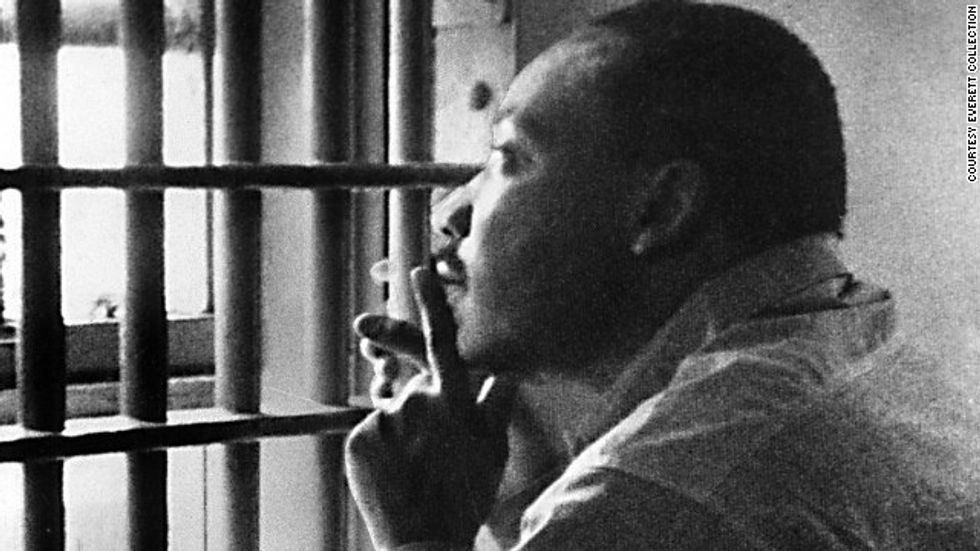
Martin Luther King Jr. in his cell in the Birmingham Jail, photo courtesy of the Everett Collection.
So this Martin Luther King day, let's strive to be more “anti” and less “non.” Think about ways that you can take your activism to the next level, whether you are fighting for the rights of people of color, indigenous peoples, women, trans people, queer people, or all or none of the above. No matter your cause(s) of choice, here are some ideas:
- Attend a physical event. Activism on the internet, although important, is relatively easy. It can be difficult to find a rally or protest in your area, and then there are the issues of finding transportation and ensuring your safety at the event. But the impact of real-life, physical demonstrations is invaluable. They get local (and sometimes national) press coverage, and they can be real catalysts for change. If you have never attended such an event, here are some tips:
- Go with a friend, or several. Going in a group can feel both physically and emotionally safer, and the more people show up, the more successful the demonstration.
- If you are an ally to the group in question, for which the event is being held, watch yourself. Listen hard. Make sure you are not speaking over (literally or metaphorically) the people who are fighting for their own freedom. When in doubt, follow their lead.
- Get involved in your community. It’s easy to look at issues in other cities, states, or countries, big news stories that make you feel outraged at all the injustice in the world. But grassroots activism is just as important as fighting the big fight. Chances are, there are organizations on your campus, or better yet, in the surrounding community, that focus on the issues you feel passionate about. Here are some ways to find them:
- Clubs and other school organizations often table at big events or in public spaces. If you have the chance, walk up to the people sitting at the table. They are great people to talk to, not only about their own club’s activities but also other groups they might work with to further their cause. This is a great entry point! These people tabling are there specifically to help you become more informed and more active- take advantage of it.
- Chances are, your school has an online database of clubs with a category for social justice -- or activism-focused clubs. If you find one that seems to be a good fit, don’t be afraid to email or message the club’s leaders, whose information is usually provided. It may seem intimidating, but having some contact with them first can make attending your first meeting or event much easier.
- If you don’t see it, build it. Especially for smaller schools in more rural areas, there might not be a local organization dedicated to making the kind of change you want to see. So make like Gandhi and be that change! Get some people together, even if it is just a few friends, and start organizing. Contact a bigger network to see how to start a local chapter, or start from scratch. Some ways to get started:
- Raise awareness on campus. Table in public, hold a demonstration, put up some fliers or posters. Make sure you stay on the right side of the school administration (and the law!), but within those limits, you can do as much or as little as you choose. Use social media, create a hashtag, make a page for your group that’s easy to access and navigate. The internet is your oyster.
- Host your first event. Make it as silly or serious as you please, from a fundraiser to an open mic night to a picnic. You’ll be surprised how much you can get done on a broke college kid’s budget, with just a few friends, some dedication, and free printing.
- Don’t give up- maybe no one shows at your event, besides the three friends that you guilted into coming. Maybe you only raised a few bucks for a local organization. Maybe your Facebook page has 23 likes. But every bit of change counts, and starting small is no reason to stop. Keep making whatever kind of difference you can.
Happy Dr. Martin Luther King Jr. Day, everyone. Now get out there and make him proud.