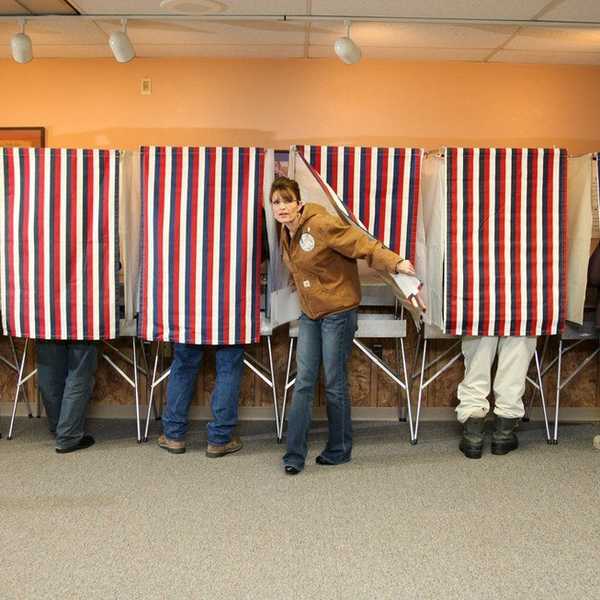
I remember the 2008 election very vividly. Granted, I didn’t seem to care about politics at the time, but it was the first election that I was consciously aware of. Sure, there had been the 2004 one, but I had been seven. To be honest, I don’t think that counts. This time, though, I was eleven and I began to have an opinion. As I watched the campaign ads, I watched as my parents commented on them. Some of the comments were salty while others were a bit better. They overwhelmingly seemed to support the Republican candidate, John McCain.
Me, being the immature and uninformed child that I was, blindly went along with that. My most distinct memory was sitting upstairs, watching the electoral college map. The best coverage was always on CNN—I remember my government teacher always saying that they had some new fangled gadget for every election. Unfortunately, though, my father only watched Fox News, and for him, the election was looking grim. Out of nowhere, candidate and then-senator Barack Obama had taken the victory and it was as if a slow depression had fallen over the room.
Fast forward to January 2009. It was snowing in North Carolina that day and I had just gotten inside. I was sitting at my mother’s seat in the kitchen, sipping on hot chocolate. Not much was going on until someone flipped on the television, and on it was the face of a new president being inaugurated. I remember watching Obama take the oath of office the first and second time, and now that the second election is long over, I have a very different opinion now.
Political socialization is defined as study of the developmental processes by which people of all ages and adolescents acquire political cognition, attitudes, and behaviors. Some methods of which people become politically socialized include the media, schools, religion and friends. However, family has been cited as the number one political influence, which is understandable. There is a bit of a problem with this, though. I believe in having an informed population. I believe in voting for the candidate who will protect my rights, not for the one with the most interesting campaign ad. I cannot begin to explain how many times I’ve heard people talk about politics and mention that they’re aligned with a specific party only because their parents or friends are. I believe in research and combing through every news source—yes, that even includes the dreaded Fox News. I believe in respecting other people’s informed opinions even if they’re against your own. But most of all, I believe in educating the public so everyone can take advantage of their constitutional rights. Because, sadly enough, there are people in this world who lack such freedoms and it’s a shame when people take their rights for granted.
Despite the fact that no election has occurred since my eighteenth birthday, I still try to stay politically active no matter what. Politics have quite literally changed my life. Until I began to explore the depths of government, I felt as if a whole different side of our country was in the dark. There was so much I didn't know about; deficit, taxation, and social issues were among some of those subjects. Once I began to learn, it was almost as if it was a transition from childhood to adulthood. I could have a valid, informed, opinion and my elders would hear me out. It also inspired me to have a passion for debate, which has helped me select my pre-law minor in college. Instead of being the quiet girl that I was when I was a child, I am now known as the one who will talk politics with almost anyone that will listen. Among my favorites are my dad's friends; they tend to have completely different opinions compared to me, which makes it much more interesting. In addition, I also took an AP Government class during my senior year of high school. This opened me up to politics even more, and each week, my peers and I would present and argue a relevant public policy issue. Seeing young people getting so involved made me and my teacher absolutely elated. Speaking of my teacher, I have to give her a shout out--without her, I wouldn't know as much as I do about the political process. She also helped me in the middle of my political journey and showed that history teachers are a wealth of knowledge for those of you wanting to learn more about politics.
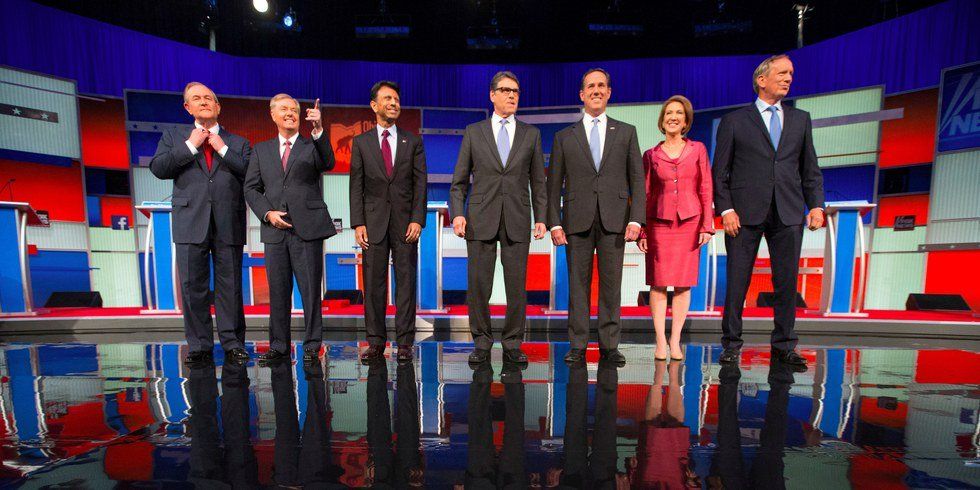
While I don't expect others to be like me, I try to encourage people to be informed no matter what their age is. By doing something as simple as asking questions or watching the news, anyone can be knowledgeable and have a voice of their own. For those who are bolder, finding a cause and contacting a local representative can be another option. I personally enjoy making politics seem fun. During the 2016 debates, I invite friends into my dorm, pop some popcorn and watch every remark the candidates make. When my friends come to me and ask about what's going on, I try my best to explain the issues and arguments in the most objective way that they can so they can form opinions on their own. I might not like certain candidates, but if I want to help inform others, removing my personal bias is the most important thing that I can do for them. In the future, I also hope to run voter registration drives at my university and assist people regardless of political affiliation. Finally, I love to ask people questions. Learning how, why and when things happen can make everyone a more informed voter. Anyone can get involved with just a bit of effort, and when everyone gets involved, the government can be a true representation of the people. This is why my passion for politics is so strong. It makes me feel like I can make a difference, which is something that empowers me more than anything else ever will.