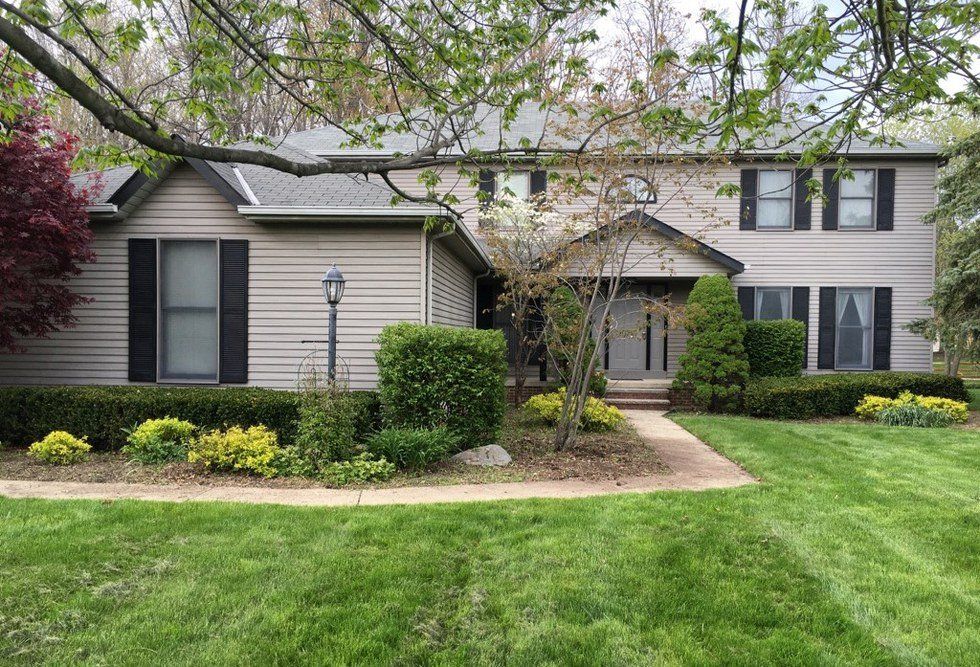
Two words: childhood home. What comes to your mind?
Well, I've had four.
If someone asked me 10 years ago what "home" meant to me, I would have said my house. I would've described my under-the-sea-themed bedroom and all of its contents in great detail. I'd have said that "home" is the phone number to call if I got lost, because it's where I lived. I'd have mentioned the three places that I'd lived before, comparing the different rooms, basements, and yards in which I had played. I was a creative child, so I imagine I wouldn't have had trouble painting a perfect mental picture of my home for whoever asked.
Childhoods are filled with colorful adventures and imagination, but the values are mostly black and white. As a kid, the life lessons I was taught were viewed no differently than a lesson I learned in grade school. I said and did things because I was told they were important and didn't think twice about it. Personally, I didn't learn the actual value of said "things" until much later in life -- usually at a time I least expected. I grew up recognizing nothing but change, talking and writing about it every chance I got. It's how I made conversation and impressed other kids at my new schools because they thought it was cool, and it was all I knew. Little did I know that 10 years later, it would terrify me. I used to think it was strange how I remember so much from each of my old homes, yet I don't remember leaving. Now I know that it's because leaving isn't a part of a "home."
I've been so afraid of losing what's familiar to me that I haven't stopped long enough to realize that I can't. Physically, sure, but spiritually, only if I allow it. If I had the chance to hear stories from families who bought my old houses, I'm certain they'd be similar to my own in that they weren't created alone, and if I had the chance to talk to the family that's moving in this week, I'd remind them of that. I hope the parents don't hesitate to meet their neighbors and that their kids play hide-and-seek in between boxes as they get settled. I hope they have an easier time making friends than I did and that they spend more time at the creek in the park than on the computer. I hope they have cookouts and drink their coffee on the back porch when the weather is nice. I hope that they make old-fashioned popcorn and watch movies and play video games in every room with a TV together. I hope they take lots of pictures and tell each other everything. I hope that they blast music and try new recipes and throw little parties "just because." But most of all, I hope that when it comes time for them to move out, they can't leave without shedding a tear; because that means it became a home.
If someone asked me today what "home" meant to me, I wouldn't have even mentioned a house. It's not where you live. It's what sticks with you no matter where you go or what happens to you. It's the silly memories of spying on your sister when she had friends over or chasing your dog through the yard when he pulled steak bones out of the trash. It's the fun memories of dancing with your mom to her favorite overplayed CDs while you helped her cook dinner and laughing with your friends over junk food, board games and dumb movies. It's the painful memories of sobbing into your father's shoulder when you found out he had cancer and snuggling your old rescue dog for the last time on the living room floor all night before you had to put him to sleep the next morning. It's the tears you fight back when you think, talk, or write about it because it's in the past and you're not ready to give it up, but in the wise lyrics of Miranda Lambert, "you leave home, you move on, and you do the best you can." Yeah, it's emotional -- no one said it would be easy, but life's going to happen one way or another. I'm moving on to make new memories that I'll talk about for years to come. I might "get lost in this whole world and forget who I am," but as for a home, I "won't take nothing but a memory from the house that built me."