Hip-hop is more than an American subculture to me. I’m sure I don’t just speak for myself when I say that I pull truths out of hip-hop artists like priests pull truth out of scripture. I think critically about what rappers say about the world at large, evaluating their art in the same way English professors assess the work of historically prolific authors and poets. I hold rappers to the same standards as I hold preachers – as people who have a responsibility to remind people that the reality we live in now is not the reality we have to live in forever. Below are four up-and-coming artists who offer something rich to the community of hip hop, who (though oftentimes indirectly and dysfunctionally) call us to bring about change in our world for the sake of ourselves and the people we represent.
1. Da$H
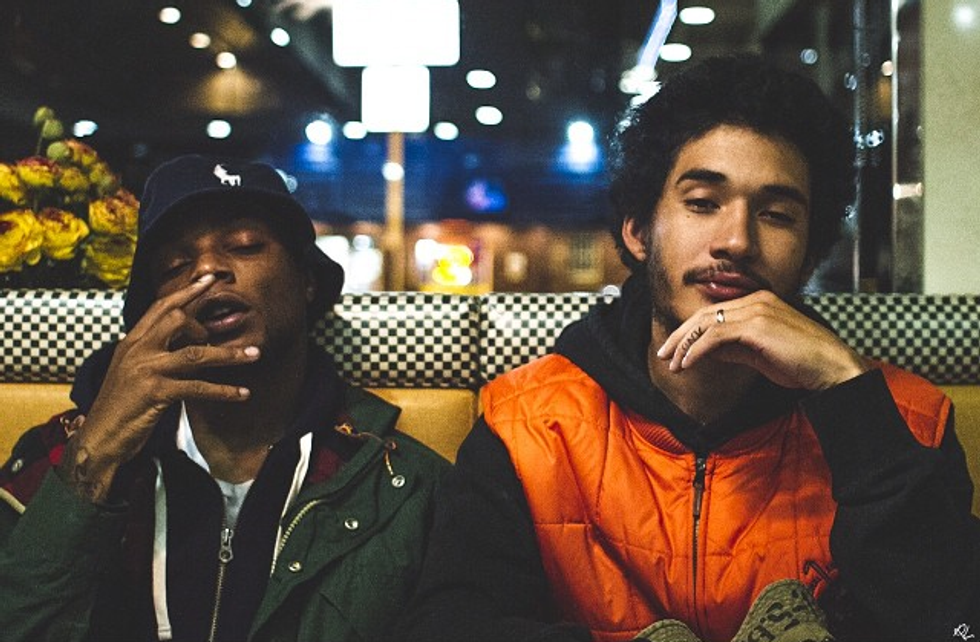
The H’z Global, New Jersey based rapper can be properly characterized as a renegade. His latest mixtape, “17 More Minutes” wrestles with a number of issues – namely his disillusionment with the world at large, his rebellious refusal to fall victim to the forces of institutional racism and poverty, and the paradoxical success of his self-destructive lifestyle
2. RetcH
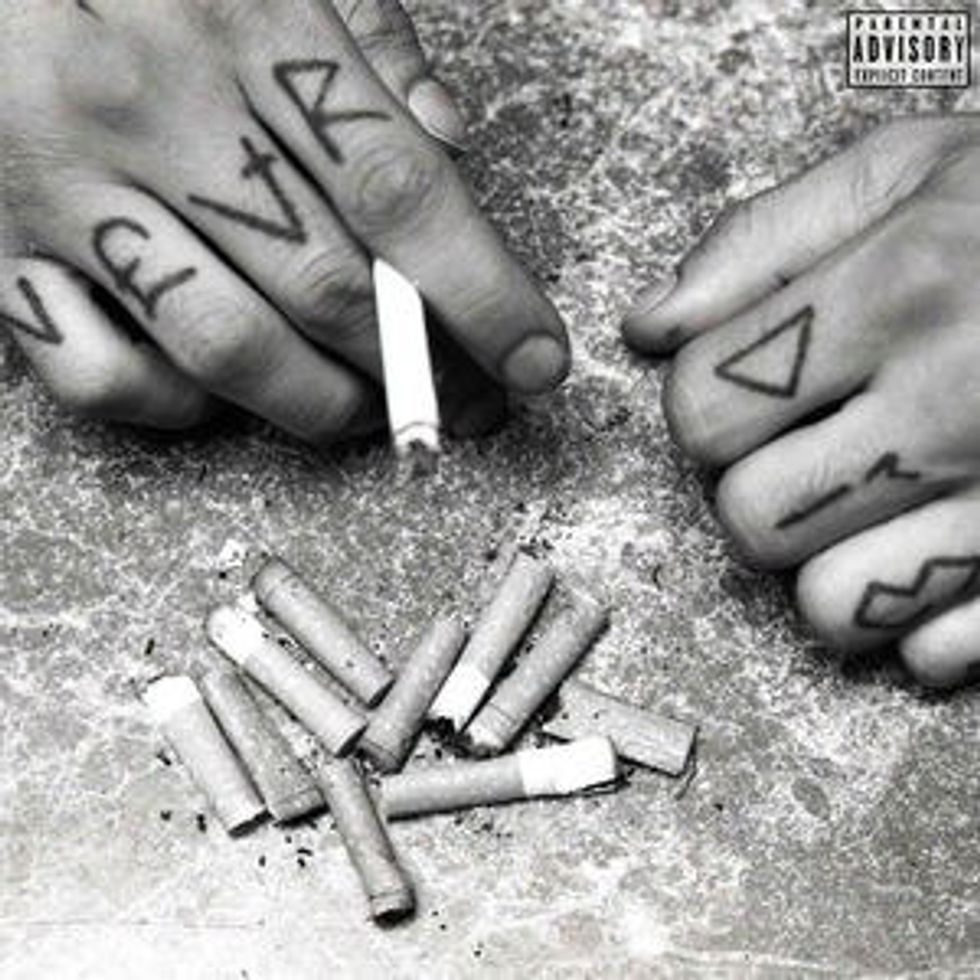
A long-time friend of Da$H, Jersey native RetcHy P is one of the newer generation’s most appealing, yet gimmick-free personalities. As a member of H’z Global and the champion behind the Finesse the World Gang, RetcH embodies the “Get Rich or Die Trying” mentality, coming out from under the boot of poverty and oppression. His primary mode of upward economic mobility elucidates something profound about the ways our society conditions us to think about success and security – how we’re forced to associate the two terms with materialistic wealth and the constant pursuit thereof. Cynically accepting the conditions of a capital-obsessed society, RetcH explores the ways by which external influences have virtually forced him into the life he lives in his latest mixtape, “Finesse the World.”
3. Isaiah Rashad
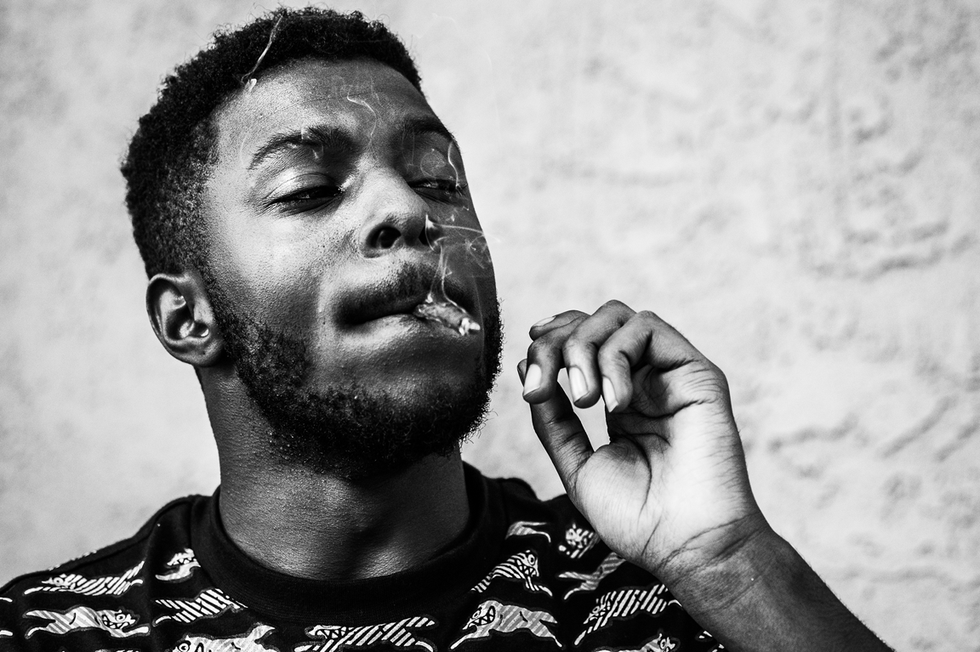
The most recent signee to Top Dawg Ent., the Chattanooga, Tennessee native Isaiah Rashad has the same poetic merit as the prophets in the Old Testament. Rashad’s music heavily conveys a rich awareness of the music industry politics, a righteous indignation toward the powers-that-be and institutional pressures that perpetually oppress people of color, and a personal desire for continual mental, emotional, and spiritual renewal in a world that attempts to pull him apart in several different directions. His last album “Cilvia Demo” suggests that he is due to drop a classic soon in his career; his latest single, “Nelly,” reaffirms this notion.
4. TUT
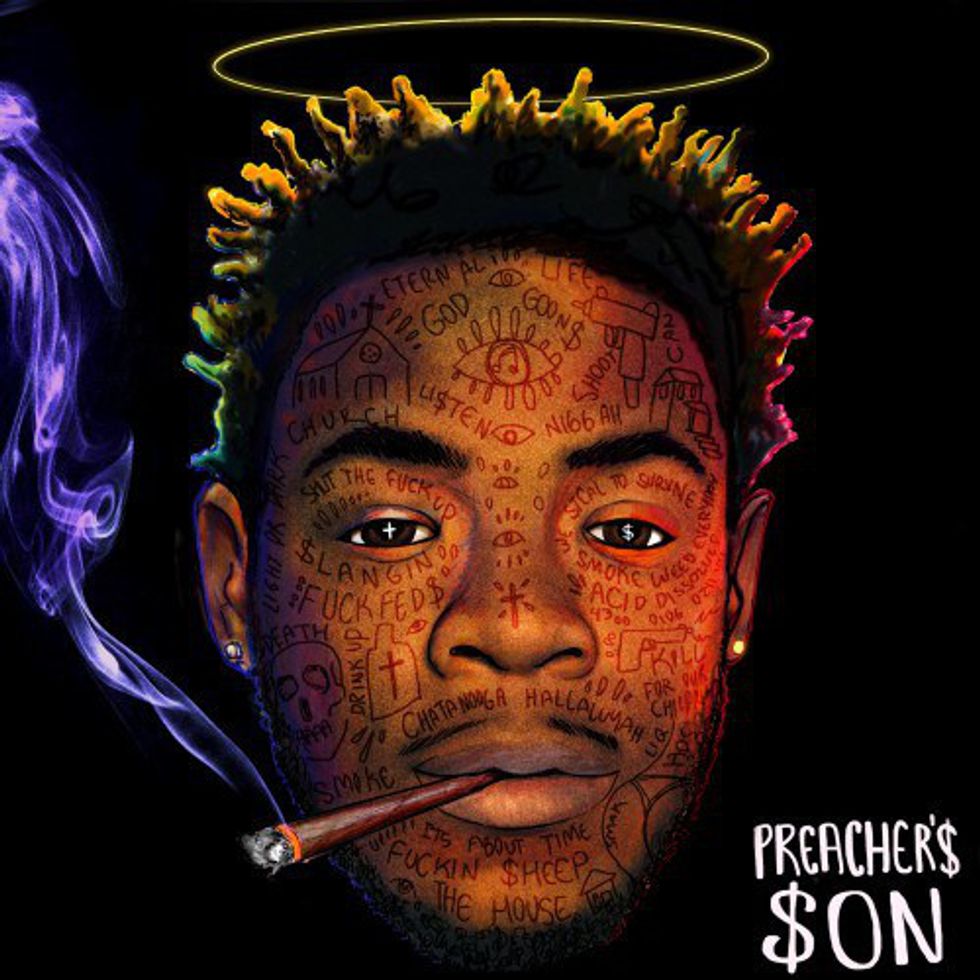
In his most recent mixtape, “Preacher’s Son,” Chattanooga’s very own Tut explores the concept of identity and the fashioning thereof. Conflicted between being a man of the church or a man of the streets, Tut profoundly wrestles with theological issues like individual and collective redemption, gender equality, and the ironic ineffectiveness of the the church at large to help solve issues like poverty and institutional oppression. His song “Sheba,” featuring Angel Mae, makes him one of hip-hop’s rare feminists, a man calling for the redefinition of manhood, specifically within male-to-female relationships.