
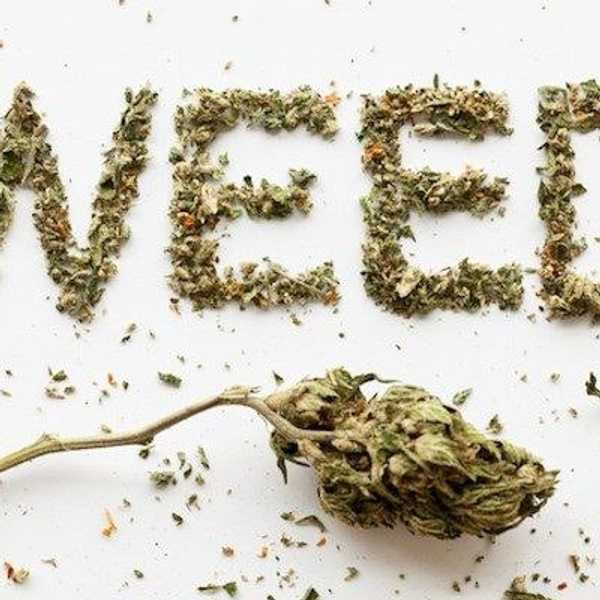

This past week marked a holiday with much controversy. If you’re on a college campus, I’m almost positive you know what I’m talking about. April 20 is known internationally as a day devoted to marijuana, cannabis, weed, Mary Jane, kush.. you get the point. The name supposedly started at a university in California (shocking) where a bunch of students would meet at 4:20 to smoke together. The term 420 can refer to a number of different things including marijuana itself, the interest of purchasing marijuana, and a holiday where marijuana is generally smoked/consumed/ingested/etc.
For one of my classes, I have decided to write about the legalization of marijuana in the United States from an economic perspective. Prohibition is a time period that has always fascinated me in American history, and some believe that the inevitable legalization of cannabis will be similar. Purely looking at the financials, it seems like a great idea. Hundreds of millions of dollars would be saved in enforcement costs, and tax revenue from sales would benefit the government.
The reason marijuana was legalized initially was in the early 20th century in the United States as a way to keep people from acting immorally or crazy. Nixon’s war on drugs in the 70s just reinforced what was already law. Contrary to Nixon’s intention, however, marijuana use has only been growing and doesn’t really seem to have the potential to completely be eliminated. Use is so prevalent in this country now that it seems essentially impossible to put an end to it all together. The fact that weed is already legal in two states and decriminalized in many others should prove to the government that stopping its growth and distribution is futile.
The harmful effects of marijuana are far milder than those of tobacco and alcohol. Alcohol causes many more car accidents than marijuana. In fact, some studies show that weed increases alertness and enables better reactions on the road. Tobacco is extremely harmful for lungs and is proven to be a leading cause of lung cancer. Marijuana, however, can be ingested without smoking, avoiding the poisonous effects on the lungs. Cannabis also has a calming effect on some people, eliminating the violence that sometimes accompanies people after they consume alcohol.
Netflix has a documentary called “High Profits” which details the growing business in Colorado following marijuana’s legalization in the state. There are a number of great resources online and in bookstores as well which shed a more in depth and intellectually stimulating information about the cannabis industry. I think that as time goes on, it will be very interesting to follow economic trends as more and more states begin to legalize marijuana.