

What's the power that a playwright possesses? Some might say that it's to tell the stories that matter, which serve as a mirror to society and its troubles. Others might say that the power stems from an innate desire to shed light on the human condition. Well, to me, playwrights who do this and still explore uncharted territory in the realm of literary expression go do down as the most memorable and even the most powerful.
Plays that contain unconventional story lines are good, but those that have absurdity thrown into the mix really stand out. Those plays that keep you guessing, that leave you with your mouth agape are just so unique. Here are some plays where both actors and readers alike will have to hold their breath after every page turn.
"What's going on," you might ask. Well, even the playwright might not have the exact answer.
5. "The Long Christmas Dinner" by Thornton Wilder
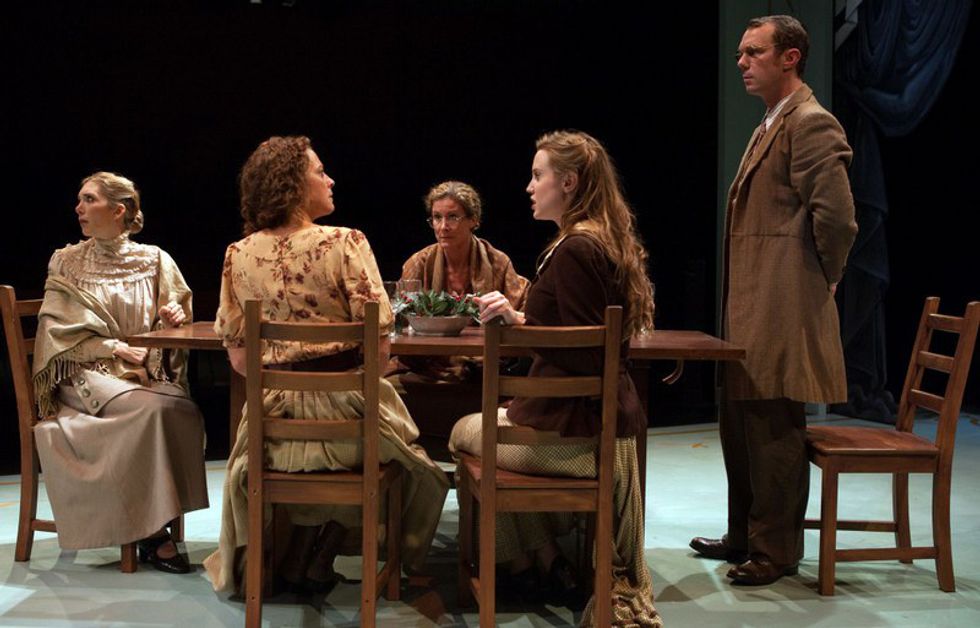
Wilder did not quite kickstart the theater of the absurd, but several of the novel elements of this one-act play would go on to influence some of the movement’s most significant staples. The setting is a Christmas Dinner that takes place over 90 years, its characters erratically changing clothing to catch up with time. And eventually, when death occurs, they will exit stage right through a portal. Wilder crafts a play where time becomes so volatile that its characters, as well as the actors portraying them, will have trouble keeping up.
4. "Ping-Pong" by Arthur Adamov
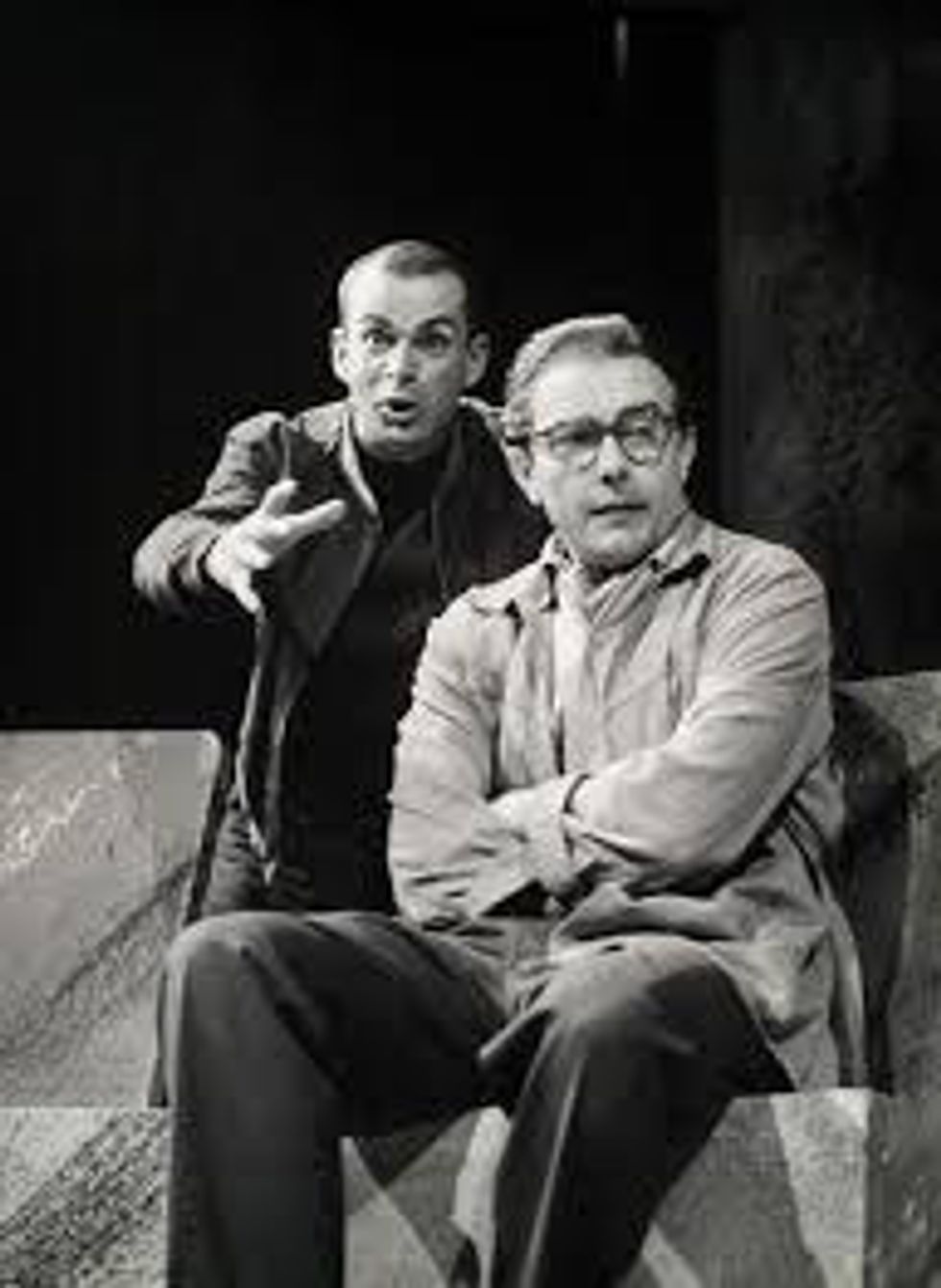
The Theater of the Absurd often portrays its characters in closed environments that they cannot escape. "Ping-Pong" pits two characters within a pinball machine with a mind of its own, and it literally takes over their lives. Not only is their conversation limited to talking about the machine, but the very content of their love and despair cannot transcend it either.
3. "Cruma" by Manuel de Pedrolo
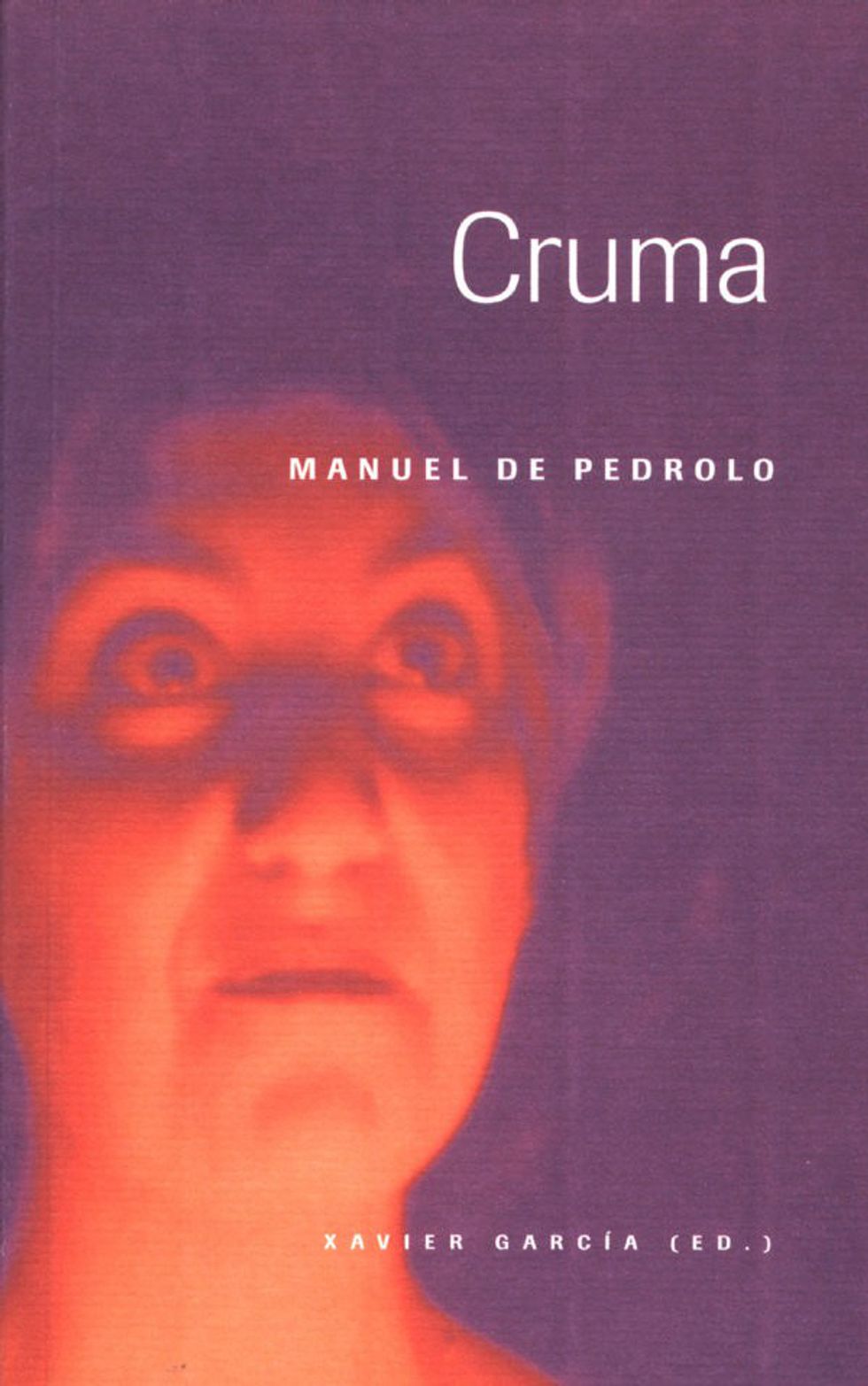
You have probably not heard of Pedrolo because he is a distinctly Catalonian writer, but that doesn’t demerit his biting satire, imaginative symbolism and social commentary. Set in a mysterious apartment, two men go to measure a room with numberless rulers, meet ghostly apparitions, and ponder upon the nature of the outside world. The play demands answers to a troubling question: Can we maintain our authentic selves without isolation, or must we give in to deception for the sake of social interaction?
2. "Who's Afraid of Virginia Woolf" by Edward Albee
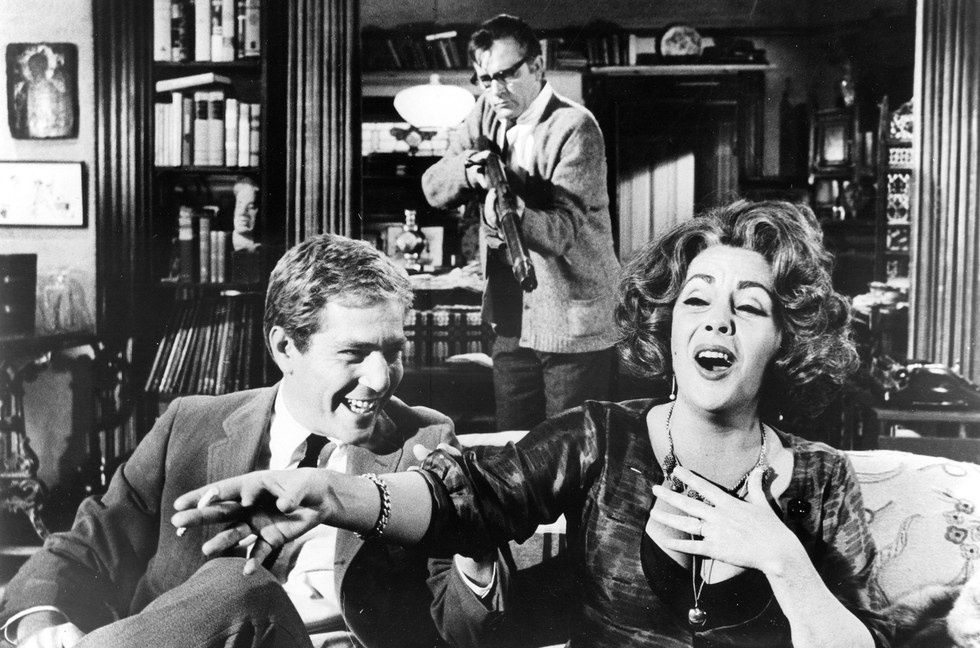
Albee’s uniquely American take on the absurd is not quite as mind-bending or irrational as some of the other selections on this list, but it uses the dialogic techniques of the absurd to capture a professor’s troubled relationship with his wife. Set during a late night in a small college town, George and Martha host a younger couple, causing the clash of generations, as well as the revelation of secrets too painful to hide.
1. "Waiting For Godot" by Samuel Beckett
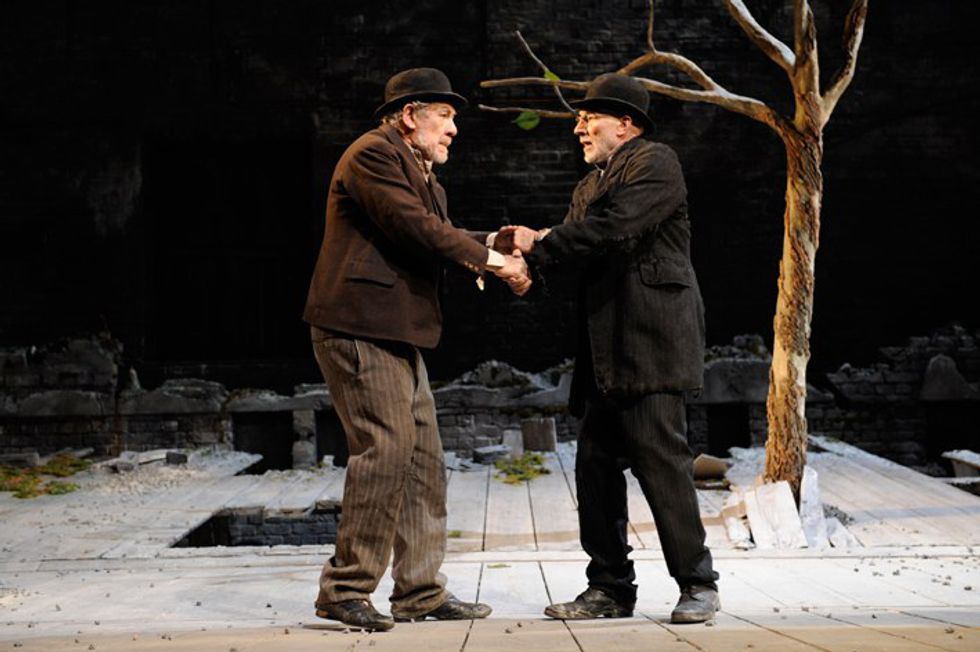
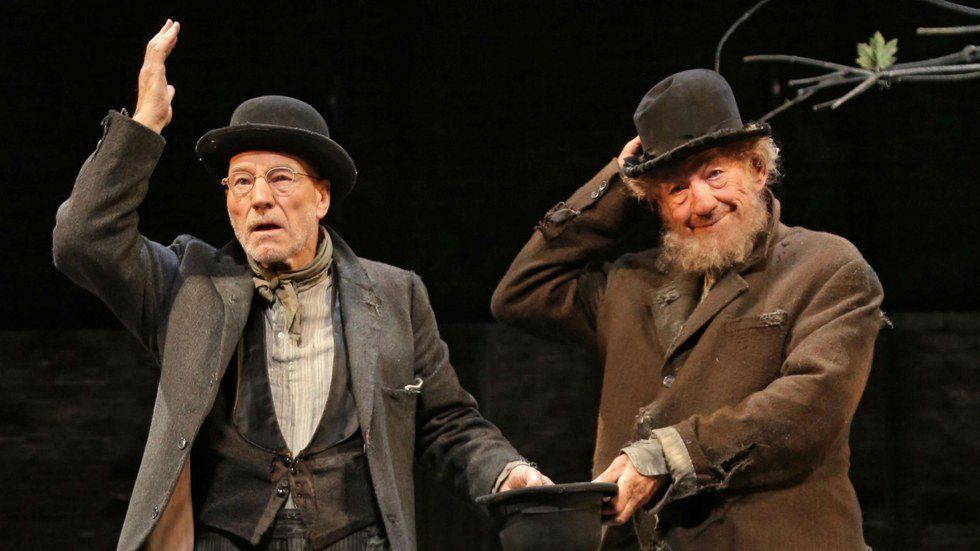
Samuel Beckett is without a doubt the father of the absurd. Not only did his prolific career as a playwright and novelist cement his reputation as the most prominent voice of the genre, but he also helped popularize the movement’s crafty vision. "Waiting For Godot" centers around two tramps, Vladimir and Estragon, as they wait for a mysterious figure name Godot (pronounced God-oh) and pass the time by desperately breaking the silence with shrewd, quick-witted dialogue.