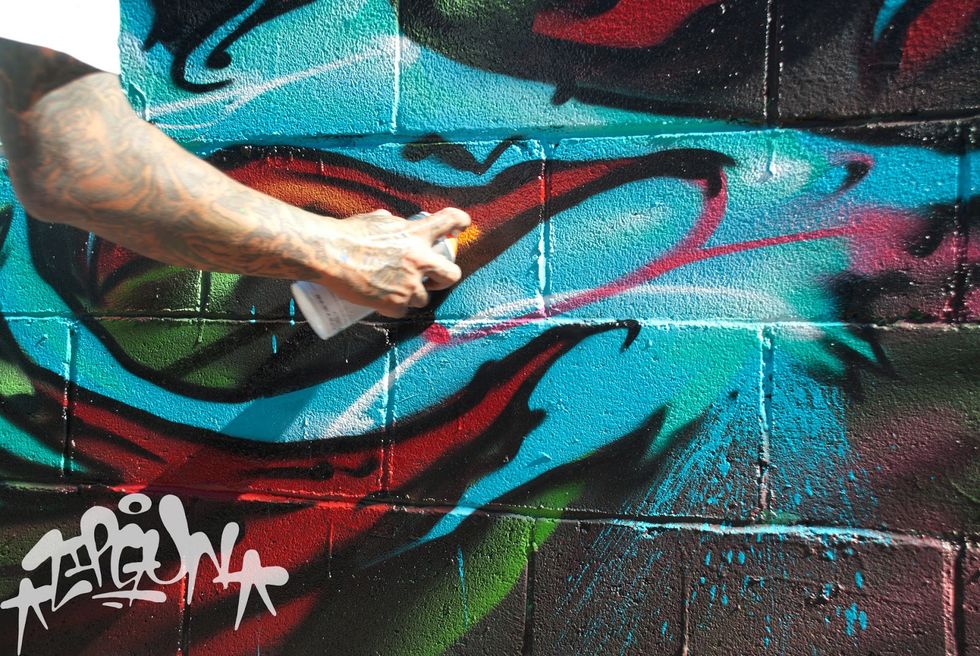
We can’t escape the impact of graffiti. Little spurts of colored paint here and there on the concrete wall next to the bus stop, a bubble-lettered name hidden inside the underbelly of a bridge, a compression of syllables taking up space on the brick of an alleyway. It’s intriguing, an enigma of sorts. It’s something we, as outsiders, cannot immediately decode and understand. And in this splatter of pigment or mess of signatures, we feel uncomfortable, overrun with a feeling we haven’t really addressed or acknowledged.
Graffiti, to some, is nothing more than obscenity. Even mentioning the word brings about the image of a deviant young adult laden with a can of spray paint--a tool which, when used, undoubtedly provokes the fall of moral society.
But I think that’s a bit dramatic, don’t you?
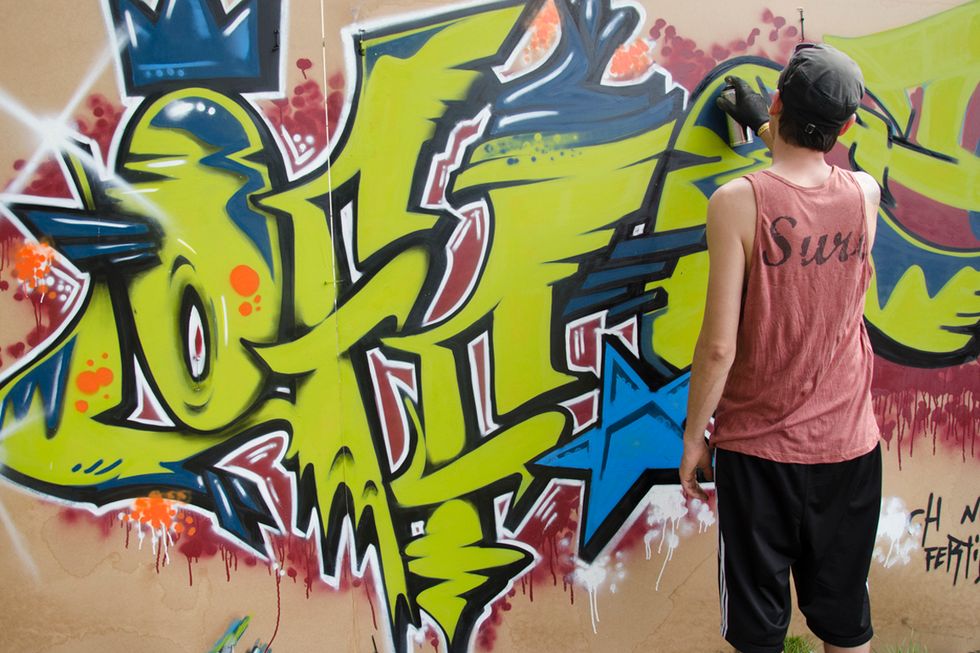 One of the reasons graffiti makes us so uncomfortable is its ability to catch us off-guard. It appears where we least expect it and, oftentimes, canvases areas we see every day. Graffiti distorts this preconceived idea of the “public space." In marking or “tagging” community environments with a name or a symbol, the artist defies what we have pre-defined as permissible or acceptable. Rejecting these standards of conduct and public image speaks out against normative and restrictive institutional values in our society. Emily Colucci explains how in marking a public spot, the artist makes a statement for themselves. Inscribing their tag on public concrete, plaster or brick demonstrates that their voice and their presence cannot be ignored or invalidated and that they will remain vocal and disobedient to a system that does not value them or their interests.
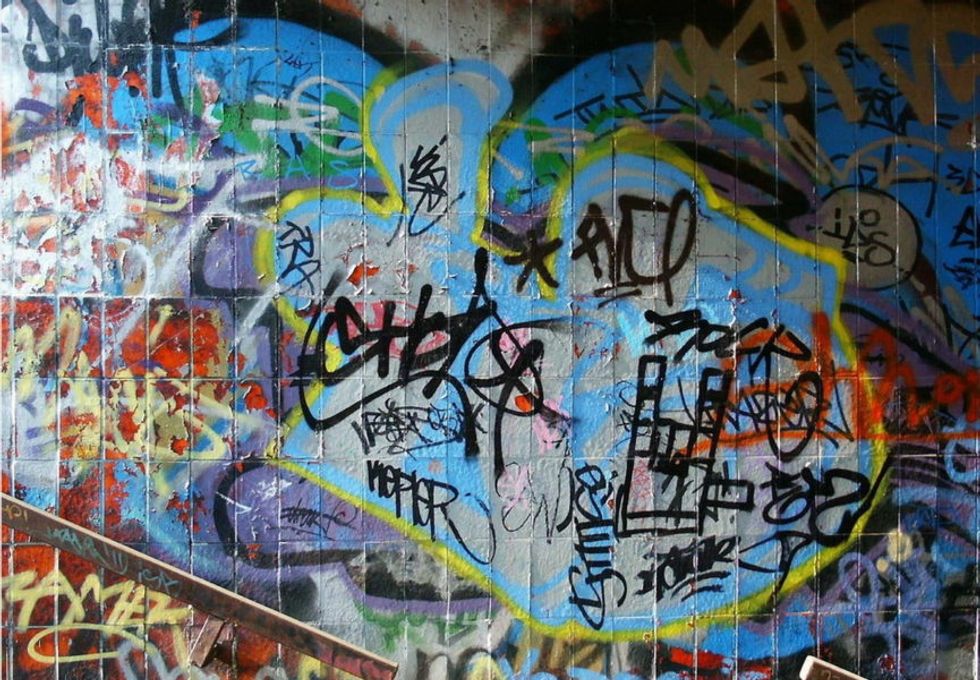 Liam Miller, of "The Conversation" newsletter, discusses the irony in how “ownership” of public spaces is viewed differently depending on the medium. Billboards constantly bombard our highways and roadways with advertisements that often center around encouraging the public to “better” themselves through commercialization. In paying for the advertisement, they are then allowed to persuade and publish whatever type of message they desire--a somewhat morally corrupt concept if you think about it. Graffiti, on the other hand, isn’t created with the intention of doing that. Oftentimes it is used to spark political or social commentary or as a way for subgroups of street artists to leave remnants of their existence. Both graffiti and advertisements privatize public space, demanding the attention of the public eye. But there is a distinct variation in how they are accepted and viewed by the public.
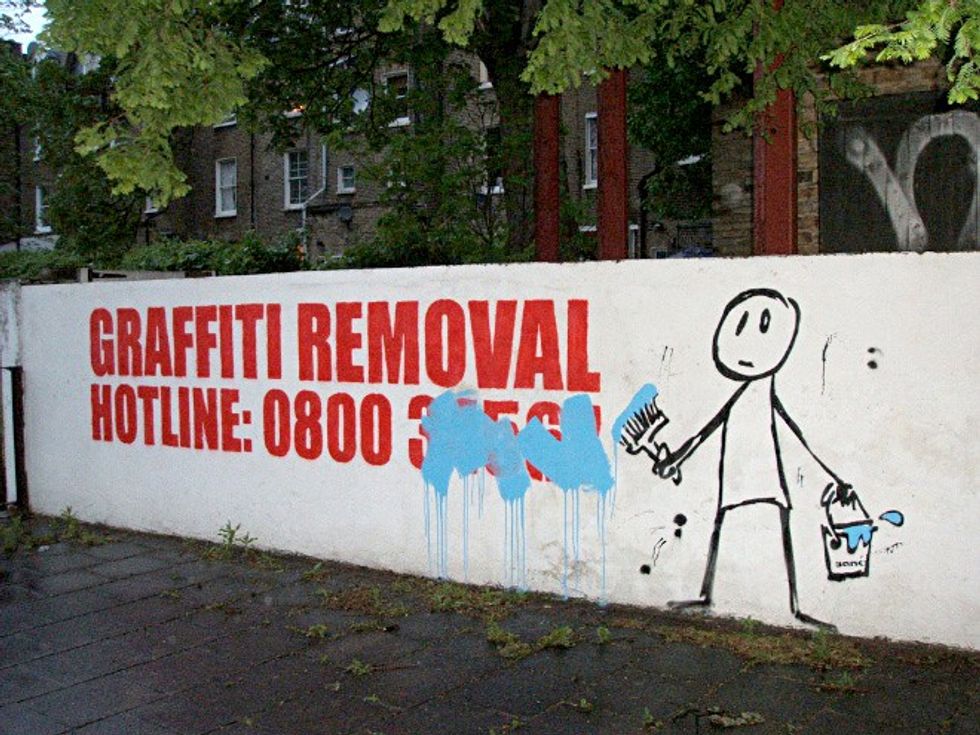
“If vandalism is abhorrent because it attempts to own public space, then advertising is vandalism," Miller writes. “Ads are placed out in the public strategically. They are built to coerce and manipulate. They affect us, whether we want them to or not...At its worst, graffiti is mildly insulting and can be aesthetically immature. But at its best, it can be the opening of a communal space: a commentary, a conversation, a concept captured in an image on a wall.”
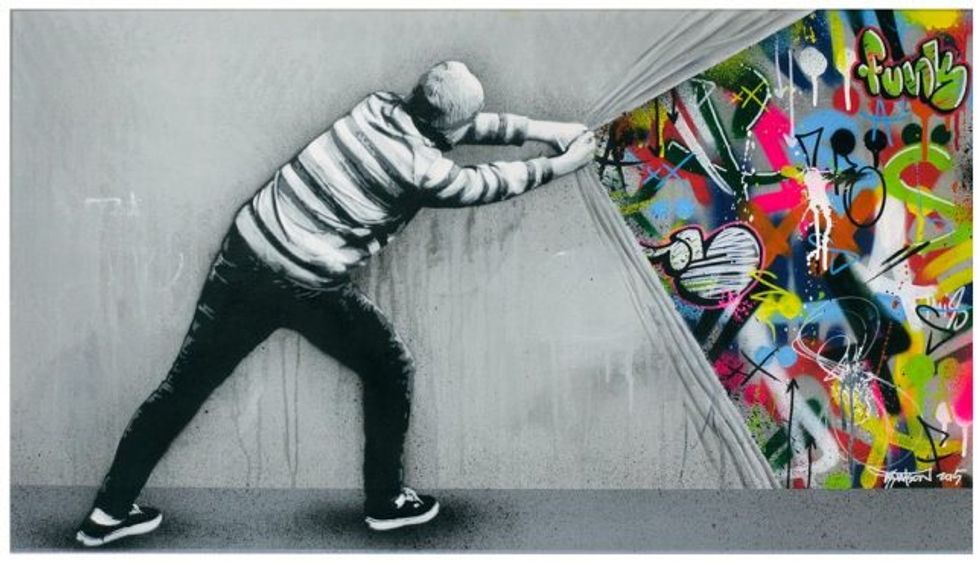
The complexity of graffiti brings up the debate of what we define as “art." When looking at some of the colorful and compelling paintings by graffiti artists, we would surely classify many as appealing artistic compositions. If art is only defined as what we see hung in a gallery or museum, we limit the entire scope of what it represents. Art is supposed to evoke emotion and force people to respond and think critically about their surroundings. Graffiti does that. It’s "hung" in the gritty, dingy, beautiful, bitter parts of the city and is created by artists that we haven't read about in textbooks or been exposed to prior.
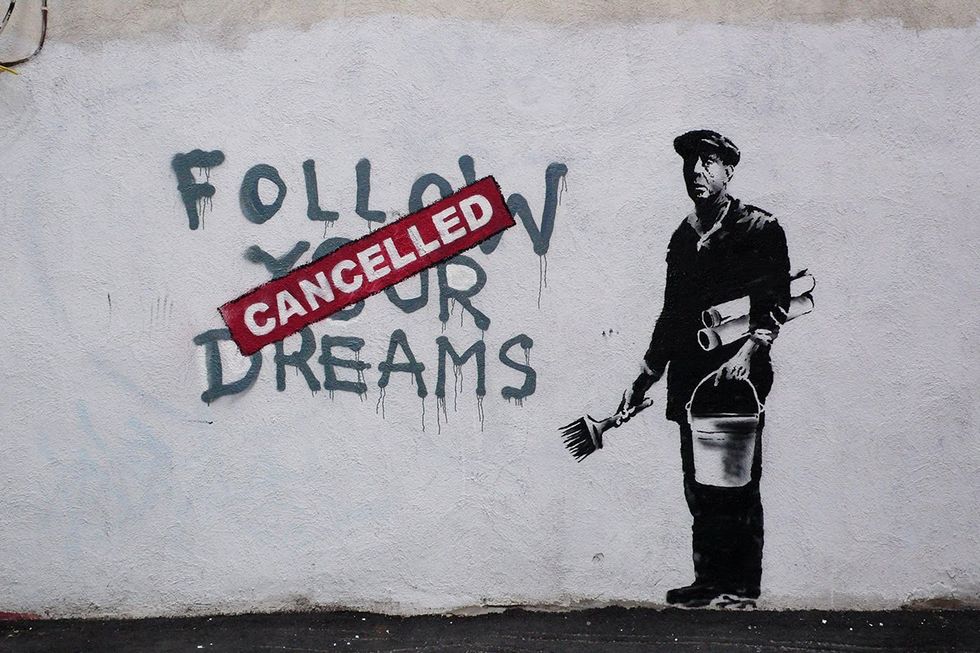
Street art forces us to acknowledge our discomfort about the distinction between “right” and “wrong” and to reevaluate their exclusiveness. Graffiti is a raw form of revolt, combining art and dissent with an uncensored and public stance. Addressing its negative connotation and stereotypes allows us to appreciate the artists themselves and the topics they strive to portray through their work. Under every messy yellow autograph or structured red symbol spray-painted on a wall is a person, a story, a subculture. So next time you see some graffiti on your way to work or walking home from the store, acknowledge that there is more than may initially meet the eye.