

We’ve all been there; that crucial moment whilst grocery shopping when, with trembling hands and sweaty palms, we find ourselves torn between two worlds— forced to make a choice between the hip, expensive organic fruits and vegetables on your left and the more inexpensive, uncool, regular or “GMO” fruits and vegetables on your right. “Would anyone even notice?” you say to yourself as you clumsily pirouette in the aisle and contemplate this great ethical dilemma. You finger the tomatoes a bit, squeeze them, hold them up in the light to better see. But your senses fail you as there is no worthwhile discernment to be made, other than that the GMO tomato does look, well, a bit more appealing. It’s a deeper red and its shape is more round and reminiscent of the Fazoli’s logo, which instantly grabs you. “It’ll be our little secret,” you whisper to the tomato as you slide it in the clear plastic bag that signifies it as non-organic. You take it home, make a pico de gallo, and are delighted to find out the tomato has great flavor, texture, consistency, and acidity. You find yourself wondering, “Just what the heck is so bad about these GMOs anyway?”
Aside from the impending apocalypse that will surely result from the 2016 presidential election, GMOs are one of the more hotly contested and debated topics occupying the world’s attention. Concerns over their safety for both humans and the environment have led to public outcry in the form of proposed legislation to either label GMOs or ban them outright. Europe has successfully passed some of the most stringent laws concerning GMOs, considered by proponents to be the hopeful first step in signaling that GMO legislation will eventually move towards a worldwide ban. But have you ever stopped to consider if they should be banned? Exponential population growth (which we are experiencing) diminishes viable farm land, and GMOs could possibly be the key to keeping up with global food production for the ever-expanding human race. They could also be the key to alleviating rampant malnutrition in developing countries. Let’s look a little deeper.
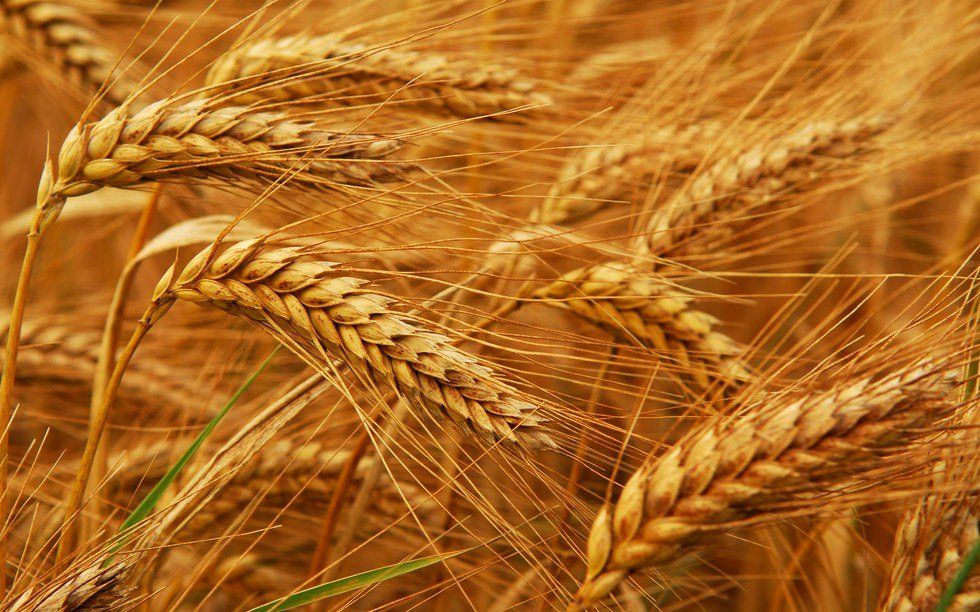
In the mid-1960’s, starvation and malnutrition was at an all-time high, and was considered a serious threat to a large portion of the world population. The problem was so severe that Norman Borlaug, an American biologist and all-around badass, came up with the solution: by cross-breeding varieties of wheat and rice and applying synthetic fertilizers and other chemical inputs, he was able to maximize output and create strains that were more resistant to drought, pests, and disease and also able to grow faster and more often. With this innovation, he inarguably changed the course of humanity and allowed impoverished nations to feed their populations and increase their quality of life. Unfortunately, the Green Revolution (as it was subsequently referred to) and the techniques utilized have tapered in effect: since the 90’s, world grain harvests have diminished almost four times. GMO crops could provide the path to increasing food production, as they require less stringent conditions to grow, but only by researching new techniques and innovations will we be able to maintain pace with demand.
Hunger is not the only issue at hand, however, as malnutrition poses an equal threat. Consider the case of golden rice- a genetically modified rice strain that provides vitamin A through beta carotene, a pigmentation that does not naturally occur in rice. Previous to golden rice’s introduction, vitamin A deficiency, which causes blindness, was prevalent in many developing countries, and particularly affected children. GMOs in this context provided a novel solution to a troubling issue and it stands to reason then that other like products could be developed to combat myriad deficiencies and diseases caused by malnutrition.
Since the Industrial Revolution, in which combustible coal was utilized to produce energy in quantities never before seen, a trend began of non-renewable resources (primarily fossil fuels) rising to meet the world’s energy demands. These fossil fuels also created the first synthetic fertilizers via petroleum. But the unfortunate byproduct of the burning of these fossil fuels was a massive influx of greenhouse gases in our atmosphere that precipitously increased the amount of UV rays as well as producing an overall increase in temperature and severe weather occurrences all around the world. Our climate has since become more erratic, with drought and desertification posing very real and prevalent threats to many of Earth’s wonderful and diverse biomes. Again, the challenge of food production presents itself- with an increasingly unpredictable climate it becomes exponentially more difficult to adequately anticipate yield. Organic crops are typically unable to resist drought and other severe weather so GMOs provide a possible solution to this conundrum.
As is the case with any innovation in human history, GMOs are met with considerable skepticism, though it’s not without warrant. GMOs have received relatively little research as to the potential health risks involved with their production and proliferation. In addition, regulation in the U.S. is severely lacking, as the FDA has surprisingly little involvement in the approval process and the bioengineering companies responsible for the technology have little opposition in placing them on the market. A parallel could be made between companies producing GMOs and the tobacco industry prior to its fall from grace, in which it was possible for them to make any claims they liked in regards to their product’s processing, production, and safety. Studies conducted in the 1960’s effectively disputed these claims and increased public awareness of the dangers of smoking. Something similar could happen to GMOs should there be any evidence of ill effects from long-term consumption.
Another concern is the potential environmental impacts GMOs have. Insect-resistant crops can have undesired and unpredictable effects on species that are not their target, a fear already coming to fruition as more studies point to insecticides as a direct contributor to colony collapse disorder. And like Einstein said, when the bees die, we die. Conversely, these crops also have the ability to increase other insect’s resistance, resulting in a need for more powerful and dangerous chemicals to be more frequently used. There is also concern about cross pollination between GMOs and weeds, resulting in a spread of weeds that are difficult to kill and remove through conventional methods. GMOs could also cross pollinate with organic crops, reducing biodiversity and potentially ruining native species.
The most troubling of the proposed drawbacks is the perceived monopoly that Monsanto Corporation possesses in the market. Around 90% of GMO products are from Monsanto, and they have patents in place to protect their interests and prevent others from unlicensed cultivation of their products. This poses a problem for a number of reasons: monopolies are detrimental to competition (a necessary mechanism for improvements and refinements) but also allow Monsanto an absurd amount of litigious power in regulating their product. In addition, with the aforementioned weak regulation, Monsanto has the ability to guide global food production, severely monetize it, and potentially create greater food shortage problems should GMOs take a stronger hold of the market.
Despite these well founded concerns, there is little chance that GMOs are going anywhere. Compromises must be made in order to ensure a steady food supply for the coming generations. The U.S. lacks regulated GMO labeling of any sort, an important step in empowering consumers to make the choice for themselves whether or not they wish to consume them. It is also necessary to decentralize the power that companies such as Monsanto have. No one company should have as much influence on food production as Monsanto possesses, and there should be some governmental collaboration to ensure that individual needs are met before the needs of Monsanto’s bottom line. Lastly, there simply needs to be more research done into the potential health risks of GMOs. Not only would this assuage these legitimate concerns, but further research could also empower and enable GMOs to truly come into their own as a viable solution to world hunger and malnutrition.
There are no simple answers on this topic, but it is important for the survival of the human race that we put aside any partisan bickering and realize that without a solution to this growing problem, humanity faces a much darker future than the one forecasted before the Green Revolution. For my part, I’ll probably keep eating the GMOs. They taste better and they’re cheaper. There’s nothing worse than going to Whole Foods and paying $60 for a loaf of bread, some fruit, a kombucha, and a Bobo’s Oat Bar. Plus, I’m sure that whatever ill effects GMOs may bring about science will surely someday develop cool new gadgets to combat. That’s progress, baby. At the end of the day, you just have to vote with your wallet. That’s the only green that matters here.