
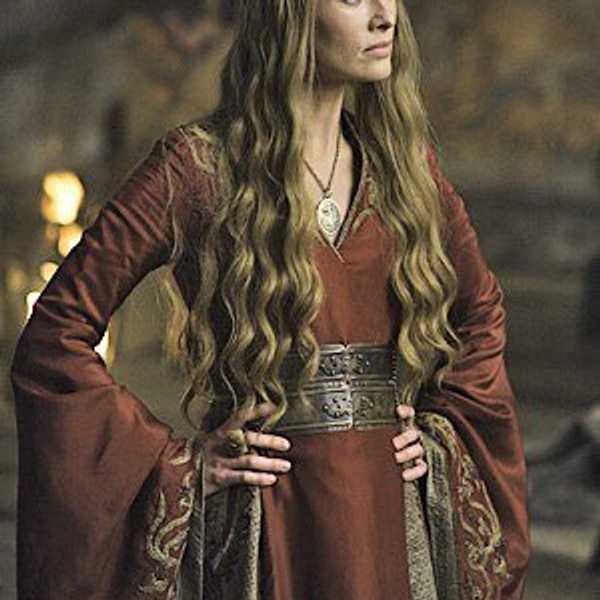

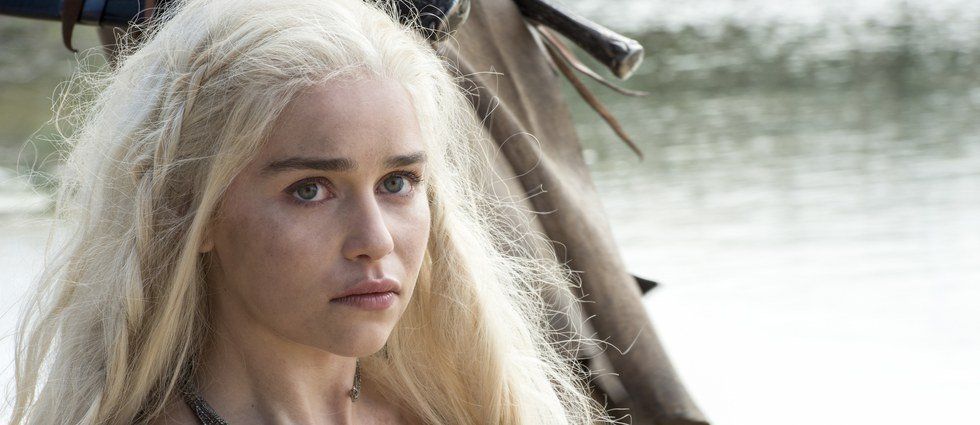
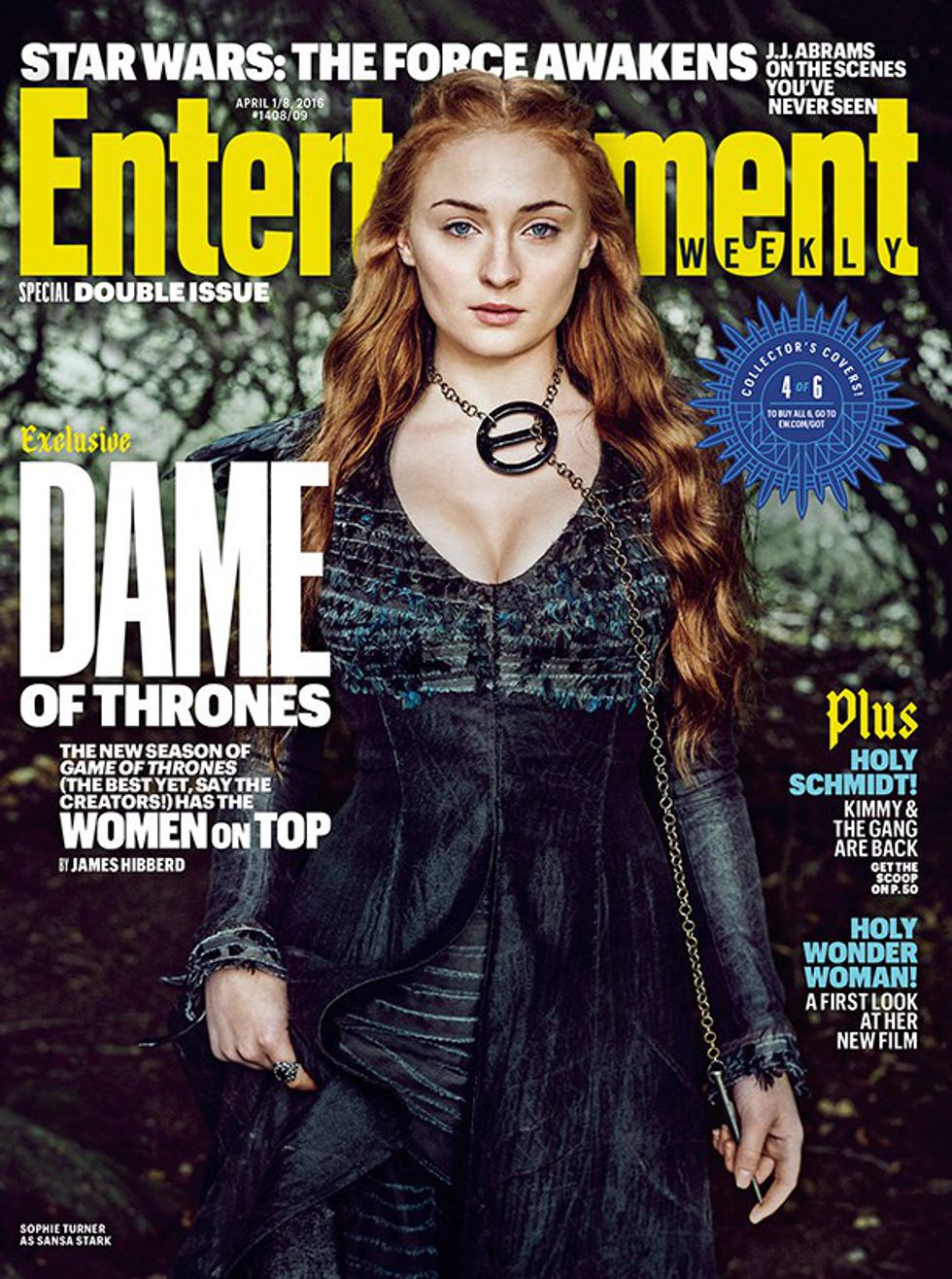
Does Game of Thrones have a woman problem? As we approach the start of Season 6 of the award winning adaptation, the promotional team seems to be angling their marketing to attempt to combat a lot of the issues that viewers and fans alike were in uproar over last season. With six of the show’s leading ladies on separate covers of the April edition of Entertainment Weekly and large printed font on the front proclaiming “The new season of Game of Thrones (the best yet says the creators) has the women on top,” it seems like times are changing. Or so the press would have us think. With words like sexism, racism, and pretty much any other “ism” you can think of being attached to the phenomenon over the last season or so, it begs the question “where can we go from here?”. Through an examination of its female characters, we can pinpoint some of the show’s biggest problems from a narrative standpoint, as well as take a look at what we know about Season 6 in attempt at guessing whether or not the times are truly changing.
Entertainment Weekly also gives an array of promo images of the women who will be “on top”. Instead of “empowering” images or even images evocative of the characters they are playing, almost each one of these actresses are sexualized and reduced down to their bodies, with gravity defying cleavage and a great big airbrush job to match. Without so much as a hint of their personalities, they become solely objectified. The photos of Sansa are particularly jolting as they come off more than suggestive. In the wake of her storyline from Season 5, one can only hope that this is not a sign evocative of what they believe is “empowerment”, and we wont see Sansa defying the confines of her character to take agency in the only way the show seems to believe women can, with their bodies. While I do think it’s a valid point of navigation within a patriarchal society, it is not the only way women can navigate and for some personalities and positions, it’s not a considerable one.
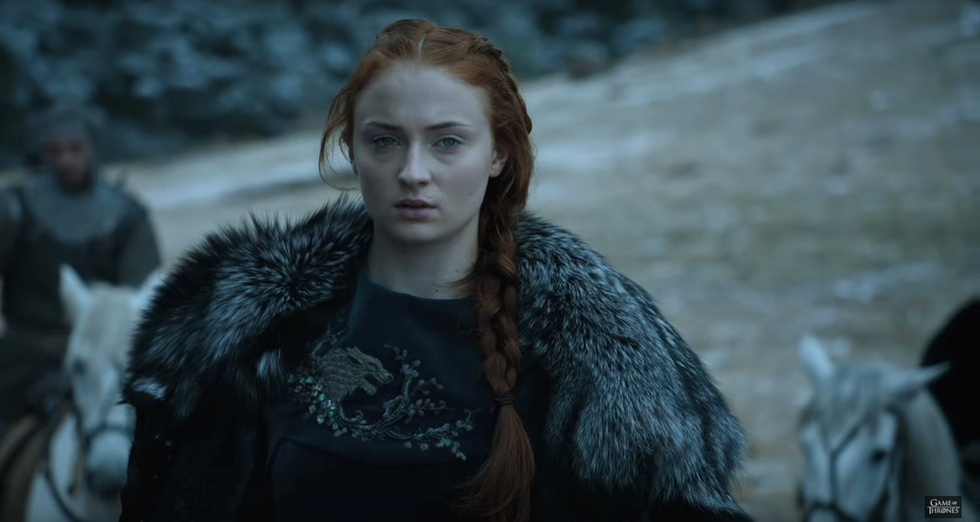
With the promotion in full swing, we are also getting many interviews with the cast, and the topic of feminism and Game of Thrones seems to be right up there in top asked questions along with “Is Jon Snow alive?” Speaking to Entertainment Weekly, Sophie Turner (Sansa Stark) said, “I think the depiction of women in Game of Thrones is a really nice depiction…I think back then women didn’t have half the power they did in the show and it’s definitely a feminist show.” Normally it’s better to take the writers and creators to task for what appears on screen, but the dialogue the actors are speaking is incredibly telling about the information they are given on set and how this world is broken down for them. Turner references “back then” as if this fantasy world of Westeros once actually existed. Of course, there are parallels to medieval times, but it is still fantasy and I think it’s important to remember that when attempting to use the argument of realism. It’s a common argument heard around the net in response to any critical examination of the show.
However, the patriarchal system set in place, which is presumably what Turner was referring to, is so often tossed around and pulled in and out of the story that the notion of plot lines being held accountable for it’s inclusion is laughable. In what medieval-esque patriarchy would they allow Olenna Redwyne to be the head of house in all matters of state? None, but Diana Rigg is a brilliant asset and they want to make good use of her. The same goes with Robb Stark’s show wife, Talisa, being a field nurse in the war. Thus, “realism” cannot possibly be a genuine excuse with this level of inconsistency. Not to mention the fact that there is no adherence to “realism” when it comes to body hair or diseases, things that are not “aesthetically pleasing” to the male gaze.
Of course, we also have Emilia Clarke’s (Daenerys Targaryen) infamous quote circulating around the web where she states “It pains me to hear people taking Thrones out of context with anti-feminist spin..because [it] ultimately shows women are not only equal, but have a lot of strength. There are women depicted as sexual tools, women who have zero rights, women who are queens but only to a man, and then there are women who are literally unstoppable and as powerful as you can possibly imagine.” As much as it pains her to hear this, despite what appears, there is no nuance or diversity amongst how the show writes for their women. From a pure writing standpoint, the female characters are in no way equal to the multiplicity of their male counterparts, and because of the patriarchal lens that hovers over the show, many of the male counterparts suffer in their development and characterization as well (i.e. Samwell Tarly and Jaime Lannister's ongoing battle with toxic masculinity).
As is the general consensus, Daenerys' storyline has been getting fairly weaker over the past few seasons and Sansa’s took a deep nose dive last season. While book-Daenerys is a complex and interesting character, coming into her own identity by learning how to be a ruler and tackle an impossible situation, show-Daenerys very much mirrors her mad brother Viserys. The whole point of the two is that they are polar opposites, but they seem more and more less so as time goes on. When Targaryen’s are born, a coin is said to be flipped to decide if it shall be mad. Viserys was, but Dany is meant to encompass everything he was not. Where she listens to her councilors and has great critical moments of thought in the face of what is truly a knot, on the show she screams a lot, delivers the “cool trailer lines” with a deadpanned look on her face and seems infantile. Without Tyrion’s advice, they make it appear as if she can’t put two thoughts together. Sansa’s storyline, of course, also impeded on any character development. She was directly taken out of her book storyline, with none of its facets making themselves known on screen, and thrust into a plot line that can barely be called an adaptation in Winterfell, as the only thing actually adapted was that Ramsay rapes his bride.
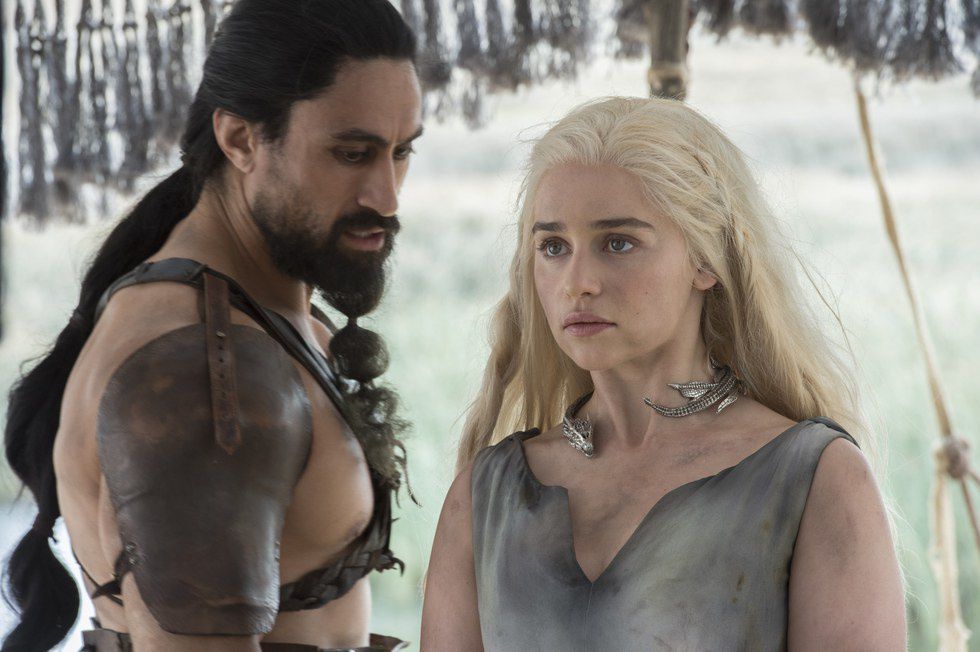
Moving forward, in the newest trailers for Season 6, we only get glimpses but what we do see is worrying. Daenerys appears to be returning to Vaes Dothrak forced by a new Khalasar and seems to be once again, the victim of assault. One can only hope that we do not wallow in it, episodes on end, until Drogon finally comes to her aid. To not give Daenerys an upper hand makes her storyline and development receptive, seeing as we saw her a captive and slave of Drogo’s Khalasar in Season 1. Sansa, however, appears to be well and in the North after escaping Ramsay’s hunting party, but it seems as if they are going to use the “rape equals empowerment” trope which is incredibly harmful.
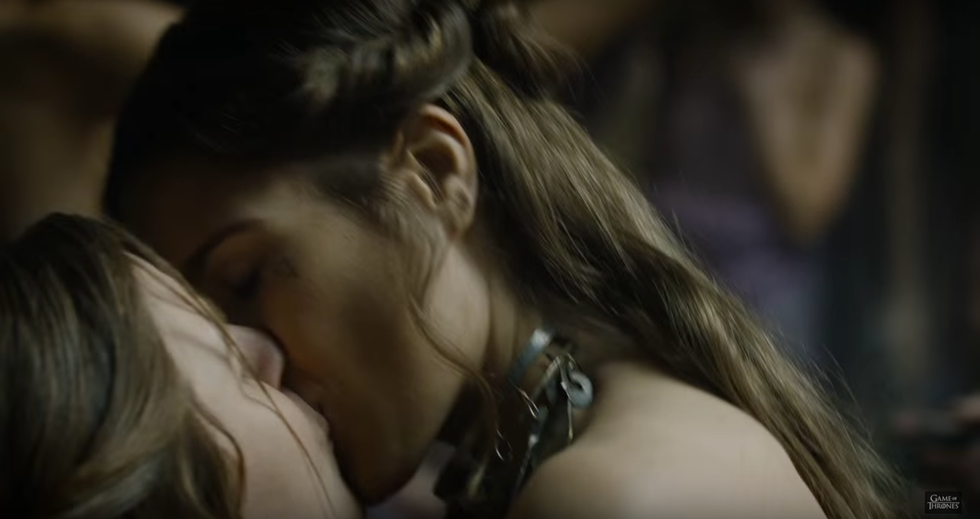
One other big female character, that has been missing from our screens makes an appearance in the trailer. That is the character of Yara (or Asha for all you book snobs) Greyjoy. We see a glimpse of her at the Iron Islands and also, presumably, making out with a female sex slave somewhere else. As someone who identifies as bisexual and is all for LGBTQ+ representation, I would normally be jumping for joy at the thought of one of my favorite characters being a lesbian. However, what they appear to be doing with this change is worrying. It looks like they might be combining her plot line with that of one of her uncles, one of the most toxic representations of masculinity, and with that comes rape. The woman she is kissing in the trailer has the marks of a sex slave with her tear drop tattoo and collar, and thus, whatever they do together, it is technically not consensual. Yara, who is actually an incredibly interesting and strong female character working within the patriarchal system to gain her birthright, ends up being one of the few examples of female sexual agency in the books. To turn her into this, and have that be the show's only representation of lesbianism, is off-putting.
Whilst one can only hope for change as we move forward, it is not looking great. The women don’t appear to be “on top” in any matter, except for the notion that they might have more screen time and be thrown a faux-empowerment line or two. Also to be noted, show runners and Executive Producers David Benioff and D.B. Weiss said in a recent interview that they did not take in one word of the criticism. “I can literally say that not one word of the scripts this season have been changed in any way, shape or form by what people said on the Internet, or elsewhere,” Weiss said. This mindset is very upsetting, seeing as taking in constructive feedback and criticism is part of any creative medium. The notion that not doing so is something to be proud of is rather perturbing. As we prepare for the new season, the first one to delve this far off the books, we must wait with baited breath to find out what truly becomes of our favorite female characters, and hope that these presumptions are wrong and they find the room and time this season to develop as they should have been doing all along.

















